 Jeffrey S. Kelly Group PLLC (Real Estate)
Executive Summary
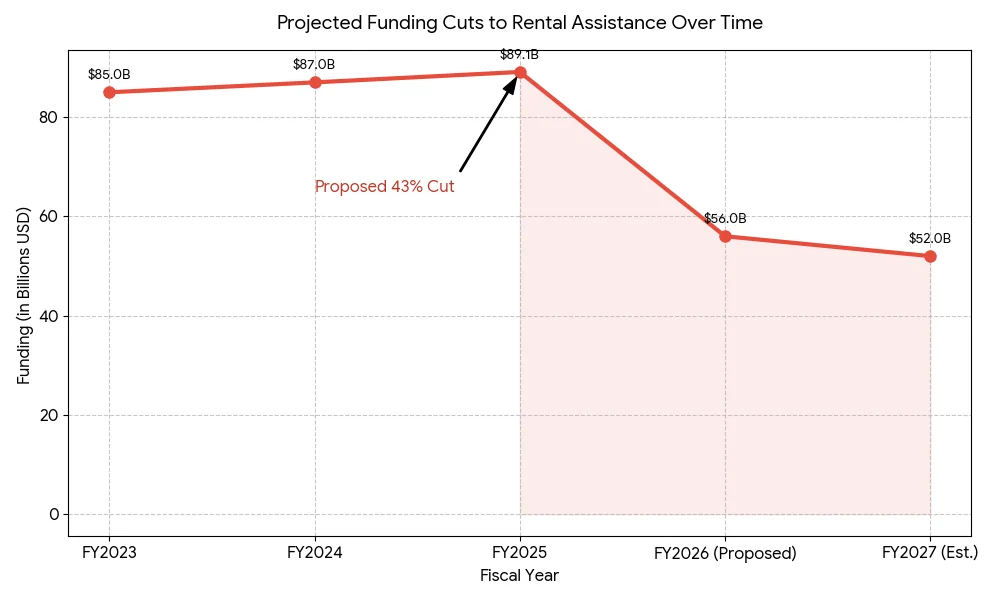
The administration of Trump is has been coming up with extensive modifications in the section 8 housing support which might impact more than 3 million Americans including 1.7 million children. The key changes? Reductions of up to 43 percent of the total sums disbursed, the transfer of some authority to the individual states via block grants and the establishment of two-year time restrictions on the assistance to be given to able-bodied adults.
Although those who support these reforms claim that they render people more self-sufficient and focus on U.S. citizens, opponents also state that in the future, such programs may result in mass evictions and a rise in homelessness. The work demands of 40 hours per week and limitations on mixed-status families are also included in the proposals. As the current number of households that receive aid has only been 25 percent of the eligible households and the needy waitlists are reportedly stretching by the years, these modifications can transform the safety net of millions of working households that cannot afford a home.
When Rent Eats Half Your Paycheck
Have you ever wondered why a family with a very low income of $30,000 a year can afford rent in the modern market? I have been reporting on the housing policy over the last ten years and this is what I continue to observe: in most American cities even full-time minimum wage earners are unable to afford basic housing. In that place, however, comes the Section 8 – or at least, where it is supposed to.
But now? Trump Section 8 reforms could completely change the game.
Section 8, commonly referred to as the Housing Choice Voucher program assists approximately 5 million individuals in filling the gap between their income and the prices charged by landlords. Consider it in the following way: suppose you have a family of the income of 2,500 every month and have to pay rent of 1,800, then all that exceeds 30 percent of your earnings is paid by Section 8. Simple math, right?
Well, probably not very long any more.
What Trump’s Proposing (And It’s Big)
This is where the interest comes in. The Trump Section 8 rewrite is not about making a few minor changes at the margins – we are talking about a total overhaul.
The Block Grant Switch
First, privatizing everything to state by block grants. Rather than having federal oversight, the states would receive a lump sum to run their own programs. Makes sense until you go deeper. The block grants previously receive fewer funding over the years. And consider 50 various Section 8 programs with 50 rules. Coming to California with your voucher out of Texas? And may the Devil help you in that maze.
The Two-Year Clock
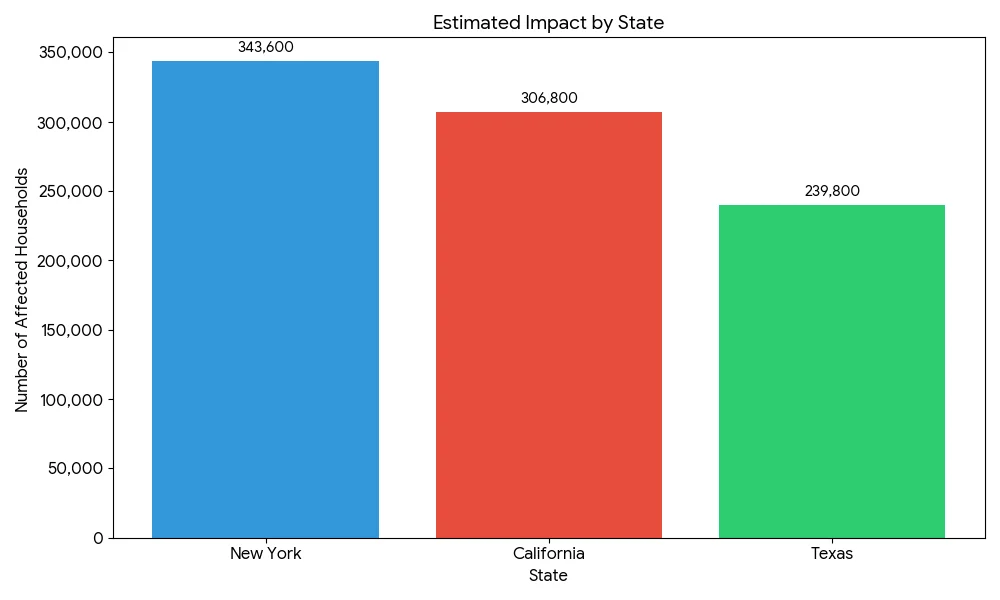
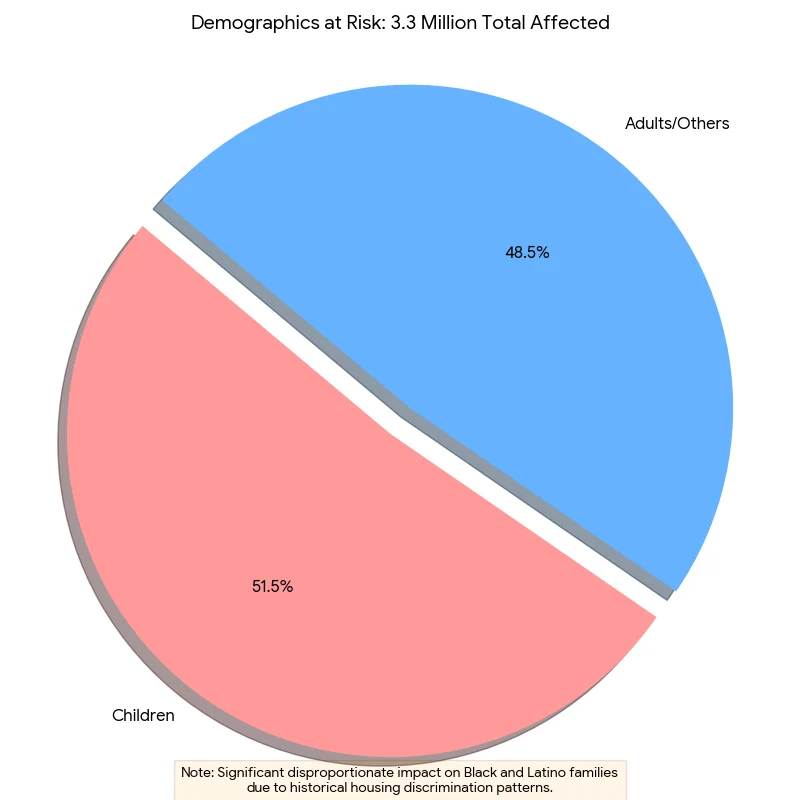
This one’s the real kicker. Able-bodied adults between 18-61 would face a two-year limit on assistance. Exceptions exist for elderly, disabled, pregnant women or primary caregivers of young kids. But here’s what caught my attention in the data: about 3.3 million people could lose aid immediately if this were implemented tomorrow.
That includes 1.7 million children. Kids who didn’t choose their family’s economic situation but would face potential homelessness anyway.
Work Requirements Get Serious
Remember those community service requirements that already exist? Trump’s version cranks them up to 40 hours weekly. Job training counts, but we’re basically talking full-time work or training to keep your housing assistance.
Who Gets Hit Hardest?
Let’s talk numbers that matter. About 60% of affected households are working families. These aren’t people sitting around doing nothing – they’re often juggling multiple part-time jobs, dealing with unpredictable schedules or caring for family members.
A New York University study tracking nearly 5 million households over a decade found something crucial: 70% of non-elderly, non-disabled adults used subsidies for two or more years. Why? Because minimum wage jobs don’t pay enough for market-rate housing in most places.
I spoke with housing advocates who’ve seen this before in smaller pilots. Time limits don’t magically create better-paying jobs or cheaper apartments. They just push people into “doubling up” – cramming multiple families into single units or sleeping in cars.
The Kids Factor
Here, children are especially harmed. Unstable housing refers to a change of schools in the middle of the year, behavioral problems due to the stress and long-term effects on the ability to earn money. The irony? Research indicates that children in stable and low-poverty housing under Section 8 tend to attend college and make more money in adulthood.
Thus we may be saving money in the short-term and causing larger costs in the future.
The Case For and Against
Why Supporters Like It
HUD Secretary Scott Turner calls these reforms a “hand-up, not a handout.” The thinking? Two years should be enough to get on your feet. Work requirements encourage employment. Block grants let states innovate without federal red tape.
There’s also the citizenship angle – prioritizing aid for American citizens over mixed-status families where some members are undocumented.
From a fiscal standpoint, cutting $26.7-33 billion from housing programs frees up money for other priorities. States might run things more efficiently than federal bureaucrats.
Why Critics Are Worried
Here’s where things get messy. Work requirements sound great in theory, but evidence from SNAP programs suggests they often just reduce participation without boosting employment. Administrative costs eat up resources without clear benefits.
Rural areas could get hammered especially hard. Lower tax bases mean less state funding to make up federal cuts. Landlords might bail from the program entirely if it becomes too complicated or unstable.
And then there’s the basic math problem: even working 40 hours at minimum wage doesn’t cover rent in most markets. You can require work all you want, but if jobs don’t pay enough…
Implementation Reality Check
Congress hasn’t signed off on these massive cuts yet. Senate pushback is likely, especially from states with large Section 8 populations.
But HUD’s already moving on some fronts. Rules allowing local work requirements and mixed-status family restrictions are advancing. The Moving to Work program expanded during Trump’s first term to test these policies in up to 100 agencies.
Most who tried time limits? They abandoned them. Too expensive to administer, minimal employment gains, lots of families losing housing.
What Happens Next?
The Trump Section 8 changes face an uphill battle in Congress. Deep cuts rarely survive intact, even with Republican control. But incremental changes – work requirements, time limits in select areas – might slip through.
States would need time to build new systems if block grants pass. That transition period? Perfect recipe for bureaucratic chaos and people falling through cracks.
Meanwhile, housing costs keep rising faster than wages. The fundamental math problem isn’t going away just because we change who administers the programs.
Bottom Line
Gez, housing policy is a complex thing. It raises a valid argument that it is dependency or self-sufficiency, that it is federal or state control and the best way to assist the families become stable.
Yet here this is what I revert to again and again, that in Section 8 there are already 25% of the eligible households covered. There are years-long waiting lists. The majority of beneficiaries are the disabled, working or elderly. And we are already at the middle of a homelessness crisis that is merely worsening.
Reducing aid to more than 3 million individuals including half of them children appears to be the very last moment to take a risk on massive changes.
What can you do? Get in touch with your representatives. Explain to them what the housing security is about your community. Since, whether you are a renter and fear losing your place or a homeowner fearing the stability of your community, such changes will be felt everywhere.
Stay informed. Housing is not a matter to attract headlines as other problems, yet housing impacts all of these features, including education, health, economic mobility and community safety. The American housing policy will be determined by the choices of the coming few months.
And keep in mind: there is a family behind each statistic; they are only trying to have a roof over their heads. That’s worth fighting for.