 Dominique ( Personal Injury )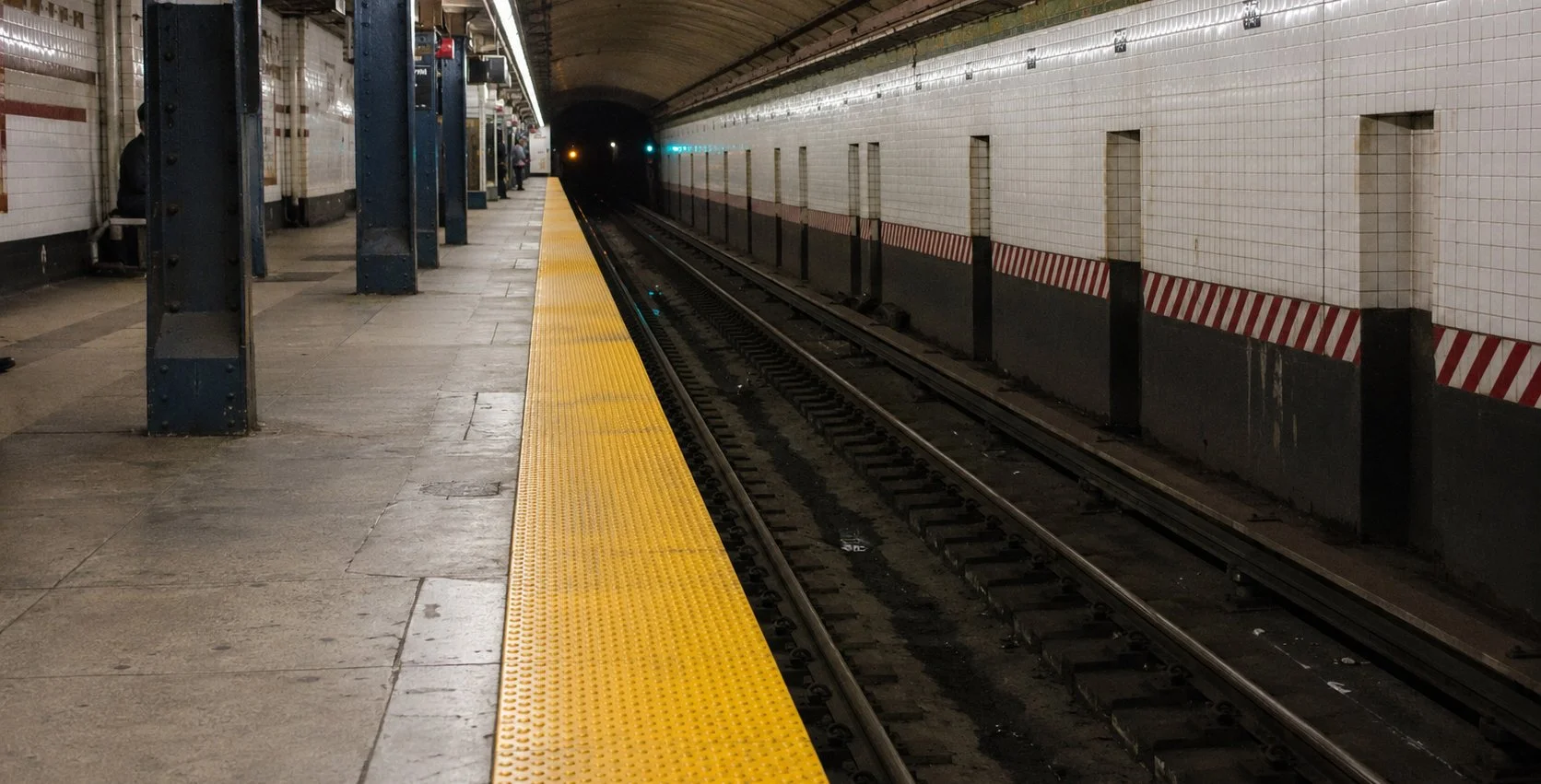
Luisa Janssen Harger Da Silva had been visiting New York for the first time when it happened. She was 21, studying architecture back home in Brazil, standing on the platform at Atlantic Avenue-Barclays Center with her boyfriend and she fainted. Fell off the platform. An oncoming train ran over her left arm and her left leg.
Both severed.
She survived and spent the next stretch of her life in hospitals and rehabilitation centres learning to walk on a prosthetic leg and use a prosthetic arm at an age when the hardest thing most people her age were dealing with was a final year thesis.
The Agency Knew People Were Falling and Had the Data to Prove It
Her lawyers did not argue that the MTA should have stopped her from fainting. Nobody can prevent that. What they argued was that the agency had been collecting data on platform falls for over 15 years and the data showed a clear pattern of passengers ending up on the tracks at stations across the system and despite having that information the MTA had not installed barriers or padding or anything that would have reduced what happened to Luisa from a double amputation to maybe a broken arm or a concussion or bruises.
- No barriers between the standing area and the platform edge at Atlantic Avenue-Barclays Center.
- No padding or safety surfaces on the trackbed below.
- Fifteen years of internal incident data that documented exactly this kind of fall happening regularly.
The MTA’s position was that her fainting caused the injuries, not anything the agency did or failed to do. They also argued that retrofitting the system with platform barriers was not economically feasible. And they spent nine years making that argument.
Brooklyn Federal Court, 2025: $81.7 Million
A jury in the Eastern District of New York returned the verdict and it covered past and future medical costs, lost income, pain and suffering and the reality that Luisa is going to be living with two prosthetic limbs for the rest of her life. She had been 21 when it happened and was 30 by the time a jury heard her case, which is a long time to wait for an answer when the question is whether the agency that runs the subway bears any responsibility for what happened to you inside it.
There is an old Anglo-Saxon idea that runs through English common law and it has stayed alive in courtrooms for a reason, that the measure of justice is not whether it works for the strong but whether it still holds when the person asking for it has nothing behind them except what actually happened. Luisa had no political connections in New York, no institutional support, no leverage. She had the facts of her case and a legal team that was willing to stay with it for almost a decade against an agency that employs thousands and can litigate indefinitely if it chooses to.
Mr. JJ Hill, founding partner at Shulman & Hill New York personal injury law firm, said that justice really was delivered in this case. He has handled claims against government entities in New York himself and he knows how difficult they are because the institutional resources on the other side are essentially unlimited and a lot of people who have valid claims against the MTA end up settling for less than what the case is worth because they simply cannot afford to wait that long for a trial.
Suing the MTA in New York Is a Different Kind of Fight
If you get hurt on MTA property the rules for filing a claim are not the same as suing a private company or an individual.
The 90-day Notice of Claim
New York requires a written Notice of Claim filed within 90 days of the incident before you can even think about a lawsuit against a government agency. Name, date, location, what happened, what injuries you sustained. Miss that 90-day window and in most situations your claim dies right there regardless of how strong it was.
Ninety days is not long when someone is in the hospital or learning how to use a prosthetic arm.
The one-year-and-90-day lawsuit deadline
After the Notice of Claim the actual lawsuit has to be filed within one year and 90 days of the incident. Compare that to the standard personal injury deadline in New York which gives you three years. Government claims get a shorter window and the Notice of Claim requirement that comes before it is what actually trips people up because three months goes by fast when you are still in acute care.
The MTA does not settle easily
They have in-house lawyers, they retain outside firms and their approach in most cases is to contest everything, challenge liability, dispute the damages, extend the timeline and wait. That is not unique to the MTA, most large institutional defendants do the same thing, but the MTA does it at a scale that makes it one of the hardest defendants to take to verdict in the state. Luisa’s case lasting nine years from injury to jury is unusual but it is not unheard of for MTA litigation.
Platform Barriers Exist in Seoul, Tokyo and London. New York Still Does Not Have Them.
The MTA announced new fare gates at Atlantic Avenue-Barclays Center in late 2024. Fare gates. Not platform barriers. Whether the agency has any plans to address the fall-risk data that came out during Luisa’s trial is something they have not said publicly.
Platform edge doors, the kind that run along the Jubilee line in London and across most of the Seoul and Tokyo metro systems, would prevent falls onto the tracks almost entirely. The MTA has studied the concept. The cost of putting them into 472 stations has been estimated in the billions and the engineering challenges in a system that runs different train models with different door positions on the same tracks are real.
But after a jury has said $81.7 million worth of “you knew about this and did nothing,” the conversation about whether platform barriers are feasible has to be different from the conversation that was happening before that verdict existed.