 Mohammad Abdel-Rahman Accident & Injury Lawyer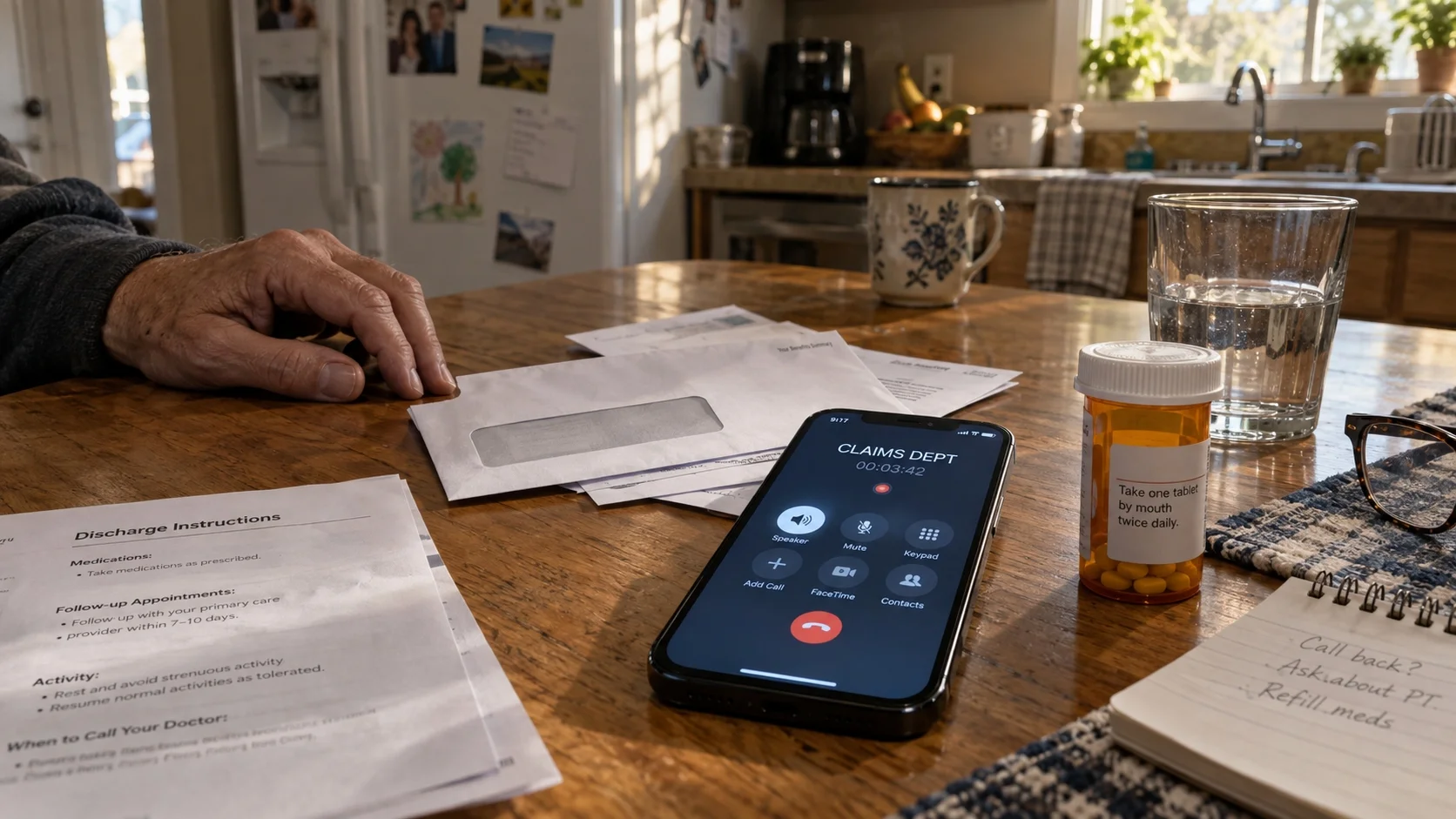
The call comes within 48 hours. Sometimes sooner. The adjuster on the other end sounds helpful, sounds like they are on your side, and they ask if you would mind giving a quick recorded statement so they can “get your side of the story” and “move the claim forward.”
Most people say yes.
“Most people don’t even realize how important it is to act promptly and take appropriate measures during the first days,” Tom A Killoren, a lawyer at KD Trial Lawyers, says. “The choices you make in those first moments will impact every aspect of your case through to the conclusion.”
That recorded statement is the first choice most injury victims make. And for a lot of them it is the worst one, because they did not know they could say no.
There Is No Law That Says You Have to Give One
No state statute. No federal regulation. No provision in any insurance code anywhere in the country that compels you to sit on the phone with the other driver’s insurance adjuster and answer questions into a recording device. It is a voluntary act. Completely voluntary. And the adjuster already knows that but they are not going to tell you because your cooperation benefits their file, not yours.
- You are required to report the accident to your own insurance company. That is in your policy contract, usually under a cooperation clause, and yes you should do that.
- You are not required to give any statement, recorded or otherwise, to the other driver’s insurer. They are a third party. You owe them nothing. They have no contractual relationship with you and no legal mechanism to force you to speak.
The adjuster may tell you that refusing to cooperate will delay your claim or that they cannot process anything without your statement. That is pressure, not law. They can process the claim using the police report, the medical records, the physical evidence from the scene, and whatever their own insured told them. Your voice on a recording is not required for any of that.
What the Adjuster Is Actually Doing During That Call
The tone is conversational. The questions sound casual. “Can you walk me through what happened?” “How are you feeling today?” “Were you able to go back to work this week?” Friendly, concerned, like a person who genuinely wants to help sort things out.
Every answer is being recorded and transcribed and filed in a claims folder that exists to build the insurer’s case for paying you as little as possible. That is not cynicism, it is the job description. The adjuster’s employer profits when claims cost less. The adjuster is evaluated, at least in part, on how effectively they manage claim costs. The recorded statement is one of the most effective tools they have for doing that.
“I didn’t see the other car until the last second” becomes evidence of inattention. Written into the file as a factor supporting comparative fault.
“I feel okay, just a little sore” becomes evidence that the injuries were minor. Pulled out six months later when you are asking for compensation for a herniated disc that did not show up on imaging until week three.
“I think I was going about 40” gets compared to the posted speed limit. If the limit was 35, you just admitted to speeding. On tape. In your own words.
The adjuster did not trick you into saying any of those things. You said them voluntarily because you thought you were having a conversation when you were actually being deposed without a lawyer present.
Your Own Insurer Is Different but Still Be Careful
Your own insurance company has a cooperation clause in your policy that generally requires you to assist with their investigation. That does include providing information about what happened. It does not necessarily mean you have to give a formal recorded statement on demand the same day they call.
You can ask to schedule it for a later date when you are feeling better and have had time to collect your thoughts. You can have an attorney present during the statement. You can submit a written account instead of a recorded one, though some policies may push back on this.
The key difference is that your own insurer has a contractual duty to act in good faith toward you. The other driver’s insurer does not. They owe you nothing and they are not pretending to be your advocate even though the person on the phone sounds exactly like one.
What Happens to the Recording After You Give It
It goes into the claims file permanently. It does not expire. It does not get deleted after 30 days. It sits there for the life of the claim and it gets reviewed by everyone involved in evaluating what to pay you.
If the case goes to litigation the recorded statement can be used during depositions to challenge your testimony. “You told our adjuster on March 12th that you felt okay and just had some soreness. Now you are testifying that you had debilitating pain from day one. Which version is accurate?” That is a credibility attack built entirely from your own words on a recording you did not have to give.
And because early statements are made before the full scope of injuries is known, before MRIs and specialist consultations and the weeks of physical therapy that eventually reveal the real extent of the damage, the early statement almost always undersells the injury. Not because you were lying. Because you genuinely did not know yet how bad it was. But the recording does not have a footnote that says “this person had not been fully diagnosed when they made these statements.” The recording just says what it says and the adjuster uses it as the baseline against which everything that comes later gets measured.
Saying No Is Simple
“Thank you for calling. I am not going to give a recorded statement at this time. I am still receiving medical treatment and I have not had an opportunity to review my situation with an attorney. Please direct any further communication to my attorney once I have retained one.”
That is it. Polite, clear, done. The adjuster may push back. They may say it will delay the process. They may imply that refusing looks suspicious. None of that changes the fact that you have the legal right to decline and that declining protects your interests in ways that cooperating almost never does.
If the situation is weighing on you and you are not sure what to do next or whether the adjuster is asking for something you actually have to provide, talking to a personal injury attorney before making any decisions about statements or paperwork or settlement offers is the single most protective thing you can do in the first week after an accident. Most consultations are free and most personal injury attorneys work on contingency, meaning the financial barrier to getting advice is essentially zero.