 Mason (Driving Law Expert)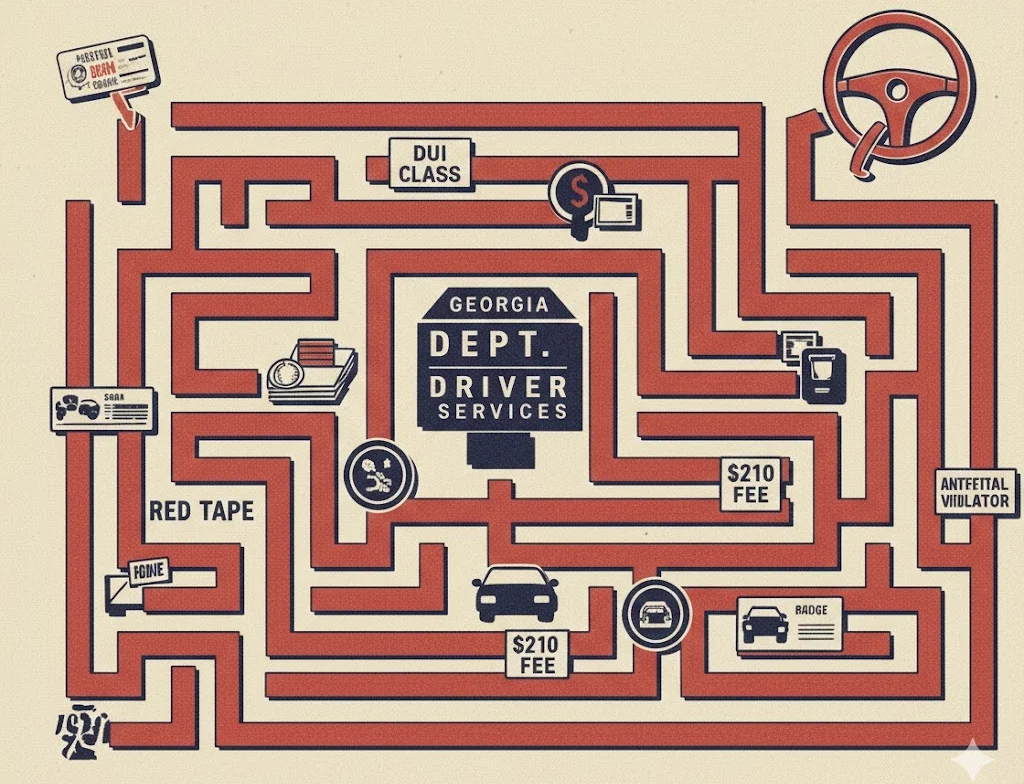
Picture this: Your friend just called, panicking about their DUI case. They keep asking about “section-40-5-63” – something their lawyer mentioned but didn’t fully explain. What exactly does this law mean for their driving future?
Georgia Code § 40-5-63 is the backbone of the state’s driver’s license suspension system for serious traffic offenses. This law doesn’t just slap a generic penalty on everyone – it’s actually a complex, tiered system that gets tougher with repeat offenses. Understanding how it works can save you from nasty surprises down the road.
Important Note: This article provides educational information only and should not be considered legal advice. Always consult with a qualified attorney for specific legal guidance regarding your situation.
What the Code Covers
Section-40-5-63 operates like an automatic trigger. Get convicted of certain serious offenses, and your license suspension kicks in immediately – no separate hearing required.
The law primarily targets two categories:
- DUI violations under Georgia Code § 40-6-391.
- Serious traffic felonies listed in § 40-5-54 (think hit-and-run, vehicular homicide).
Here’s where it gets interesting: drug-related DUIs get bumped to a different section entirely – § 40-5-75. Even if everything happened in one incident, each charge gets treated separately for suspension purposes.
According to Georgia’s Department of Driver Services, this law works alongside administrative license suspensions, which can happen before you’re even convicted.
Suspension Details
The penalties escalate based on a five-year lookback window – but here’s the twist most people miss. Georgia measures this from arrest dates, not conviction dates. So that DUI from 2020 that didn’t resolve until 2022? Still counts as a 2020 offense.
| Offense Level | Lookback Period | Suspension Duration | Early Reinstatement | Key Requirements |
|---|---|---|---|---|
| First DUI | 5 years | 12 months | After 120 days | DUI Risk Reduction Program + $200-210 fee |
| Second DUI | 5 years | 3 years | After 18 months | Program + ignition interlock + fee |
| Third DUI | 5 years | 5 years (habitual violator) | After 2 years (limited) | Full revocation process |
| Vehicular Homicide | N/A | 3 years | None | No limited permits allowed |
The nolo contendere (no-contest plea) rules add another layer of complexity. For adults 21 and older, your first nolo plea to a DUI still counts toward future escalating penalties – a change that defense attorneys have criticized as eliminating a key plea bargaining tool.
Reinstatement Process
Getting your license back isn’t just about waiting out the clock. Here’s what you’ll typically need:
Step 1: Complete Required Programs
- DUI Risk Reduction Program (for DUI cases).
- Defensive driving course (for some § 40-5-54 offenses).
Step 2: Pay Restoration Fees
- $210 for in-person processing.
- $200 for mail processing.
Step 3: Additional Requirements
- Possible driving test (at DDS discretion).
- Ignition interlock device for second DUI offenses.
- Proof of financial responsibility (insurance).
The Georgia Governor’s Office of Highway Safety emphasizes that some requirements can’t be waived, particularly for repeat offenders.
Historical Changes and Debates
This law has been tweaked almost annually since 2001 – unusual for traffic statutes. The constant amendments reflect an ongoing legislative battle to close loopholes as they’re discovered.
Key changes include:
- 2006: Added ignition interlock requirements.
- 2011-2016: Multiple refinements to nolo plea treatments and lookback periods.
- 2019: Clarified reinstatement documentation requirements.
Legal discussions on Quora show ongoing confusion about nolo pleas, particularly for drivers aged 18-20 – a gap in the statute that likely generates more litigation than necessary.
Some Reddit threads from actual DUI defendants reveal frustration with the “order received” processing rule. If you get multiple charges from one incident, whichever case DDS processes first becomes your “first” offense for penalty purposes – regardless of the actual timeline.
Understanding the Trends
Based on Georgia Department of Public Safety data, DUI arrests have fluctuated significantly over recent years:
DUI Arrest Trends (2019-2022):
- 2019: ~18,200 arrests
- 2020: ~14,500 arrests (pandemic impact)
- 2021: ~16,800 arrests
- 2022: ~15,900 arrests
This bar chart would show the pandemic’s clear impact on enforcement patterns, followed by a gradual return toward pre-2020 levels. The data suggests that while overall arrests decreased, conviction rates and subsequent license suspensions under section-40-5-63 remain significant factors for Georgia drivers.
Suspension Duration Comparison: A visual comparison of suspension lengths shows the dramatic escalation from first to third offenses – jumping from 12 months to potentially 5 years. Vehicular homicide cases sit at a flat 3 years with no early release options.
Key Takeaways
Section-40-5-63 represents Georgia’s commitment to keeping impaired and reckless drivers off the road through escalating consequences. The system rewards first-time offenders who complete rehabilitation programs with early reinstatement opportunities, while imposing increasingly harsh penalties on repeat violators.
If you’re facing charges covered by this statute:
- Understand that nolo pleas may not protect you from future penalties.
- Plan for the full suspension period, not just minimum requirements.
- Consider how this interacts with administrative suspensions.
- Budget for required programs and fees beyond just court costs.
Remember: Georgia DDS processes these suspensions automatically upon conviction. There’s no separate hearing to contest the suspension under this section – your recourse is in the underlying criminal case.
The law continues evolving. What works as a defense strategy today might not work next year, which is why professional legal counsel remains essential for anyone navigating these waters.