 Christopher Morgan (Bankruptcy & Finance)
Client walks into my office not literally, this was a Zoom call and says he’d been using a fintech platform called Coyyn.com to manage some digital assets. Smart guy. Ran his own small business. He had no idea what regulatory framework, if any, sat behind what he was doing.
That conversation stuck with me.
Coyyn.com Digital Banking presents itself as an educational and informational hub around digital finance banking, crypto, venture capital, the gig economy. It’s got tools layered in there too: AI automation, real-time analytics, smart contract support, multi-currency management. Whether it’s primarily a content platform or an active financial tool seems to depend on which page you land on. That ambiguity? Legally, it matters more than most users realize.
This piece breaks it down. From a lawyer’s chair.
What Coyyn.com Actually Is — And What It Isn’t
Start here because this distinction does real legal work.
Coyyn.com does not claim to hold a banking license. It doesn’t offer FDIC-insured accounts. It explicitly disclaims providing financial advice and notes that users are responsible for their own regulatory compliance depending on jurisdiction. That’s standard boilerplate but boilerplate with teeth if you ignore it.
Embed an image of Coyyn.com’s disclaimer page or a representative fintech terms-of-service interface sourced from a .gov consumer protection resource ideally from consumer.ftc.gov positioned here to visually anchor the regulatory context for readers.
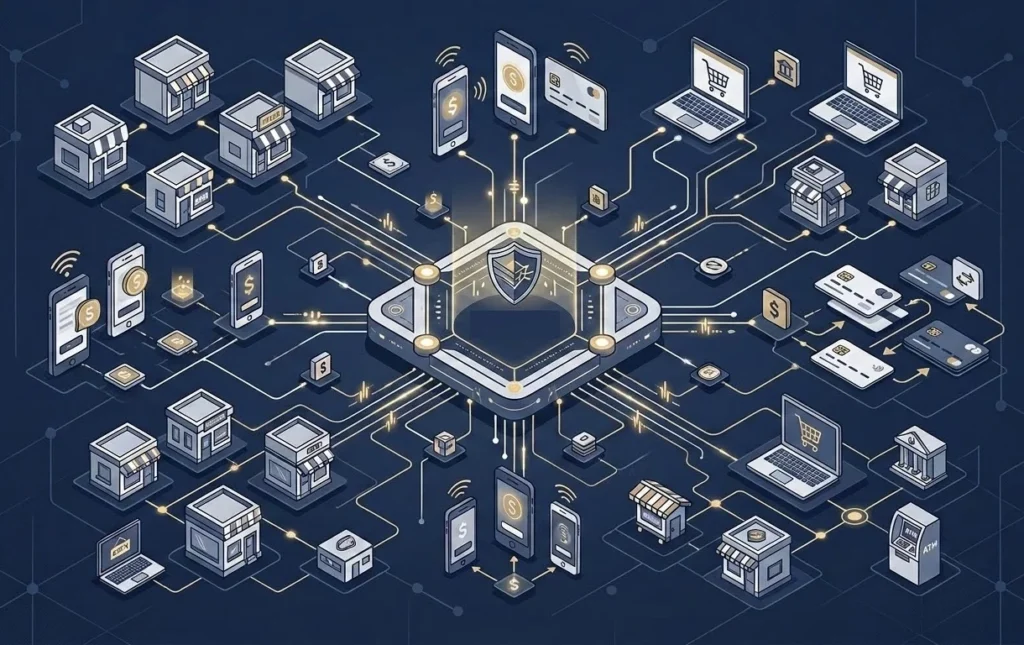
What the platform does offer if we take its tools at face value falls closer to the “nonbank” or fintech-adjacent category. Think payment facilitation, digital asset management, smart contract interfaces. It’s targeting entrepreneurs, freelancers, startups. People who live in the digital economy and don’t necessarily have a CFO on speed dial.
That’s the user base. And that’s also why the legal literacy gap here can be genuinely costly.
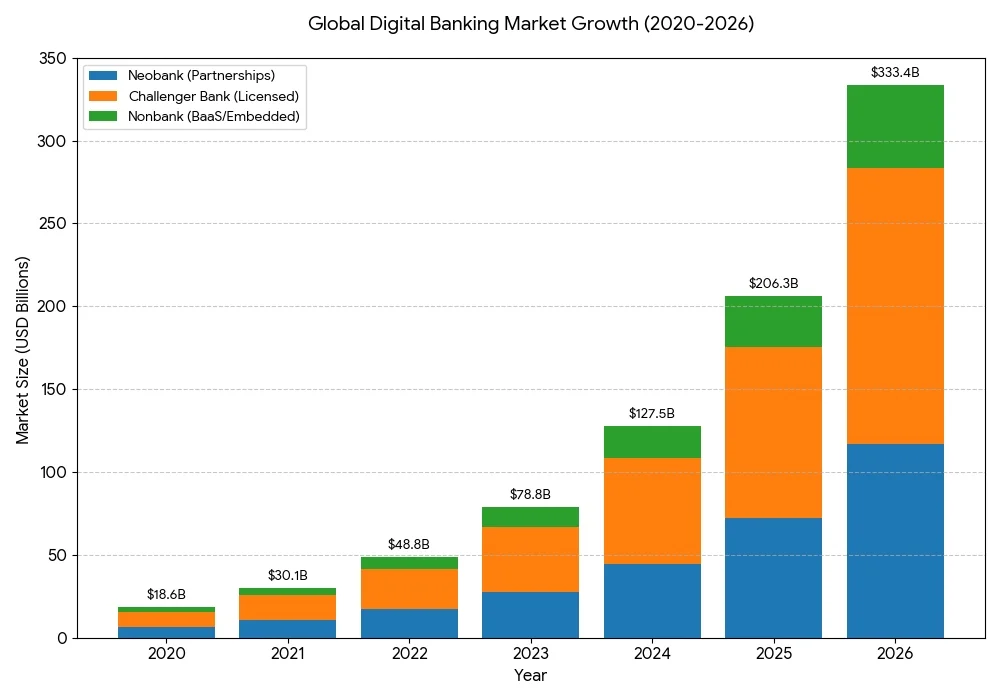
The Digital Banking Landscape: A Taxonomy Worth Understanding
Not all digital banking is the same. Courts, regulators, and compliance officers treat these categories differently and so should you.
| Type | What It Does | Examples | Critical Legal Note |
| Neobank | Fully online; partners with licensed banks for limited services | Revolut, Monzo | No full banking license; limited consumer protections |
| Challenger Bank | Competes with traditional banks; targets underserved markets | N26, Starling Bank | Subject to standard banking regulations; can be fined |
| Licensed New Bank | Full banking services, entirely digital | Various fintechs | Comprehensive regulatory obligations |
| Nonbank | Offers loans/mortgages without taking deposits; may use EMI licenses | Monese | No deposit insurance; narrow product scope |
Coyyn.com Digital Banking, based on available information, reads closest to the nonbank or informational-fintech category. That’s not a criticism. It’s a legal coordinate one that shapes what protections apply to you as a user.
The Legal Framework: Patchwork Is Too Polite a Word
Here’s the honest truth about digital banking regulation in the US: it’s a mess. A functional mess, mostly, but a mess.
The CFPB, FDIC, OCC and FinCEN alone are considered to be federal overseers sharing distinct jurisdictional rights over various aspects of a digital transaction. Add in the rules at the state level and a platform that is going to be active in every state is now dealing with dozens of duplicate compliance requirements. Add cross-border crypto and you have simply added complexity to the fact by a factor that most users do not even take into consideration.
The core pillars, broken down:
- AML/KYC: Under the Bank Secrecy Act, digital platforms handling transactions must verify user identities and report suspicious activity. No exceptions because you’re “just an app.”
- Data Privacy: GLBA requires financial institutions to safeguard customer data. California users get additional rights under CCPA. EU users fall under GDPR which applies regardless of where the platform is incorporated.
- Consumer Protection: Dodd-Frank and CFPB guidelines set the baseline for fair practices. The UDAAP (Unfair, Deceptive, or Abusive Acts or Practices) standard is broad intentionally so and has caught platforms off guard before.
- Crypto-Specific: The GENIUS Act of 2025 brought payment stablecoins under BSA oversight. The EU’s MiCA framework hits crypto providers with AML obligations. And the Digital Asset Banking Act of 2026 now authorizes custody and staking services but with full reserve and audit requirements.
For a platform like Coyyn.com Digital Banking which discusses cryptocurrency, digital assets, and investment tools the question isn’t whether these laws could apply. It’s which ones apply now, and which apply the moment the platform crosses a functional threshold from education into execution.
Embed a regulatory flow diagram here ideally adapted from fdic.gov or consumerfinance.gov showing the decision tree from “informational platform” to “regulated financial service provider,” illustrating the tipping points that trigger different compliance obligations.
Risks and Legal Challenges: The Ones People Don’t See Coming
The risk table below is useful. But tables flatten texture so let me add some.
| Risk Category | Core Challenge | Legal Exposure |
| Cybersecurity | Breaches, phishing, legacy system gaps | GLBA/CCPA fines; CFPB scrutiny |
| Fraud/Identity Theft | Synthetic fraud; no face-to-face verification | BSA/AML liability; inadequate KYC lawsuits |
| Regulatory Compliance | State vs. federal overlap; vendor risk | Penalties Starling Bank paid £29M for AML lapses |
| Operational/Financial | Credit defaults; liquidity exposure | Dodd-Frank scrutiny; reputational loss |
| Legal/AI Bias | Jurisdictional disputes; discriminatory AI outputs | Privacy lawsuits; E-Sign non-compliance claims |
The Starling Bank fine is worth pausing on. £29 million in AML penalties not because they were running a criminal operation, but because their compliance infrastructure didn’t scale with their growth. They onboarded customers faster than their risk systems could handle. That’s the trap. Growth without compliance architecture isn’t growth; it’s liability accumulation.
For a platform like Coyyn.com, the specific risks include something less obvious: misinformation liability. If educational content about crypto investment strategies is later argued to constitute financial advice and a user loses money acting on it the disclaimer language gets tested in court. Has been before. Will be again.
Place a short callout box here quoting the FTC’s guidance on financial platform disclaimers sourced from consumer.ftc.gov or a comparable .gov page to show readers what compliant disclaimer language actually looks like versus boilerplate.
Also: AI bias in financial decision-making is increasingly a litigation frontier. Platforms using AI for budgeting recommendations, fraud detection, or investment profiling face scrutiny not just for what the AI does, but whether it can be explained. Traceability of algorithmic decisions is becoming a compliance expectation, not just a technical nice-to-have. See this Wikipedia overview of algorithmic accountability for context on how this is evolving legally.
Compliance Strategies: What I’d Actually Tell a Client
If someone came to me representing a platform like Coyyn.com Digital Banking or a user heavily relying on it here’s the real conversation:
Embed AML/KYC early. Not as an afterthought when you hit a transaction threshold. Automated identity verification and risk profiling at onboarding is far cheaper than retrofitting it after a regulatory inquiry.
Due diligence on every third-party vendor. The interagency fintech partnership guidance is clear: your compliance obligations don’t transfer when you outsource. If a vendor gets compromised or non-compliant, you’re still in the chain of liability.
Encryption and MFA aren’t optional. Under 23 NYCRR 500, New York-regulated entities face specific cybersecurity certification requirements annually. If you’re operating in New York and digitally, most platforms effectively are this applies.
RegTech is worth the investment. Tools like ComplyAdvantage handle real-time AML monitoring. The cost of a compliance tech stack is a fraction of one serious enforcement action.
E-Sign compliance is underestimated. The E-Sign Act requires a six-step consent process for electronic disclosures. Platforms routinely skip steps two through five. Courts have noticed.
For users not the platform, but individual users the practical advice is simpler: read what you’re agreeing to, verify whether the tools you’re using are categorized as financial services in your jurisdiction, and don’t treat an educational platform as a substitute for a licensed financial advisor.
Insert a checklist-style graphic here sourced from compliance.gov or a law school fintech resource like law.harvard.edu showing a user-facing digital banking compliance checklist: what to look for before using a fintech platform.
Conclusion
Digital banking isn’t going away. Neither is the regulatory complexity around it. Coyyn.com Digital Banking occupies an interesting middle space part publisher, part tool, part platform and that middle space is exactly where legal questions tend to get interesting.
The 2026 regulatory shifts are real. OCC charter clarifications, the GENIUS Act’s stablecoin framework, the Digital Asset Banking Act these aren’t distant proposals. They’re active now, reshaping what fintech platforms can and can’t do, and what liability looks like when they get it wrong.
My client from that Zoom call? He’s fine. He hadn’t crossed any lines. But he hadn’t known where the lines were, either. That’s the more common problem not bad intent, just absent information.
Platforms like Coyyn.com serve a genuinely useful function when they close that information gap. The legal framework exists. The risks are manageable with the right architecture. The question is whether users and operators engage with that framework seriously, or treat it as fine print nobody reads.
Most people don’t read the fine print. That’s exactly what makes it worth writing about.