 Nicholas J. Rego Accident Lawyer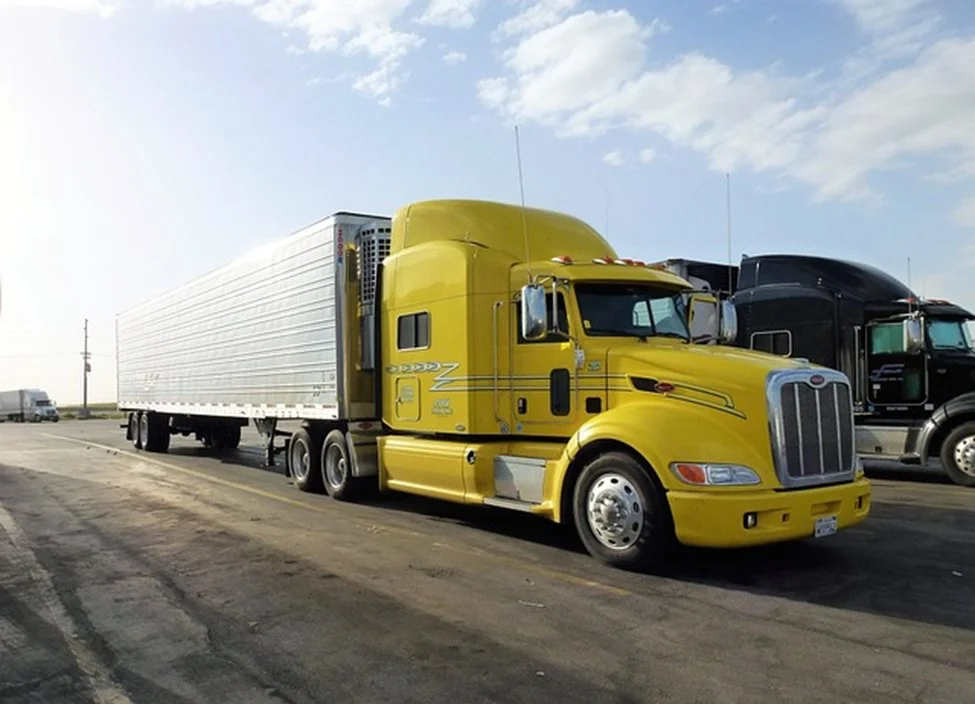
Truck accidents are some of the most complex personal injury cases in the legal system. Unlike typical car crashes, truck accidents often involve multiple parties, extensive damages, and detailed federal regulations. Victims of truck collisions face not only physical and emotional trauma but also a labyrinth of legal obstacles. Understanding why these cases are uniquely challenging is critical for anyone pursuing justice after a serious trucking accident.
The Size and Impact of Commercial Truck Accidents
Severe Damages and Catastrophic Injuries
Commercial trucks can weigh up to 80,000 pounds when fully loaded, compared to the average passenger vehicle weighing around 3,000 to 4,000 pounds. This massive disparity often results in catastrophic injuries or fatalities during collisions. These severe outcomes naturally raise the stakes in any ensuing legal claim, making thorough investigation and aggressive legal representation essential.
High Medical Costs and Long-Term Care
Victims of truck crashes frequently require long-term or lifelong medical care. Claims involving spinal cord injuries, traumatic brain injuries, or amputations demand expert testimony and future cost projections. Legal teams must compile detailed documentation to support claims for compensation, which often includes life care plans, vocational rehabilitation reports, and testimony from medical experts.
Multiple Parties May Share Liability
Complex Liability Issues
One of the main factors that makes truck accidents so legally complicated is the involvement of multiple potentially liable parties. These may include:
- The truck driver
- The trucking company
- The vehicle’s owner
- The cargo loading company
- Truck or parts manufacturers
- Maintenance contractors
Each entity may have its own insurance company, legal representation, and level of responsibility. Determining who is liable—and to what extent—requires extensive discovery, document review, and potentially expert accident reconstruction.
Vicarious Liability and Corporate Defense
In many cases, trucking companies can be held liable for the negligent acts of their drivers under the legal doctrine of “respondeat superior.” However, companies may attempt to deflect responsibility by claiming the driver was an independent contractor, or not acting within the scope of employment. Legal teams must be prepared to challenge these defenses with employment records, contracts, and communications between the driver and company.
Extensive Federal and State Regulations
Federal Motor Carrier Safety Regulations
Trucking companies and drivers are governed by strict federal safety regulations established by the Federal Motor Carrier Safety Administration (FMCSA). These regulations cover a wide range of issues including:
- Hours of service (HOS) limits
- Drug and alcohol testing
- Vehicle maintenance
- Driver qualifications
- Cargo securement
Violations of these regulations can serve as critical evidence in a personal injury case. For example, if a driver exceeded their legally allowed hours behind the wheel and caused a crash due to fatigue, this may be used to prove negligence.
Recordkeeping and Evidence Collection
Truck accidents often involve vital data stored in electronic logging devices (ELDs), GPS systems, and on-board cameras. However, trucking companies are only required to retain some of this data for a limited time. If a legal team does not act quickly, crucial evidence may be lost. Immediate legal intervention is often necessary to preserve black box data, maintenance logs, driver qualifications, and dispatch communications.
Insurance and Policy Complications
Large Insurance Policies, Aggressive Defense
Because commercial trucks typically carry much higher insurance policy limits than personal vehicles, insurance carriers often assign their most experienced adjusters and legal defense teams to truck accident cases. Their goal is to reduce liability and minimize payouts. Victims who attempt to handle claims alone or without experienced legal counsel may find themselves overwhelmed by aggressive tactics and legal maneuvers.
Layers of Insurance
Another layer of complexity arises from the fact that different entities involved in the accident may carry separate insurance policies. For instance, the truck may be insured by one company, the trailer by another, and the cargo owner by yet another. This web of coverage can delay settlement and create confusion over which insurer is responsible for compensation.
The Role of Legal Expertise in Truck Accident Cases
Specialized Legal Knowledge Required
Successfully litigating a truck accident case requires a deep understanding of both tort law and the specific regulations that govern commercial trucking. A general personal injury attorney may not have the necessary experience to take on major trucking firms and their insurers. A seasoned truck accident lawyer from The Stuckey Firm can provide the necessary insight, resources, and strategy to navigate these complex claims.
Investigative Resources and Expert Witnesses
Effective legal representation often includes collaboration with accident reconstruction experts, forensic engineers, trucking safety consultants, and medical professionals. These specialists can provide essential insights into how the accident occurred, who was at fault, and how the victim’s life has been affected. In some cases, data analysis of brake systems, tire wear, or load balance may prove pivotal in winning the case.
Jurisdictional and Procedural Challenges
Cross-State Issues
Many trucking accidents occur on interstate highways, involving drivers, companies, and victims from different states. This raises jurisdictional challenges that may complicate where the lawsuit can be filed and what laws apply. Multi-jurisdictional litigation may also require coordination between different courts and adherence to varying rules of civil procedure.
Filing Deadlines and Legal Strategy
Each state has its own statute of limitations for personal injury claims, which can impact a victim’s right to compensation. Moreover, the complexity of truck accident litigation means that even with time remaining, a late start can lead to missed evidence or poorly built cases. Early consultation with a qualified legal team is essential to preserve claims and build a solid foundation.
Conclusion: Why Legal Representation Is Critical
Truck accident claims are uniquely difficult due to the severity of injuries, multiple liable parties, federal regulations, and aggressive defense tactics. Navigating this legal terrain without experienced counsel can significantly reduce a victim’s chances of receiving fair compensation. Choosing the right attorney—one with a strong track record and understanding of commercial vehicle litigation—can make all the difference.
You can find many law firms on a trusted attorney rating service that highlights top legal professionals. For those impacted by a devastating truck accident, getting informed and acting quickly are the first critical steps toward justice.