 Mark Scott
As the population of elderly residents in California continues to grow, the spotlight on the state’s nursing homes has intensified. While these facilities are meant to be safe havens for the elderly, the reality for many residents is far from comforting. The hidden crisis in California’s nursing homes involves a troubling rise in neglect, abuse and systemic understaffing—issues that not only threaten the well-being of our seniors but also highlight deep-rooted problems within the long-term care industry.
A Growing Elderly Population and a Strained System
California is home to over 40 million people, with more than 5 million aged 65 and older. This demographic is expected to grow rapidly in the coming years, placing increased demand on long-term care facilities. Unfortunately, many nursing homes are already operating under strained conditions, unable to meet even the current demand.
Chronic understaffing, insufficient training and budget cuts have led to alarming consequences. Studies have shown that nursing homes with lower staffing levels tend to have higher rates of abuse and neglect. Family members may not always be aware of these issues until it is too late, making vigilance and legal support critical for protecting vulnerable residents.
Nursing Home Abuse and Neglect
Physical and Emotional Abuse
Nursing home abuse takes many forms, including physical, emotional and even financial mistreatment. Physical abuse can range from hitting and pushing to the overuse of restraints. Emotional abuse, often harder to detect, may include verbal insults, threats or deliberate social isolation, which can lead to severe psychological trauma.
Neglect as a Silent Threat
Neglect is equally harmful and often goes unnoticed. It includes failing to provide adequate food, water, medical care and hygiene. Many residents suffer in silence, too frail or fearful to speak out. Family members visiting occasionally may not recognize the signs until a medical emergency occurs.
Staffing Shortages and Their Impact
One of the most pressing issues facing California’s nursing homes is the lack of adequate staffing. The federal government recommends a minimum standard of 4.1 hours of direct care per resident per day, yet many facilities fall short of this benchmark. Understaffed facilities are unable to provide basic care, leading to falls, bedsores, infections and malnutrition.
Caregivers working in these environments often experience burnout, which can further compromise the quality of care. High turnover rates and lack of continuity also prevent residents from developing trusting relationships with staff, which is crucial for mental well-being.
The Role of Regulation and Oversight
State and Federal Oversight
California’s Department of Public Health (CDPH) is responsible for licensing and monitoring nursing homes. At the federal level, the Centers for Medicare & Medicaid Services (CMS) oversees regulations. Despite these layers of oversight, enforcement can be inconsistent and penalties for violations are often minimal.
Public access to inspection reports and complaint histories is available, but families may not know where to look or how to interpret the information. Moreover, many incidents go unreported, particularly when residents fear retaliation.
Importance of External Monitoring
Advocacy groups and legal professionals play a vital role in uncovering systemic issues and holding facilities accountable. Whistleblowers and family members who speak out are instrumental in bringing cases of abuse and neglect to light. Those seeking legal help can explore resources such as Arias Sanguinetti, which specializes in nursing home abuse litigation.
The Intersection of Abuse and Transportation Safety
While the focus is often on in-facility care, transportation of elderly residents is another area of concern. Unsafe or poorly supervised transport has led to injuries and even deaths. Regulatory agencies such as the National Highway Traffic Safety Administration have guidelines for vehicle safety, but compliance is not always guaranteed in the nursing home sector.
Improper restraints, lack of trained aides during transport and outdated vehicles all contribute to increased risk. Families should ask questions about how a facility handles medical appointments and emergency transport, as this is an often-overlooked aspect of elder care safety.
Legal Remedies and Family Advocacy
Pursuing Legal Action
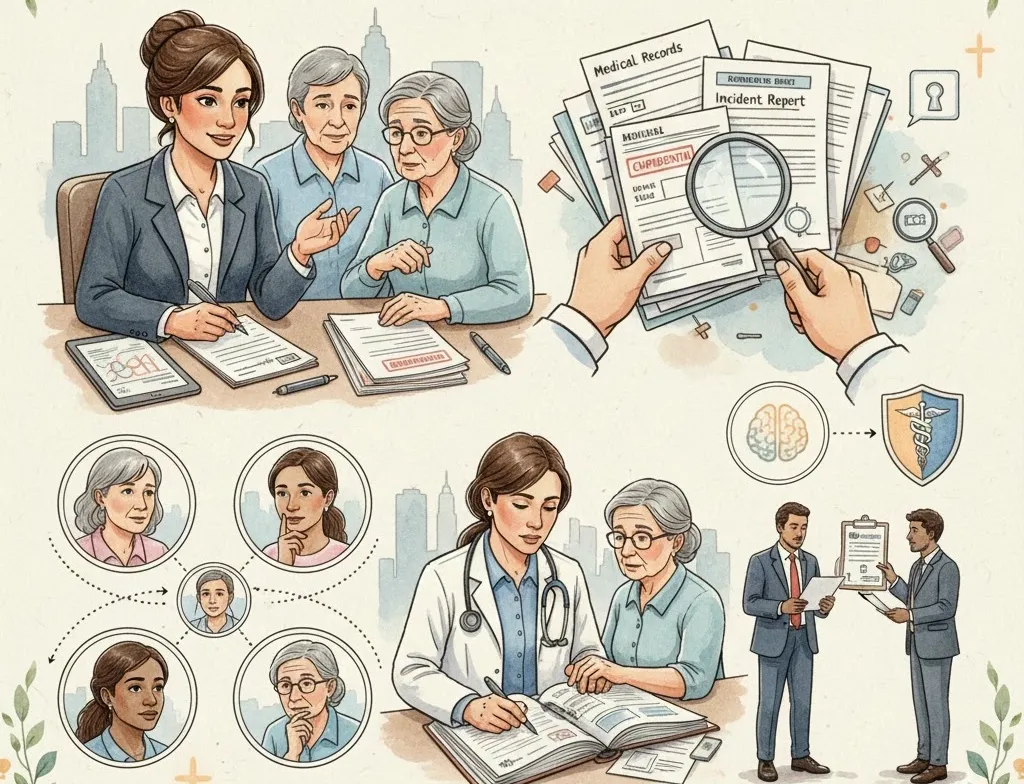
Families who suspect abuse or neglect should document everything—photographs, medical records and conversations with staff. Reporting concerns to state regulators is a crucial first step, but pursuing legal action may be necessary to ensure accountability and compensation.
Experienced attorneys can help navigate the complexities of elder abuse laws and hold facilities liable for their actions. Resources like this one provide crucial support for families seeking justice.
The Power of Family Involvement
Family involvement is one of the strongest deterrents against abuse. Regular visits, unannounced drop-ins and building relationships with staff can make a significant difference in a resident’s quality of life. Families should also be aware of the rights of nursing home residents under both state and federal law, including the right to be treated with dignity, to participate in care decisions and to voice grievances without fear of retaliation.
Conclusion
Addressing the hidden crisis in California’s nursing homes requires a multi-pronged approach. Stronger regulations, better funding, improved staffing ratios and a culture of accountability are essential. Public awareness must also improve—families, community leaders and lawmakers need to work together to ensure that the elderly are treated with the respect and care they deserve.
As California faces a growing aging population, now is the time to reform the nursing home industry before more lives are put at risk. Recognizing the problem is the first step. Taking action, advocating for change and seeking justice where needed will help ensure that nursing homes truly become the safe spaces they were meant to be.