 Mark Scott
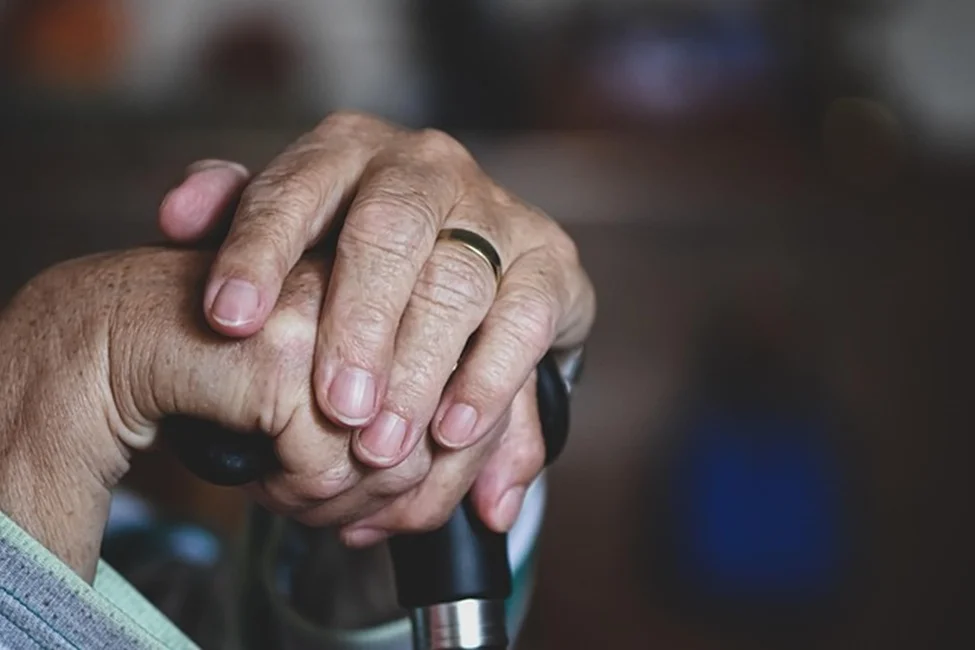
Mistreatment in care facilities, including nursing homes and assisted living centers, is a deeply concerning issue affecting thousands of vulnerable individuals each year. While these facilities are meant to provide safety and comfort, neglect and abuse can and do occur. Fortunately, the legal system offers several avenues for holding abusers and negligent institutions accountable. Understanding your rights and the available legal remedies is a critical first step toward justice.
Understanding Mistreatment in Care Facilities
Types of Abuse and Neglect
Mistreatment in care settings can take many forms. These include:
- Physical abuse: Infliction of physical harm through hitting, slapping, or restraining residents inappropriately.
- Emotional abuse: Verbal assaults, humiliation, or threats that inflict mental anguish.
- Sexual abuse: Any non-consensual sexual contact or behavior.
- Neglect: Failure to provide basic needs such as food, hygiene, or medical care.
- Financial exploitation: Unauthorized use of a resident’s funds or property.
Each of these forms of mistreatment can cause long-term physical and psychological damage. In some cases, the abuse is systemic and may involve multiple staff members or a general culture of negligence.
Legal Rights of Care Facility Residents
Residents of care facilities have clearly defined rights under federal and state laws. The Nursing Home Reform Act of 1987, for example, mandates that nursing home residents are entitled to a basic standard of care, including the right to be free from abuse and neglect. California’s Health and Safety Code provides additional protections specific to long-term care residents.
Violations of these rights can result in administrative penalties, license revocations, and civil or criminal liability for the facility and its staff.
Legal Avenues for Seeking Justice
Civil Lawsuits
One of the most common legal remedies for mistreatment in care facilities is a civil lawsuit. These suits often involve claims of:
- Negligence
- Medical malpractice
- Breach of contract
- Wrongful death
The purpose of civil litigation is to recover monetary compensation for the harm suffered. Damages may include medical expenses, pain and suffering, loss of companionship, and punitive damages in extreme cases.
Criminal Prosecution
In severe cases involving willful harm, criminal charges may be brought against the perpetrator. These could range from assault and battery to elder abuse and even manslaughter. While criminal proceedings are pursued by state prosecutors rather than the victim or their family, a conviction can provide closure and validation.
Administrative Complaints
Victims or their families can file complaints with state regulatory agencies such as the California Department of Public Health (CDPH). These agencies investigate care facility conditions and staff conduct. Depending on the outcome, penalties may include fines, license suspension, or facility closure.
Mediation and Arbitration
In some cases, contracts signed at the time of admission may include arbitration clauses. Arbitration is a form of alternative dispute resolution where a neutral third party decides the outcome. While it may offer a faster resolution than court, it often limits the victim’s ability to seek punitive damages or have a public trial.
Building a Strong Legal Case
Collecting Evidence
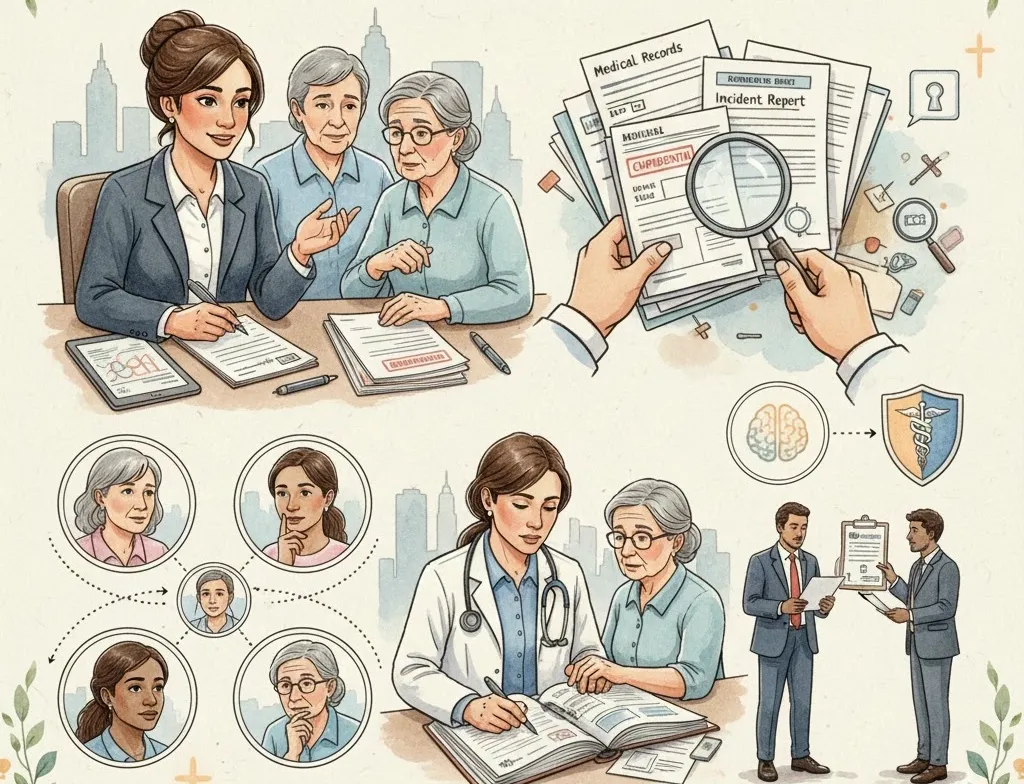
The strength of a legal case hinges on the availability and quality of evidence. This may include:
- Photographs of injuries or unsanitary conditions
- Medical records documenting injuries or neglect
- Eyewitness statements from staff or other residents
- Facility inspection reports or citations
Maintaining detailed records and documenting incidents as they occur is essential for substantiating claims.
Legal Representation
Working with an experienced attorney can make a significant difference in the outcome of a case. A skilled lawyer understands the nuances of elder law, the regulatory landscape of care facilities, and the best strategies for litigation or settlement.
If you suspect that a loved one is being mistreated, you may consider speaking with a nursing home abuse attorney in Los Angeles who can evaluate your case and advise you on the appropriate course of action.
How to Identify Warning Signs of Abuse
Families and friends play a vital role in identifying potential abuse or neglect. Warning signs include:
- Unexplained bruises, cuts, or broken bones
- Sudden weight loss or dehydration
- Withdrawal from social activities or uncharacteristic depression
- Poor hygiene or soiled clothing
- Unusual financial transactions
Trust your instincts—if something feels off, it’s worth investigating further. Many cases of mistreatment go unreported due to fear, isolation, or cognitive impairment of the resident.
Government and Legal Resources
Numerous resources are available to help victims and families navigate their legal options:
- State Ombudsman Programs: These advocates can investigate complaints and work toward resolution.
- Adult Protective Services (APS): State agencies tasked with investigating reports of elder abuse or neglect.
- Legal Aid Services: Provide free or low-cost legal help for eligible individuals.
You can also explore comprehensive guidance through sites like this one, which covers the types of abuse, legal theories, and case examples.
Choosing the Right Legal Partner
Not all attorneys have experience in elder law or nursing home abuse cases. It’s important to choose someone with a proven track record, familiarity with local regulations, and a compassionate approach. Law firms provide representation tailored specifically to victims of personal injury and elder abuse.
During your initial consultation, consider asking:
- Have you handled similar cases before?
- What outcomes have you achieved?
- What is your fee structure?
Conclusion
Mistreatment in care facilities is a heartbreaking violation of trust, but victims and their families are not without options. From civil litigation to regulatory action and criminal charges, the legal system provides multiple pathways for accountability and justice. Being informed, vigilant, and proactive can make all the difference in protecting the rights and dignity of those we care about most.
If you believe someone you love is being mistreated in a care facility, take action immediately—whether by collecting evidence, reporting the abuse, or consulting with a qualified attorney. Legal remedies are available, and pursuing them not only delivers justice but can also help prevent future abuse.