 Mohammad Ahsan
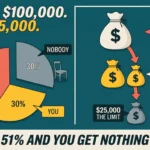
Personal injury claims in North Carolina face a brutal legal reality: you can be 49% at fault and recover damages, but hit 50% fault and you get nothing. This contributory negligence rule, followed by only five jurisdictions nationwide, means insurance companies fight harder here than almost anywhere else. Last year, North Carolina insurers denied or underpaid 31% of personal injury claims according to the state Department of Insurance’s 2023 consumer report.
The stakes get higher when you realize the average personal injury settlement in North Carolina is $52,000, but medical bills alone often exceed $75,000 for serious accidents. Without legal representation, victims settle for an average of $17,500 – roughly one-third of represented cases according to Insurance Research Council data. That gap between what victims need and what insurers offer is where personal injury lawyers operate.
This content is fact checked by James Roane from Roane Law.
Understanding Your Actual Rights in North Carolina
North Carolina law gives accident victims specific rights that insurance adjusters won’t explain. Under N.C.G.S. § 1-52, you have three years to file most personal injury claims, but waiting even six months can destroy evidence and witness memories. For government entity cases, the North Carolina Tort Claims Act requires written notice within 90 days – miss that deadline and your claim dies regardless of merit.
You’re entitled to recover:
- All medical expenses – past, present, and reasonably certain future costs.
- Lost wages at full value, not after-tax amounts insurers push.
- Loss of earning capacity calculated by vocational experts.
- Pain and suffering without caps (North Carolina has no damage limits except medical malpractice).
- Permanent disability compensation based on Industrial Commission ratings.
- Scarring and disfigurement as separate damages.
- Loss of consortium for spouses in serious injury cases.
But here’s what insurers hide: North Carolina follows the collateral source rule. Your health insurance payments don’t reduce what the at-fault party owes. Insurers pretend otherwise, showing victims their medical bills “only” cost $10,000 after insurance, when the law says they owe the full $50,000 billed amount.
Evidence Collection That Wins Cases
North Carolina’s contributory negligence doctrine makes evidence critical. One percent fault bars all recovery, so proving the other party’s 100% liability requires bulletproof documentation. Personal injury lawyers know which evidence matters versus what’s just paper.
Police reports carry less weight than people think. North Carolina Rule of Evidence 803(8) excludes officer opinions about fault in civil cases. The facts matter – measurements, witness names, citations issued – but “Unit 1 appears at fault” means nothing in court. Lawyers focus on objective evidence officers document, not conclusions.
Medical records need specific language. “Consistent with traumatic injury” beats “possibly related to accident.” North Carolina follows the Daubert standard for expert testimony, requiring scientific methodology. Doctors who document causation properly become powerful witnesses. Those who write vague notes become insurance company ammunition.
Surveillance footage disappears fast. North Carolina has no law requiring preservation beyond normal business practices. Most businesses overwrite after 30 days. Lawyers send spoliation letters immediately, creating legal obligations to preserve evidence. Destroying evidence after notice can result in adverse inference instructions – basically telling juries to assume the destroyed evidence would’ve helped the victim.
Insurance Company Tactics and Counter-Strategies
North Carolina insurers use predictable strategies:
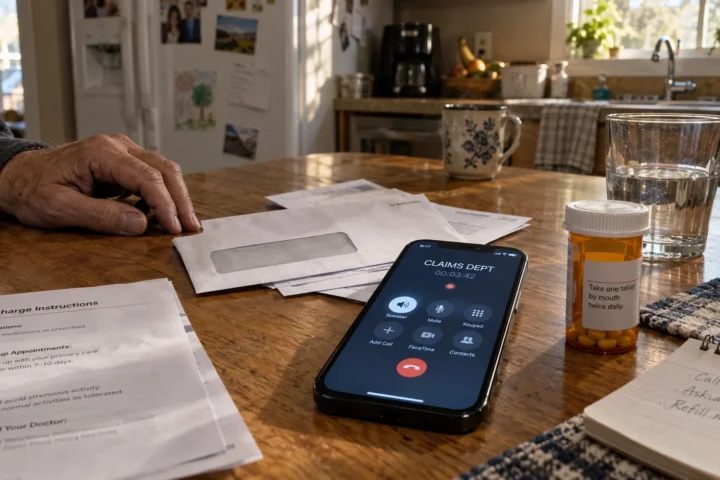
- The recorded statement trap: They call within 24 hours, when you’re medicated and confused. North Carolina law doesn’t require giving statements to the other party’s insurer. Anything said becomes evidence. “I’m okay” becomes proof of no injuries. “I think the light was yellow” becomes admission of fault.
- The quick settlement push: Offering $5,000 immediately for “full and final release” before you know injury extent. North Carolina allows rescinding releases for fraud, but proving fraud is nearly impossible. Once signed, you’re typically stuck even if surgery becomes necessary later.
- The medical authorization fishing expedition: Requesting authorization to get “relevant medical records” then pulling everything back to birth, looking for pre-existing conditions. North Carolina law only requires producing relevant medical history. Lawyers limit authorizations to specific dates and conditions.
- The contributory negligence hunt: Investigating everything to find 1% fault. Posted on social media about running late that morning? They’ll argue you were speeding. Lawyers prepare clients for these tactics, controlling information flow and protecting against fault-shifting attempts.
Calculating Real Claim Value
Insurance companies use software like Colossus that assigns point values to injuries, generating lowball offers. These programs don’t account for North Carolina specific factors:
- Venue matters – Mecklenburg County juries award 40% more than rural counties.
- Occupation affects pain and suffering – construction workers with back injuries get more than office workers.
- Life expectancy tables from N.C.G.S. § 8-46 determine future damage calculations.
- Interest accrues from filing at 8% annually under N.C.G.S. § 24-5.
Personal injury lawyers use different calculations:
Economic damages: Lost wages include benefits, bonuses, overtime history. Future losses use economist projections accounting for inflation, career trajectory, industry trends. Medical costs include future surgeries, medications, therapy. Life care planners project lifetime medical needs for serious injuries.
Non-economic damages: Pain and suffering typically ranges 1.5-5 times medical bills, but severe cases go higher. Permanent injuries use per-diem arguments – $100/day for 40 years equals $1.46 million. Emotional distress requires psychological documentation but adds significant value.
Punitive damages: Available for drunk driving, texting while driving, or gross negligence. North Carolina caps them at three times compensatory damages or $250,000, whichever is greater (N.C.G.S. § 1D-25).
Litigation Realities and Leverage
Filing suit changes everything. Discovery powers activate – depositions, document requests, interrogatories. Insurance companies hate litigation costs. Defense attorneys bill $300-500 hourly. Depositions cost $2,000 each. Expert witnesses run $5,000-15,000. Trials cost insurers $50,000 minimum.
This expense creates leverage. Offering $30,000 to avoid $50,000 in defense costs makes business sense. Lawyers know this math and use it strategically. Filing suit often doubles settlement offers within 60 days.
North Carolina’s joint and several liability rules help victims when multiple defendants exist. Each defendant is fully liable for all damages if they’re at fault. Victims can collect everything from whoever has insurance or assets, letting defendants fight among themselves for contribution.
The Post-Accident Timeline That Matters
- First 24 hours: Seek medical treatment. Report to police. Document everything. Don’t talk to insurance adjusters.
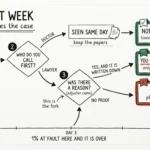
- First week: Hire an attorney. Preserve evidence. Follow up with specialists. Start pain journal.
- First month: Complete initial treatment. Gather bills and records. Attorney investigates liability.
- Months 2-6: Continue treatment. Build medical evidence. Negotiate with insurers.
- Months 6-12: Reach maximum medical improvement. Calculate total damages. Serious settlement negotiations.
- Year 2: File suit if necessary. Begin discovery. Pressure builds toward trial.
- Year 3: Approach statute of limitations. Must file or lose rights forever.
Special Considerations for Specific Accidents
Motor vehicle accidents: North Carolina’s Financial Responsibility Act requires minimum coverage of $30,000 per person, $60,000 per accident. Underinsured motorist coverage becomes critical when damages exceed these limits.
Premises liability: Property owners owe different duties to invitees, licensees, and trespassers. Store customers get highest protection. Social guests get moderate protection. Trespassers get minimal protection except for attractive nuisance doctrine protecting children.
Workers’ compensation overlap: Injured at work by third party? You get workers’ comp benefits plus personal injury claims against the third party. But employers get subrogation rights to recover workers’ comp payments from your settlement.
References
- North Carolina Department of Insurance. (2023). Consumer Report on Insurance Claim Denials and Underpayments. NCDOI Annual Statistics.
- Insurance Research Council. (2023). Attorney Involvement in Personal Injury Claims: Impact on Settlement Values. IRC Research Report.
- N.C. General Statute § 1-52. Three-Year Statute of Limitations for Personal Injury.
- N.C. General Statute § 1D-25. Punitive Damages Cap.
- North Carolina Rules of Evidence, Rule 803(8). Public Records and Reports Exception to Hearsay.
- North Carolina Industrial Commission. (2023). Average Awards and Disability Ratings in Personal Injury Cases. NCIC Annual Report.