 Andrea G. Farmer (Disability Law Specialist)
The Legacy of Obamacare
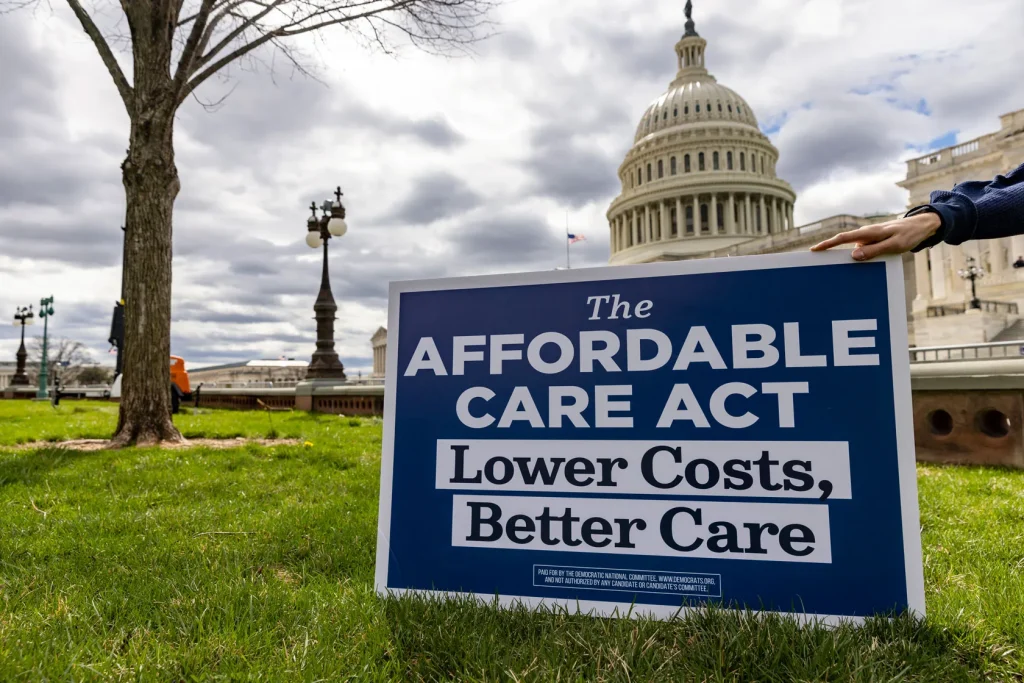
Thirteen years after its passage, the Affordable Care Act (ACA), colloquially known as Obamacare, remains a cornerstone of U.S. healthcare. Designed to expand coverage, curb costs, and protect consumers, its journey has been marked by political battles, legal challenges, and transformative outcomes. This post delves into the ACA’s evolving impact, dispels persistent myths, and explores its future in a polarized landscape.
Key Components: Beyond the Basics
While most know the ACA for its insurance marketplaces and Medicaid expansion, lesser-known provisions have quietly reshaped healthcare:
- Preventive Care Incentives: Mandating free preventive services (e.g., screenings, vaccinations) reduced late-stage disease diagnoses, particularly benefiting low-income populations.
- Innovation Waivers: Section 1332 allows states to experiment with healthcare models, leading to initiatives like Colorado’s public option and Maryland’s global hospital budgets.
- Accountable Care Organizations (ACOs): Encouraging providers to focus on quality over quantity, ACOs now serve over 20 million Medicare beneficiaries, improving outcomes while saving billions.
A Decade of Impact: Successes and Shortcomings
Successes:
- Coverage Gains: Over 40 million Americans are insured through ACA provisions, with uninsured rates dropping from 16% (2010) to 8.6% (2023). Medicaid expansion alone covers 21 million in 40 states.
- Protections for Vulnerable Groups: Banning pre-existing condition exclusions and extending young adult coverage up to age 26 provided critical safeguards.
Shortcomings:
| Affordability Gaps: | Despite subsidies, many middle-income families still face high deductibles. Rural areas suffer from limited insurer competition, spiking premiums. |
| The Coverage Gap: | In non-expansion states, 2.2 million remain uninsured, caught in a Medicaid eligibility loophole. |
Obamacare in 2023: Adapting to New Realities
Recent developments highlight the ACA’s resilience:
- Enhanced Subsidies: The Inflation Reduction Act (2022) extended subsidy boosts through 2025, lowering premiums for 13 million Americans.
- Closing the “Family Glitch”: A 2023 fix expanded subsidy access to 1 million families previously ineligible due to employer plan costs.
- Post-COVID Challenges: The end of the public health emergency threatens Medicaid coverage for up to 15 million as states reassess eligibility.
Debunking Myths: Separating Fact from Fiction
- Myth: “Obamacare is socialized medicine.”
Reality: The ACA relies on private insurers and state-federal partnerships, not government-run healthcare. - Myth: “The ACA killed jobs.”
Reality: Studies show negligible impact on full-time employment, though some argue it incentivized part-time work. - Myth: “Death panels decide care.”
Reality: The Independent Payment Advisory Board (IPAB), often mischaracterized, was repealed in 2018 without ever being enacted.
The Future of Healthcare Reform: What’s Next?
| Legislative Horizons: | Proposals to add a public option, make subsidies permanent, and incentivize Medicaid expansion in holdout states could further universalize coverage. |
| Legal Threats: | Ongoing lawsuits, like Braidwood v. Becerra challenging preventive care mandates, risk eroding ACA protections. |
| 2024 Elections: | The ACA’s fate hinges on political control, with GOP proposals pushing for block grants and Democrats aiming to broaden subsidies. |