 Nicholas J. Rego Accident Lawyer
Motorcycle crashes kill about 5,500 riders annually and injure another 82,000, according to the National Highway Traffic Safety Administration’s 2023 traffic safety facts. The physics are brutal – riders are 28 times more likely to die per vehicle mile traveled than car occupants. When 4,000 pounds of steel hits 400 pounds of motorcycle, the math never favors the rider.
Insurance companies know this. They also know injured riders often make critical mistakes in the first 72 hours after a crash that tank their legal claims. The average motorcycle accident settlement runs $73,700 according to the Insurance Information Institute’s 2023 claim severity study, but riders who fumble the post-crash process often get pennies on the dollar – or nothing.
Medical Documentation Creates Your Paper Trail
Get to an emergency room. Period. Adrenaline masks pain for hours, sometimes days. That “minor” headache could be a subdural hematoma. The sore ribs might be internal bleeding. A 2022 study in the Journal of Trauma and Acute Care Surgery found that 23% of motorcycle accident victims had undiagnosed injuries during initial assessment that later required surgery.
Tell medical staff everything that hurts, even slightly. Insurance adjusters love arguing that injuries you didn’t mention immediately must’ve happened later. “Patient complained of neck pain” in an ER report becomes evidence worth thousands. Missing that documentation? Good luck proving whiplash three weeks later when the bills start rolling in.
Request copies of everything before leaving – admission records, test results, discharge instructions. Hospitals are required under HIPAA to provide these within 30 days, but getting them immediately prevents “lost” paperwork problems later.
Evidence Collection That Actually Matters in Court
Police don’t always show up for motorcycle accidents, especially if nobody’s dying. In property-damage-only crashes, you’re often on your own. That’s a problem – insurance companies treat police reports like gospel and everything else like fiction.
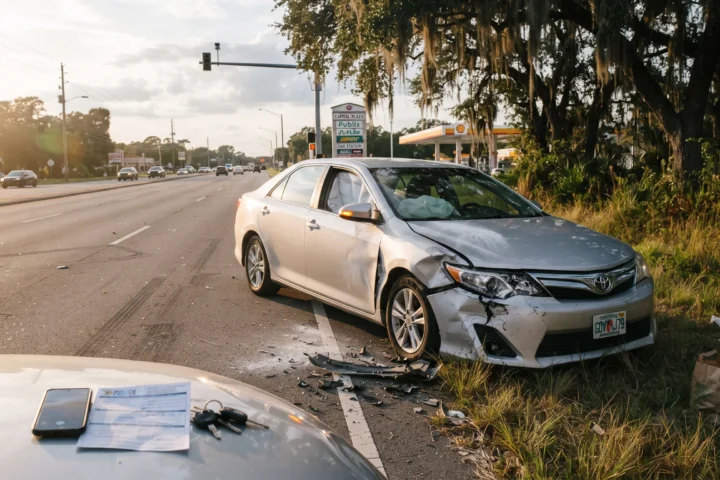
Photos need to show specific things lawyers actually use:
- Skid marks showing braking patterns and point of impact.
- Vehicle positions before anyone moves them.
- Traffic signals and signs visible from crash location.
- Road defects – potholes, oil slicks, gravel, construction zones.
- Your injuries before they’re cleaned up (blood shows severity).
- Helmet damage and protective gear condition.
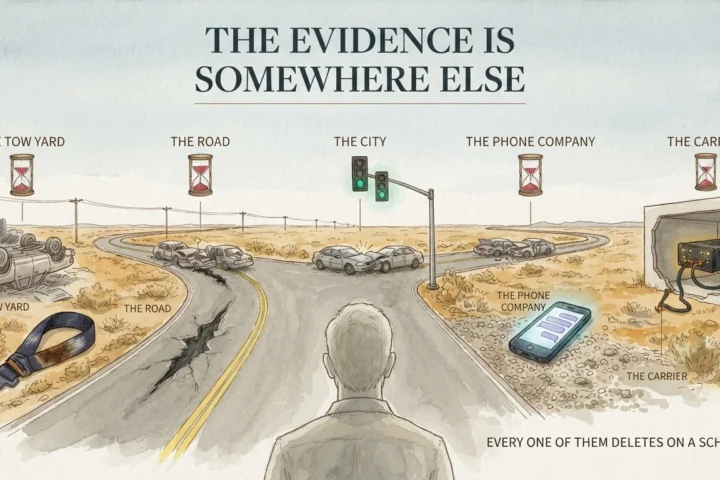
Video’s better. Most businesses have exterior cameras now. Gas stations, banks, restaurants – they all record the street. But here’s the catch: most systems overwrite footage within 7-30 days. Your lawyer or trusted motorcycle accident attorneys need to send preservation letters immediately, or that evidence disappears forever.
Witness statements expire too. People forget details within days, move away, or decide they don’t want involvement. Get names, numbers, and if possible, recorded statements on your phone right there. The Federal Rules of Evidence allow these recordings as present sense impressions or excited utterances – powerful exceptions to hearsay rules.
Report the Accident to Authorities
Officers write reports hours or days after leaving the scene, relying on notes and memory. Mistakes happen constantly. They’ll mark the wrong street, flip who had green lights, or miss witnesses entirely. Under most state public records laws, you can request amendment of factual errors, but only if you catch them quickly.
Get the report within 5-7 days. Every state has different procedures – some require in-person pickup, others mail them, many now use online portals. The report number given at the scene is your key to accessing it.
If the officer cites you for the accident, that citation becomes evidence against you in civil court. Fighting the traffic ticket isn’t just about the fine – it’s about protecting your injury claim. Many riders don’t realize that paying a ticket equals admitting guilt in most states, torpedoing their personal injury case.
Notify Your Insurance Company
Your insurance company isn’t your friend after an accident. Neither is theirs. Both want to pay as little as possible, and they’ve got playbooks for doing it.
The “recorded statement” request comes within 24-48 hours. They’ll call when you’re medicated, traumatized, and unprepared. Federal law doesn’t require you to give one, despite what they imply. Anything you say becomes ammunition. “I’m okay” becomes proof you weren’t injured. “I didn’t see them” becomes admission of fault. “Maybe I was going a little fast” becomes comparative negligence reducing your claim by whatever percentage they can sell.
Quick settlement offers arrive within days, sometimes hours. The adjuster acts like your buddy, mentions how hard this must be, offers a check that sounds decent. They know you’re facing bills and can’t work. What they don’t mention? The average motorcycle injury claim takes 14.3 months to resolve properly according to Insurance Research Council data. That “generous” $10,000 offer for your broken leg? Other riders averaged $74,000 for similar injuries when represented by attorneys.
Legal Deadlines That Kill Cases
Every state has statutes of limitations for injury claims. Miss the deadline by one day, your case is dead forever. No exceptions, no excuses, no second chances. Most states give you 2-3 years, but some government entity cases require notice within 30-90 days.
Here’s what riders don’t know: the clock might start before your accident. Product liability claims against motorcycle manufacturers often run from purchase date, not crash date. Discovered your brake failure was from a recalled part? Too bad if the recall was three years ago – your time might’ve already expired.
Government claims are worse. Hit a pothole that shouldn’t exist? Road design caused the crash? You’ve got 180 days in California, 90 days in New York, some places just 30 days to file formal notice. Miss it and sovereign immunity means you can’t sue, period.
The Compensation You’re Actually Entitled To
Economic damages are straightforward – medical bills, lost wages, property damage. The average motorcycle totals $15,000 to replace, but insurance companies use depreciation tables that value your bike at wholesale prices. That custom paint and chrome package? Worth zero in their calculations unless you’ve got receipts and appraisals.
Non-economic damages – pain, suffering, lost enjoyment of life – that’s where real money exists. Insurance companies hate these because there’s no receipt for PTSD or chronic pain. They’ll offer $5,000 for “suffering” from a shattered femur requiring multiple surgeries. Juries award $150,000+ for the same injury.
Punitive damages apply when the other driver was drunk, texting, or grossly negligent. These aren’t about compensating you – they’re about punishing dangerous behavior. Some states cap them, others don’t. California allows unlimited punitive damages. Texas caps them at $750,000. Know your state’s rules.
Why Legal Representation Changes Everything
The Insurance Research Council found that injured people who hire attorneys receive 3.5 times more compensation than those who don’t, even after legal fees. It’s not just about knowing law – it’s about having someone insurance companies can’t bulldoze.
Attorneys immediately send spoliation letters preventing evidence destruction. They hire accident reconstructionists who prove the other driver was speeding using physics and skid mark analysis. They get medical experts to testify about future complications from your injuries. They know which judges are motorcycle-friendly and which hate riders.
Most importantly, they can file suit. Insurance companies know most people can’t navigate litigation alone. The threat of an unrepresented rider suing is like threatening a UFC fighter with a pillow fight. Once you lawyer up, settlement offers mysteriously triple because now there’s real risk of trial.
Common Mistakes That Destroy Cases
- Posting on social media after your accident is evidence suicide. That photo of you standing at your cousin’s wedding becomes “proof” you’re not really injured. Privacy settings don’t matter – insurance companies subpoena social media records routinely.
- Gaps in medical treatment kill cases. Miss three weeks of physical therapy? Insurance argues you’re healed. Can’t afford treatment? Get it anyway. Medical liens let doctors treat you now and get paid from your settlement later. Most trusted motorcycle accident attorneys have relationships with doctors who work on liens.
- Giving statements to the other driver’s insurance is voluntary legal malpractice. You have zero obligation to talk to them. They’ll threaten to deny the claim without your statement. Let them. Your attorney will handle communication, preventing you from accidentally destroying your case.
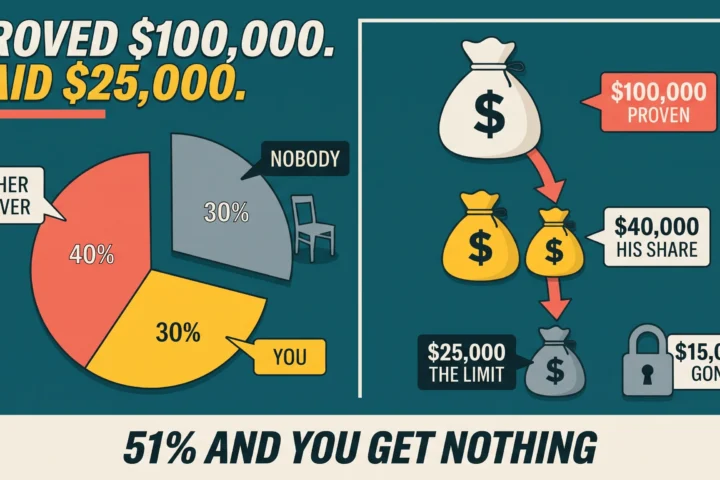
When you weren’t at fault happens constantly. Riders think being “reasonable” helps their case. It doesn’t. Comparative negligence laws mean accepting 20% fault costs you 20% of your compensation. On a $100,000 claim, being nice just cost you $20,000.
Protecting Yourself Long-Term
Document your recovery process. Keep a daily journal of pain levels, medications, activities you can’t do. Juries award more to people who can specifically describe how injuries changed their lives versus vague complaints about “pain.”
Follow medical advice religiously. Insurance companies hire investigators to catch you doing things your doctor says you can’t. They’ll video you lifting grocery bags when you claim back injuries. One surveillance video of you seeming fine can destroy years of legitimate medical documentation.
Understand your insurance coverage before you need it. Uninsured/underinsured motorist coverage saves riders constantly. Medical payments coverage pays immediately regardless of fault. Most riders are underinsured and don’t know it until after a crash when it’s too late.
References
- National Highway Traffic Safety Administration. (2023). Traffic Safety Facts 2023: Motorcycles. DOT HS 813 492.
- Insurance Research Council. (2023). Attorney Involvement in Auto Injury Claims: 2023 Update. IRC Research Study.
- Federal Rules of Evidence, Rule 803 (1-2). Present Sense Impression and Excited Utterance Exceptions.