 Irma C. Dengler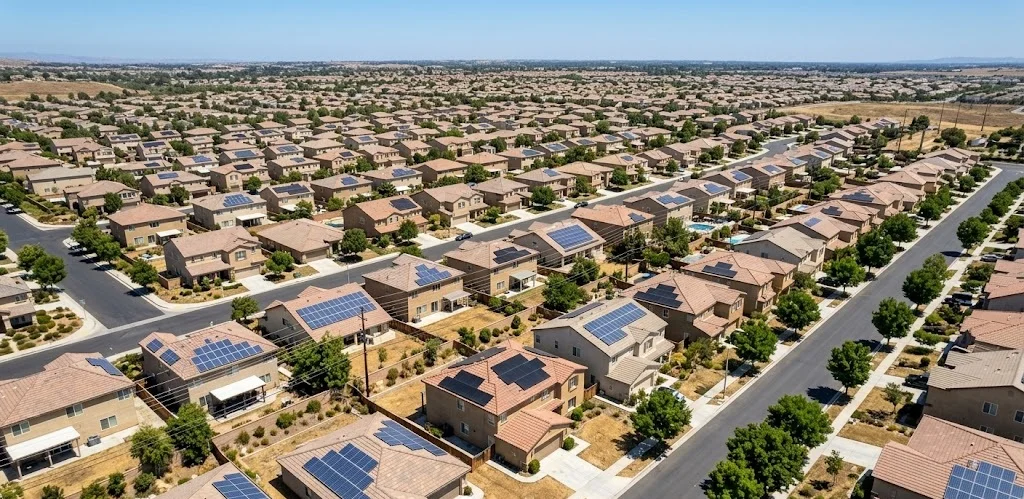
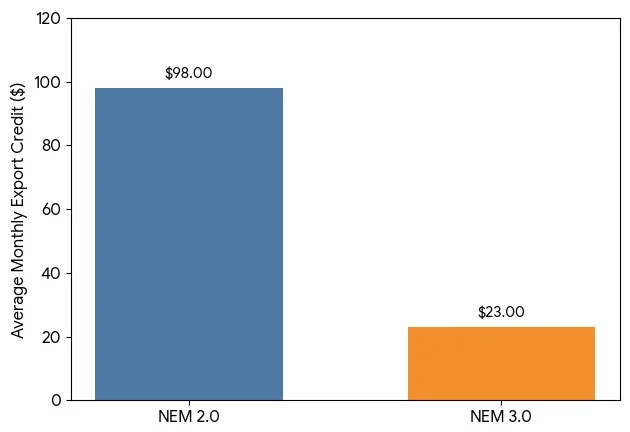
The solar reimbursement battle in California is not ended yet, by no means. The heart of it is a 2022 ruling by the California Public Utilities Commission that disemboweled the amount of power that solar homeowners receive when they feed back to the grid. That change in the program, denoted as NEM 3.0 or Net Billing Tariff, reduced those credits by an estimated 75 percent in new installations. Advocacy groups sued. Courts ruled. The California Supreme Court followed up, overturned one decision and now – as of April 2026 – the battle moves back to the Supreme Court. This case has a direct impact on your wallet in case you own solar panels in California or you even consider getting them.
Background on California’s Net Energy Metering (NEM) Program
The Net Energy Metering program in California is not a new development, but was introduced in 1996 under the Public Utilities Code, section 2827. The idea is simple drive in the sun at home, consume as much as you need, export the excess to the grid and receive it on your utility bill. Those credits under NEM 1.0 and NEM 2.0 were at the full retail rate, the same price as you would pay to import electricity with PG&E, Southern California Edison or SDG&E.
That structure made solar math work really well. Payback periods landed around 5 to 7 years for most homeowners. Installations surged. California became the undisputed national leader in residential solar adoption.
Then the utilities started complaining.
Their argument — backed by CPUC studies — was that solar customers were essentially getting a free ride on grid infrastructure. They generate during the day, export excess power, then pull from the grid at night, all while being credited at retail rates that include charges for transmission, distribution and public policy programs. Non-solar customers, the argument went, were left to cover those fixed grid costs. The CPUC estimated this “cost shift” at around $60 million statewide under the old NEM tariffs and said it hit lower-income households hardest.
That reasoning set the stage for what came next.
What Changed with NEM 3.0 / Net Billing Tariff
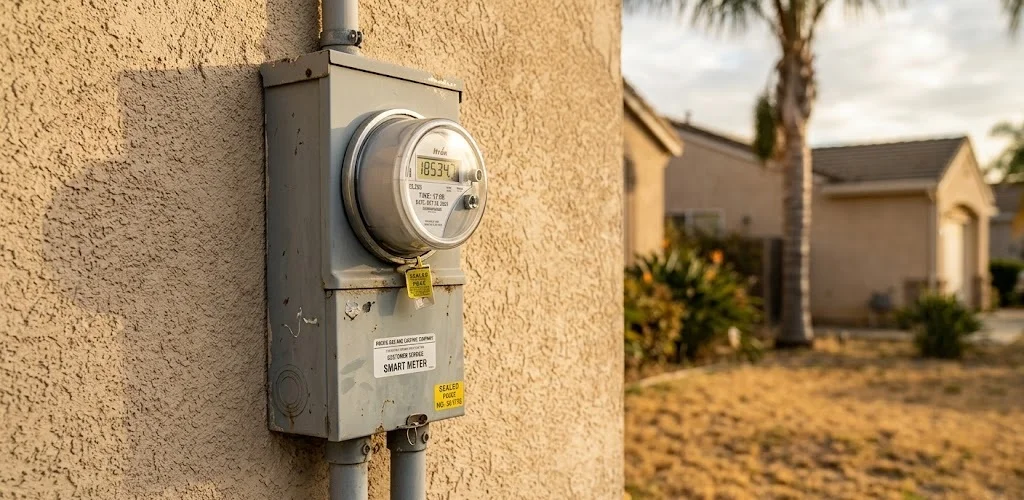
In December 2022, the CPUC approved Decision D.22-12-056 — what everyone now calls NEM 3.0 or the Net Billing Tariff. It kicked in April 15, 2023 for new solar interconnections. Here’s what actually changed:
| Feature | NEM 2.0 (Old) | NEM 3.0 (Current) |
| Export credit rate | Full retail rate | Avoided cost (wholesale) |
| Effective credit reduction | — | ~75% lower in many hours |
| Billing structure | True net metering | True net billing (imports/exports separate) |
| Rate requirement | Standard or TOU | Time-of-use required |
| Payback period (typical) | 5–7 years | 9–12+ years (without storage) |
A few things worth flagging specifically:
- Avoided cost means the wholesale market value of electricity — what a utility would pay to source it elsewhere. That’s a fraction of what you pay on your bill.
- Time-of-use requirements mean your credits fluctuate. Late summer afternoons get higher credit values. Midnight in January? Not so much.
- A temporary export compensation adder exists for some residential customers through 2027 — a modest cushion, not a fix.
- Existing NEM 1.0 and 2.0 customers are grandfathered at their old retail-rate credits for 20 years from their original interconnection date. This is significant. If you were already connected before April 15, 2023, the new rules don’t touch you.
New solar customers got a 9-year legacy period under the new tariff. After that, it’s anyone’s guess what the landscape looks like.
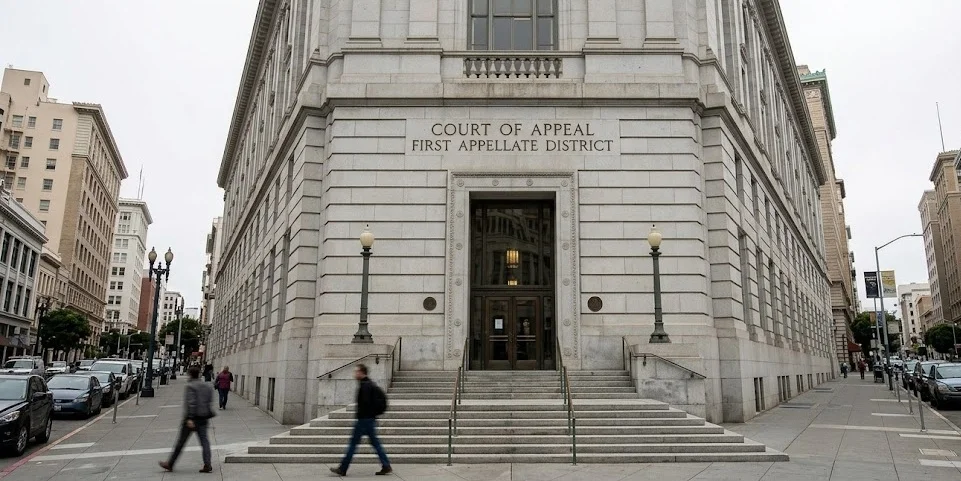
The Lawsuit: Center for Biological Diversity et al. v. CPUC — Timeline of Key Rulings
Three organizations — the Center for Biological Diversity, the Environmental Working Group and the Protect Our Communities Foundation — filed a petition for writ of review in May 2023 in the California Court of Appeal (Case No. A167721). Their legal argument wasn’t about whether solar is good. It was about whether the CPUC violated AB 327, specifically Public Utilities Code § 2827.1, which requires California’s successor solar tariff to:
- Ensure “customer-sited renewable distributed generation continues to grow sustainably”.
- Consider benefits to all customers, including disadvantaged communities.
- Base compensation on the actual costs and benefits of renewable generation.
Plaintiffs claimed that the CPUC underestimated actual societal advantages – less greenhouse gas emissions, grid resilience locally, creation of jobs – and was in fact allowing utilities to insulate their infrastructure paybacks at the cost of distributed solar.
December 2023 — Court of Appeal upholds NEM 3.0
The First Appellate District applied what’s called the Greyhound standard — heavy deference to the agency’s interpretation of it’s own authority. Under that lens, the CPUC wins almost automatically.
August 7, 2025 — California Supreme Court reverses and remands
This is the pivotal ruling. The Supreme Court unanimously said the lower court used the wrong standard. It should have applied the Yamaha standard instead — independent judicial review of whether the CPUC actually stayed within it’s statutory authority under § 2827.1. No special deference to the agency. The court did not strike down NEM 3.0. The tariff stayed in effect. But the case went back down.
March 9, 2026 — Court of Appeal upholds NEM 3.0 again
On remand, applying the correct Yamaha standard this time, the Court of Appeal still sided with the CPUC. It’s reasoning: “sustainable growth” under the statute doesn’t mean preserving prior industry growth rates or installer profit margins. The tariff balances costs and benefits adequately, includes equity measures for disadvantaged communities and CARE/FERA customers and the Avoided Cost Calculator properly values exports.
April 1, 2026 — Rehearing denied
~April 18–20, 2026 — Second Petition for Review filed with California Supreme Court Plaintiffs are back, arguing the appeals court “resurrected the same flawed review standard” and gave “extreme deference” to the CPUC — contrary to what the Supreme Court directed in 2025. As of April 21, 2026, the Supreme Court has not yet decided whether to grant review.
Current Reimbursement Rules and How They Affect Payback Periods
For homeowners trying to run the actual numbers right now, here’s the practical breakdown:
If you installed solar before April 15, 2023:
You’re grandfathered. Full retail-rate credits for 20 years from your interconnection date. The litigation doesn’t affect you unless it triggers a broader structural change — which hasn’t happened.
If you installed solar after April 15, 2023:
- Exports are credited at avoided-cost rates — generally 25–40% of retail, varying by time of day and utility
- On-site generation offsets your imports first; only the surplus gets exported
- Annual true-up reconciles any net surplus at wholesale rates
- Non-bypassable charges still apply on everything you import
Payback reality check:
A solar-only system today typically pencils out at 9–12+ years before you break even — up from 5–7 years under the old rules. Add battery storage and you can push that number back down, since batteries let you store afternoon generation and either use it at night or export it during higher-value TOU periods.
The federal 30% Investment Tax Credit under the Inflation Reduction Act still applies and is still one of the strongest financial tools available for new installations.
Real-World Impacts on Solar Adoption and Ratepayers
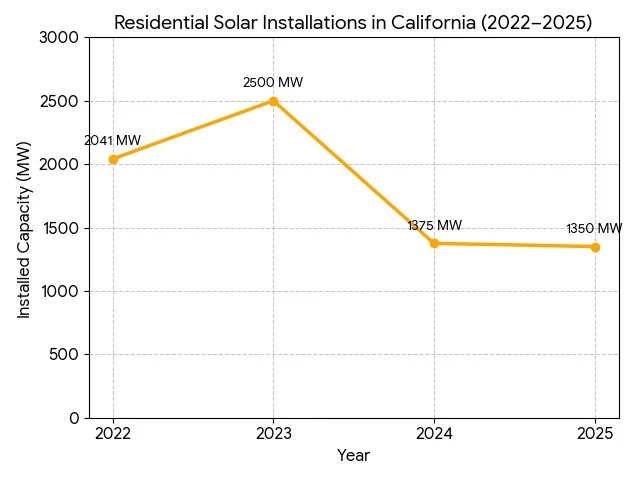
The numbers are hard to look past. After NEM 3.0 took effect, new residential solar installations dropped 77–85%. Thousands of jobs in the solar installation industry were affected. Companies that had scaled up aggressively through the NEM 2.0 era pulled back hard.
The fairness debate cuts both ways:
- Utilities and the CPUC say NEM 2.0 was a cost shift that made electricity more expensive for renters, apartment dwellers and lower-income families who couldn’t install solar in the first place.
- Proponents respond that reducing the pace of rooftop solar installations increases the total grid costs by decreasing local generation, hastens climate harm and that the electricity rates in California – which are already second highest in the U.S. – would actually rise under the strategy.
Both arguments have real merit. That tension is exactly why this case keeps going.
Practical Advice for California Homeowners in 2026

Already have solar (pre-April 2023)? You’re in the best position legally. Lock in documentation of your interconnection date. Keep that paperwork. Your grandfathered status runs 20 years and it’s valuable — treat it like a transferable asset if you ever sell your home.
Considering new solar? Don’t decide solely on what the litigation would give. The Supreme Court has not yet decided to re-hear the case and even in case it does it is not necessarily that it will rule in favor of the plaintiff. Calculate your figures using NEM 3.0 as it is.
What actually moves the math in your favor right now:
- Pair solar with battery storage. Self-consumption goes up, export dependency goes down and you capture the higher TOU credit windows.
- Claim 30% federal ITC under the Inflation Reduction Act. That would be off your installation cost.
- SOMAH (Solar on Multifamily Affordable Housing): Check if you are in a qualifying building. There are certain incentive programs that can be considered by low-income and multifamily homeowners.
- Calculate your numbers with the CPUC Avoided Cost Calculator or input your numbers into EnergySage or NRELs PVWatts and sign any contract.
Watch the docket. Case No. A167721. In case of review by the California Supreme Court, the entire schedule changes once again. No one knows yet.
Next Steps/Conclusion
The California solar reimbursement battle is a tangible legal battle that has tangible financial interests to the homeowners. The law is currently NEM 3.0 – the courts have endorsed it twice, the tariff itself exists and new installations are being run under it. But the litigation isn’t closed. Plaintiffs have already submitted a second Supreme Court petition and the court ruling on whether they will accept the case will be interesting to observe.
In the case of homeowners, the bottom line is as follows: the grandfathered NEM 2.0 customers were better off and they need to guard the position. New solar customers must do new calculations including storage, consider all possible incentives and do not rely on a court overturn to correct the economics.
Your next steps:
- Confirm your interconnection date with your utility and document your NEM tier.
- If evaluating new solar, get quotes that include battery storage and the federal ITC.
- Check the CPUC NEM page for current tariff details.
- Monitor Case No. A167721 on the California Courts website for Supreme Court updates.
- Talk to a California energy attorney if you believe your grandfathered status has been incorrectly reclassified.
The law here is still moving. Stay informed.