 Mark Scott
A Splash of Curiosity
Picture this: a doctor rushes through a busy hospital hallway, clutching a chart full of life-saving information. The buzz of medical jargon fills the air as patients and staff weave through the intricate dance of care. Now, imagine that same doctor under the glaring light of a courtroom, not saving a life but explaining how one may have been lost or saved. This shift from scrubs to a suit might feel jarring, but it illustrates how crucial the intersection of healthcare and law can be.
Why does this matter? Well, medicine deals with people’s lives, and the law is there to protect them. When these two fields meet, decisions are made that could change someone’s future forever. This unique teamwork—between doctors, lawyers, judges, and sometimes patients—is what makes people’s lives better or, in some cases, harder. Let’s take a closer look at how it all works.
Examining Healthcare’s Role in the Legal Realm
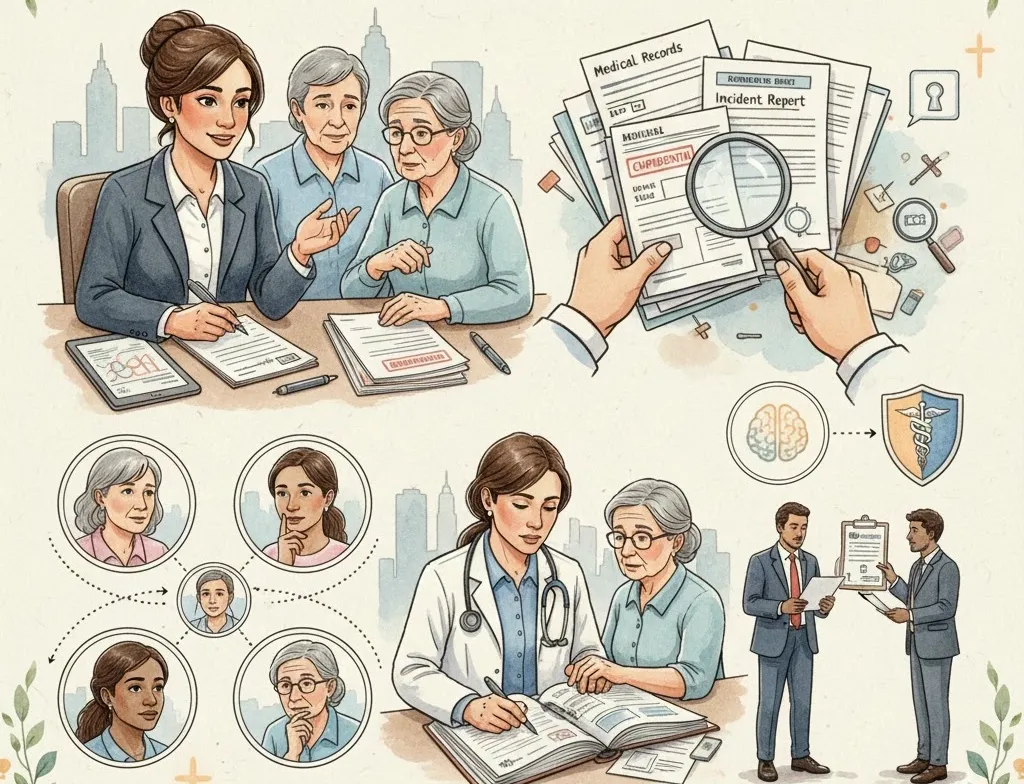
When healthcare professionals step into the courtroom, they’re often there to share something only they can provide: medical expertise. Legal cases often involve complicated topics like what caused an injury or whether a doctor provided the right kind of care. That’s where these experts come in; they take complicated health facts and make them understandable for judges, juries, and lawyers.
For example, a nurse might explain whether a patient received the correct medication at the right time. A surgeon might describe why a procedure didn’t go as planned. Their testimony can clarify what went wrong—or sometimes, prove that nothing wrong happened at all.
One important way this expertise is used is through medical expert witness services. These professionals provide insight during trials and help the court understand crucial medical facts. They explain science in plain language and offer opinions on whether decisions met acceptable care standards. Without them, sorting through the technical details would be nearly impossible.
In cases involving medical malpractice, personal injury, or workers’ compensation, these insights can be as vital as fingerprints in criminal investigations. They help uncover the truth.
Breaking Down Complicated Terms
Legal and medical language can feel like a foreign language. Let’s simplify a few terms.
Burden of Proof
This is a courtroom term you might hear a lot. One side’s job—usually the person bringing the case—is to prove their version of the story. Imagine you lost your favorite toy and accused your little brother of breaking it. If it happened during your storytime hour, your burden of proof might be showing the broken toy and explaining why only he had access to it.
Standard of Care
Doctors are expected to act in ways another professional in their position would. This expectation is called the standard of care. For instance, if a doctor treats a fever, the standard of care might be running tests or offering medication. If they don’t follow this and the patient gets worse, they could end up in court.
Here’s a quick scenario: A patient goes to the ER with chest pain. The standard of care is to rule out a heart attack first. If the doctor dismisses the pain as heartburn without proper tests and the patient later suffers a heart attack, questions about that care might come up in court.
Causation
In legal cases, causation means proving that one thing directly caused another. In a medical case, a lawyer might argue that skipping a test caused a patient’s condition to worsen. Think of it like a domino effect—one action set another in motion.
Scenarios That Connect the Dots
To see how this all matters, let’s look at a few real-life examples:
- Case 1: A Misdiagnosis in the Family
A patient with severe headaches is misdiagnosed with migraines when their symptoms were due to a leak in the fluid surrounding the brain. The family sues, claiming the delay in care caused permanent damage. A medical expert explains how the proper test would have identified the condition sooner and prevented harm. - Case 2: A Workplace Injury and Lost Wages
A construction worker falls and injures his back on-site. He says the fall was because of unsafe equipment. A medical professional shows how his injury matches the type of trauma from the faulty gear, helping him win financial support during recovery.
These situations remind us that the connection between healthcare and law isn’t abstract; it’s deeply personal. Families gain clarity, victims find justice, and, most importantly, lives improve.
Understanding this bridge between the two industries helps everyday people feel empowered if they ever need to walk that path themselves.
A Sense of Where It All Leads
When healthcare and law join forces, the stakes are incredibly high. A patient’s story, a doctor’s duty, and a family’s loss all hang in a delicate balance. The responsibility placed on medical professionals who testify in court isn’t something to take lightly. They play a unique role in shaping legal outcomes by translating human lives into understandable facts.
For those who want to learn more, this connection offers endless opportunities to see how justice and ethics work hand-in-hand. Whether you’re curious about medical expert witness services or just want a simpler way to understand legal-medical interactions, there’s always more to discover.
As we peek behind this courtroom-hospital curtain, it’s clear: this crossover touches everyone, and its impact is as life-changing as it is fascinating. It’s not just about understanding what goes on in court; it’s about seeing how these decisions ripple across families and communities.