 Leland D. Bengtson
As our loved ones age, families often place their trust in nursing homes, hoping that these facilities will provide the care, safety and dignity their loved ones deserve. However, not all nursing homes meet these expectations. In some cases, neglect and abuse occur, leaving residents vulnerable and often unable to defend themselves. When this trust is broken, nursing home abuse lawyers step in to seek justice, hold negligent parties accountable and ensure that victims receive the compensation they deserve.
This article gives insights into the crucial role of nursing home abuse lawyers, the common signs of abuse that families should be vigilant about and how legal action can protect the elderly from further harm. It also highlights the steps these attorneys take to build strong cases, the remedies available to victims and the preventative measures that can help reduce the risk of abuse in nursing homes.
What Is Nursing Home Abuse?
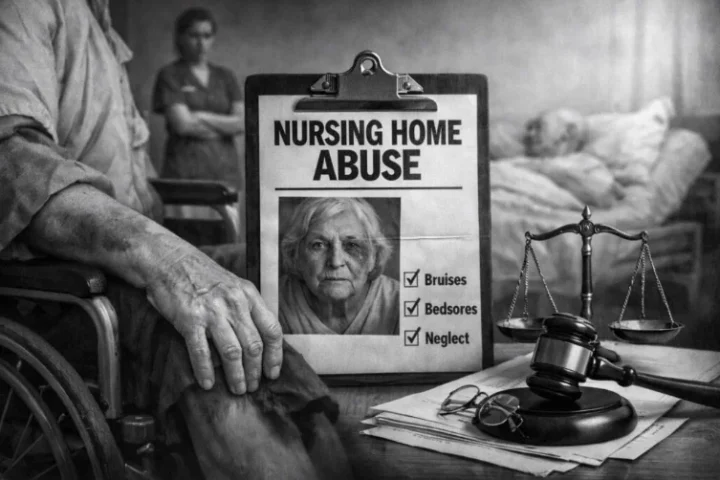
Nursing home abuse refers to various forms of mistreatment by staff or others involved in the care of residents. These can include physical, emotional, sexual or financial harm, as well as neglect.
- Physical Abuse: This includes causing bodily harm to a resident through actions such as hitting, slapping, pushing or the inappropriate use of restraints. This can also involve inadequate care that leads to injury, such as failure to reposition a bedridden person, resulting in bedsores.
- Emotional Abuse: Emotional abuse can take many forms, including verbal assaults, threats, intimidation or isolation. This form of abuse may be less visible but can cause long-lasting psychological damage to the victim.
- Sexual Abuse: Any non-consensual sexual contact or harassment falls under this category. Unfortunately, it often goes unreported due to the vulnerability of the victims.
- Neglect: Neglect is perhaps the most widespread form of abuse and involves failing to provide basic needs such as food, water, medications and hygiene. It also includes ignoring a resident’s emotional needs, resulting in isolation and depression.
- Financial Exploitation: This includes the illegal or unethical use of a resident’s funds or assets, such as forging signatures, stealing money or manipulating financial documents.
The Prevalence of Abuse
According to the World Health Organization, about 1 in 6 individuals aged 60 or older experience some form of elder abuse in community or institutional settings. Yet, the true scope of nursing home abuse is difficult to determine because it often goes unreported. Victims may fear retaliation, may be unable to communicate or may not recognize the abuse as harmful due to cognitive decline. As a result, nursing home abuse often remains hidden and families may be unaware of the mistreatment until it’s too late.
The Role of Nursing Home Abuse Lawyers
Nursing home abuse lawyers are essential in protecting the rights of elderly individuals who have been harmed or neglected in a care facility. These specialized attorneys work tirelessly to expose abuse, hold perpetrators accountable and seek the compensation victims deserve.
Advocating for Victims and Their Families
Nursing home abuse lawyers specialize in elder law, which involves cases related to the mistreatment of older individuals. Their key responsibilities include:
- Holding Negligent Facilities Accountable: Nursing home abuse lawyers work to identify the causes of abuse, whether it is due to inadequate training, understaffing or intentional misconduct and take legal action against the responsible parties.
- Securing Compensation: Legal experts help families recover damages for medical expenses, pain and suffering, emotional distress, lost wages (for caregivers) and other financial losses caused by abuse.
- Preventing Future Abuse: Lawyers also seek systemic changes within nursing homes to prevent future harm. This can involve lobbying for better regulations, increased oversight and stricter penalties for nursing homes that fail to meet care standards.
Key Steps in Handling Cases
Nursing home abuse lawyers follow a structured process to build strong cases for their clients. This includes:
- Initial Consultation and Case Evaluation: During the first meeting, lawyers assess the case to determine whether there is enough evidence to proceed. They will review details such as the circumstances of the abuse and whether legal action is viable.
- Evidence Gathering: Successful cases rely on solid evidence. Lawyers gather medical records, witness statements, photographs, inspection reports and anything else that may support the claim of abuse. This evidence will help prove that neglect or harm occurred.
- Filing Claims or Lawsuits: Based on the evidence, lawyers will file civil lawsuits or assist with criminal investigations. The legal process may vary depending on whether the case involves civil claims for compensation or criminal charges against perpetrators.
- Negotiating Settlements: Lawyers may negotiate with nursing homes or other parties to reach a settlement outside of court. However, they are prepared to take cases to trial if necessary to ensure the victim’s rights are upheld.
Signs of Nursing Home Abuse
Physical Indicators
Families should watch for the following physical signs, which may indicate abuse or neglect:
- Unexplained Bruises or Cuts: Injuries that cannot be adequately explained or are inconsistent with the resident’s medical history.
- Frequent Falls or Injuries: Nursing homes are required to maintain a safe environment for residents. A high number of falls or injuries may signal inadequate care or improper supervision.
- Signs of Restraint: Marks on wrists, ankles or necks may indicate the use of physical restraints, which are only acceptable under specific conditions and must be used according to regulations.
Behavioral Changes
Changes in behavior can often signal emotional or psychological abuse:
- Withdrawal from Social Activities: A resident who suddenly withdraws from social interactions may be experiencing abuse or neglect.
- Fearfulness or Agitation: Fear of certain staff members, along with signs of agitation or distress, may be linked to emotional or physical abuse.
- Sudden Changes in Mood or Personality: These can be signs of mistreatment, especially if they occur without a clear medical reason.
Neglect-Related Symptoms
Neglect often manifests in physical and psychological ways, such as:
- Bedsores or Pressure Ulcers: These are preventable injuries caused by prolonged pressure on the skin and are common signs of neglect.
- Malnutrition or Dehydration: When a resident isn’t being properly cared for, they may show signs of poor nutrition, dehydration or weight loss.
- Poor Hygiene or Unsanitary Conditions: Unkempt living spaces and neglect of personal hygiene can signal a lack of attention from staff.
Financial Red Flags
Financial abuse may include:
- Unexplained Withdrawals: Sudden or frequent withdrawals from a resident’s bank account can indicate financial exploitation.
- Changes to Financial Documents: Any sudden modifications to wills, power of attorney or other legal documents should raise concern.
- Missing Belongings or Cash: The disappearance of personal property or money is a common indicator of theft by caregivers or other individuals.
How Lawyers Build a Strong Case
Nursing home abuse lawyers gather a range of evidence to support their clients’ claims. This evidence can include:
- Medical Records: These can demonstrate neglect or injuries caused by abuse, including bedsores, malnutrition or trauma.
- Inspection Reports: These reveal whether the facility has violated state or federal regulations or failed to meet standards of care.
- Witness Testimonies: Statements from other residents, their families or staff members can provide vital information regarding abuse or neglect.
- Video Surveillance: If available, footage from cameras within the facility can serve as strong evidence of the abuse.
Establishing Liability
To hold a nursing home accountable, lawyers must establish:
- Duty of Care: The facility owed the resident a duty to provide safe and adequate care.
- Breach of Duty: The facility failed to meet this duty through negligence or intentional harm.
- Causation: The breach of duty directly led to the resident’s suffering or injury.
Legal Remedies Available
Victims of nursing home abuse have several legal options to seek justice:
- Civil Lawsuits: Victims and their families can pursue lawsuits for economic damages (medical expenses, relocation costs, lost income) and non-economic damages (pain and suffering, emotional distress).
- Criminal Charges: In severe cases, criminal charges may be filed against abusers. Lawyers can work with law enforcement to ensure justice is served.
- Regulatory Complaints: Filing complaints with regulatory agencies can result in penalties for the facility, including fines or closures.
Preventing Nursing Home Abuse
To reduce the risk of abuse, families should:
- Research Facilities Thoroughly: Check reviews, visit the facility and review inspection reports before making a choice.
- Visit Frequently: Regular visits help monitor your loved one’s well-being and may deter potential abusers.
- Encourage Open Communication: Create a trusting relationship with your loved one so they feel comfortable discussing any concerns.
Conclusion
Nursing home abuse is a serious and often hidden issue that can have devastating effects on victims and their families. If you suspect your loved one is suffering from abuse or neglect, it’s crucial to act immediately. A compassionate and experienced Baltimore nursing home abuse lawyer can guide you through the legal process, ensuring perpetrators are held accountable and that your loved one receives the justice and compensation they deserve. Together, we can protect our elders and uphold their dignity and respect.