 Aarthy Venkat Head - Strategy at SignDesk
Most people get this wrong in one of two directions. They call a lawyer over a $200 dispute, or they wait eight months after a serious accident to ask anyone for help. Both mistakes cost money.
The real question isn’t “should I get a lawyer?” It’s “what do I actually stand to lose here?”
For minor stuff, you genuinely don’t need one. A speeding ticket where you weren’t going dangerously over the limit. A small claims dispute with a contractor who ghosted you with $3,000 of your money. A security deposit your landlord is sitting on past the legal deadline. These are manageable without paying $300 an hour.
Small claims court in Texas handles disputes up to $20,000. You show up, bring your receipts and photos, keep your explanation under five minutes. That’s the whole process.
Landlord keeping your deposit? Most states require return within 14 to 30 days after move-out. Miss that window and many states hand you double or triple the amount automatically. You don’t need an attorney for that. You need the rule, the proof, and the willingness to file.
Now here’s where people underestimate what they’re walking into.
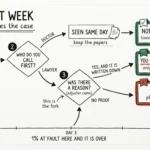
If you were in a car accident and ended up in the hospital, in physical therapy, or still dealing with pain three weeks later, stop. Don’t give a recorded statement to the other driver’s insurance company. Don’t accept the first offer. Don’t assume the adjuster calling you two days after the crash has your interests anywhere near the top of their list.
They don’t. Their job is to close your file at the lowest number they can get you to accept. That’s not cynicism. That’s the actual job description.
A Brian White lawyer handles this exact situation constantly — clients who took a fast call from an adjuster, gave a statement before they understood how serious their injuries were, and locked themselves into a bad settlement before anyone told them what their case was actually worth. That first week matters more than most people realize.
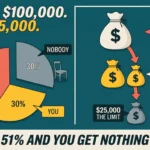
Personal injury attorneys work on contingency. Nothing upfront. They take a percentage of your settlement, usually 25% to 40%, which means their incentive is tied directly to your outcome. If you want to understand how injury claims are structured before you talk to anyone, reviewing injury law basics at FindLaw will at least give you the vocabulary. But reading about injury law and navigating a real claim with medical liens, comparative fault arguments, and an insurance carrier pushing back are not the same experience.
Criminal charges. No gray area.
Even a misdemeanor conviction can follow you for years on background checks, housing applications, and professional licenses. Public defenders are an option but they’re overloaded. If you can afford private counsel, use it. This is not the category where you figure it out yourself.
Divorce Is Where People Get Hurt Financially
Uncontested divorce, no kids, no shared property, minimal debt? Your state’s self-help court forms probably cover it.
The moment children or a house or retirement accounts enter the picture, you need representation. Custody arrangements and division of a 401(k) have consequences that stretch decades forward. A bad divorce decree can take years and tens of thousands of dollars to undo. If your spouse has an attorney and you don’t, you’re negotiating against a professional. That gap rarely closes in your favor.
Employment disputes depend entirely on what happened. Unpaid wages under a few thousand dollars with clean documentation? Many states have a free labor board process. File it yourself.
Wrongful termination or discrimination is a different situation entirely. Proving intent, moving through EEOC processes, ending up in federal court. Trying to handle that without an attorney almost always backfires. Employment attorneys take these cases on contingency when the evidence is solid. Ask.
One more that people skip until it’s too late: wills. If you own a home, have kids under 18, or have assets worth more than $50,000, a properly drafted will from an estate attorney costs $500 to $1,500. One time. The cost of getting it wrong lands on your family, not on you.
If someone files a lawsuit against you and you’ve been served papers, you have a deadline. Most states give you 20 to 30 days to respond. Miss it and the court can enter a default judgment, meaning the other side wins without you presenting anything at all.
Read every document handed to you. Write down every date. Call an attorney the same day if you can.
What Actually Moves a Settlement
Most cases never go to trial. What moves the number is whether the other side thinks you’ll fight.
Insurance companies and defense teams track attorneys. They know which ones litigate when a case calls for it and which ones fold at low offers. Attorney Brian White Personal Injury Lawyers in Houston carry a specific reputation in the Houston market because they go to verdict when it’s necessary. That reputation affects how claims settle before a single negotiation even formally starts.
The outcome of your case has a lot to do with who represents you, not just what happened to you.
Three questions that actually cut through the noise:
What’s the worst realistic outcome if this goes badly? A $400 fine, handle it yourself. Your house, your kids, your income, your freedom? Get an attorney.
Is there a professional on the other side? If there’s a corporation, an insurance company, or an opposing attorney, and you’re unrepresented, you’re already behind.
Is there a deadline you might miss? In Texas, the statute of limitations for personal injury is two years from the date of injury. One day late and the case is gone regardless of how strong it was. An attorney tracks this. You probably won’t.
Most personal injury attorneys offer free consultations. Bring your documents, describe what happened clearly, and let them tell you honestly whether you have a case. The ones worth working with will tell you if you don’t.
The cases that end badly are almost always the ones where someone waited too long to ask.