 Esq (Personal Injury Lawyer)
New Mexico’s personal injury law is the product of cases that have made the national news. From a scalding coffee to questions of tort reform, and from trucking verdicts in the eight figures upward to nine-figure totals–these are all examples which illustrate how New Mexico allocates liability.
If you can grasp these principles, anyone who is raising a claim will benefit. The differing methodology in New Mexico (as opposed to its immediate neighbors) is highlighted here–notably for its absolutely Saturday night high school football-type pure comparative negligence system which allows recovery even when the injured party was partially at fault.
What This Covers:
- New Mexico’s pure comparative negligence rule and how it affects recovery.
- Product liability and the duty to warn consumers.
- Corporate negligence and employer liability for employee actions.
- Premises liability and landlord obligations.
- Wrongful death claims and punitive damages.
- Real verdicts that demonstrate these principles in action.
1. Pure Comparative Negligence: You Can Share Fault and Still Recover
New Mexico follows a pure comparative negligence system under NMSA 1978, § 41-3A-1. This means an injured person can recover damages even if they were partially responsible for the accident — their award is simply reduced by their percentage of fault.
How it works:
| Your Fault | Damages Awarded | Your Recovery |
|---|---|---|
| 0% | $100,000 | $100,000 |
| 20% | $100,000 | $80,000 |
| 50% | $100,000 | $50,000 |
| 80% | $100,000 | $20,000 |
Why this matters: Many states use modified comparative negligence, barring recovery entirely if the plaintiff is 50% or 51% at fault. New Mexico doesn’t. Even at 99% fault, you can still recover 1% of damages.
The Case That Made It Famous: Liebeck v. McDonald’s (1994)
The most misunderstood personal injury case in American history happened right here in New Mexico.
The facts: 79-year-old Stella Liebeck purchased coffee from a McDonald’s drive-through in Albuquerque. While parked, she placed the cup between her knees to add cream and sugar. The cup tipped, spilling 180-190°F coffee onto her lap. She suffered third-degree burns requiring skin grafts and two years of medical treatment.
What the jury found:
- McDonald’s had received 700+ prior burn complaints but maintained the same temperature policy.
- The coffee was served 30-40 degrees hotter than home-brewed coffee.
- McDonald’s was 80% at fault for serving unreasonably dangerous coffee.
- Liebeck was 20% at fault for spilling it.
The verdict:
- $160,000 compensatory damages (reduced to $128,000 after her 20% fault deduction).
- $2.7 million punitive damages (reduced by the judge to $480,000).
- Final settlement: Confidential, reportedly under $600,000.
Legal principle demonstrated: Pure comparative negligence allowed Liebeck to recover despite contributing to the accident. Her 20% fault reduced — but didn’t eliminate — her compensation.
2. Product Liability: When Companies Fail to Warn
Product liability claims in New Mexico hold manufacturers and sellers responsible when defective or unreasonably dangerous products cause injury. Three theories apply:
- Manufacturing defects — The product deviated from its intended design.
- Design defects — The product’s design itself is unreasonably dangerous.
- Failure to warn — The company didn’t adequately warn consumers of known risks.
Liebeck Revisited: The Failure to Warn
The McDonald’s coffee case also established critical product liability principles.
What the evidence showed:
- McDonald’s required franchises to serve coffee at 180-190°F.
- At that temperature, liquid causes third-degree burns in 2-7 seconds.
- Home coffee brewers typically serve at 135-140°F.
- McDonald’s knew of the burn risk from hundreds of prior claims.
- The cups contained no adequate warning about the temperature danger.
Why punitive damages applied: The jury found McDonald’s conduct showed “reckless disregard” for consumer safety. They had the data, understood the risk, and chose profit over precaution.
The takeaway: Companies that ignore known dangers face both compensatory and punitive exposure in New Mexico courts.
3. Corporate Negligence and Employer Liability
When an employee causes injury while working, the employer may be liable under the doctrine of respondeat superior — Latin for “let the master answer.” But liability extends further when the company itself acted negligently in hiring, training, or supervising that employee.
Fed Ex Company Truck in Fatal Crash: 165 M Jury Verdict (2011-2015)
At the time of verdict, this was the largest personal injury award in New Mexico history.
The facts: A fed ex truck plunges into the front of a pickup truck on Interstate 10, killing a Las Cruces mother and her four year-old daughter. At the trial we found that drugs for diagnosed sleep problems had been taken by driver — and fed ex knew it.
What the jury found:
- FedEx was aware the driver had a medical condition affecting alertness.
- The company allowed him to continue operating commercial vehicles.
- Corporate policies prioritized delivery schedules over safety protocols.
The verdict: $165 million, including substantial punitive damages
The appeal: FedEx challenged the verdict to the New Mexico Supreme Court. The court unanimously upheld the award, affirming that corporations cannot escape responsibility by claiming ignorance of risks they should have addressed.
Legal principles demonstrated:
| Doctrine | Application |
|---|---|
| Respondeat superior | FedEx liable for driver’s actions during employment |
| Negligent retention | Company knew of driver’s condition but kept him on the road |
| Wrongful death | Damages for loss of life, future earnings, consortium |
| Punitive damages | Corporate indifference to known safety risks |
4. Wrongful Death Claims in New Mexico
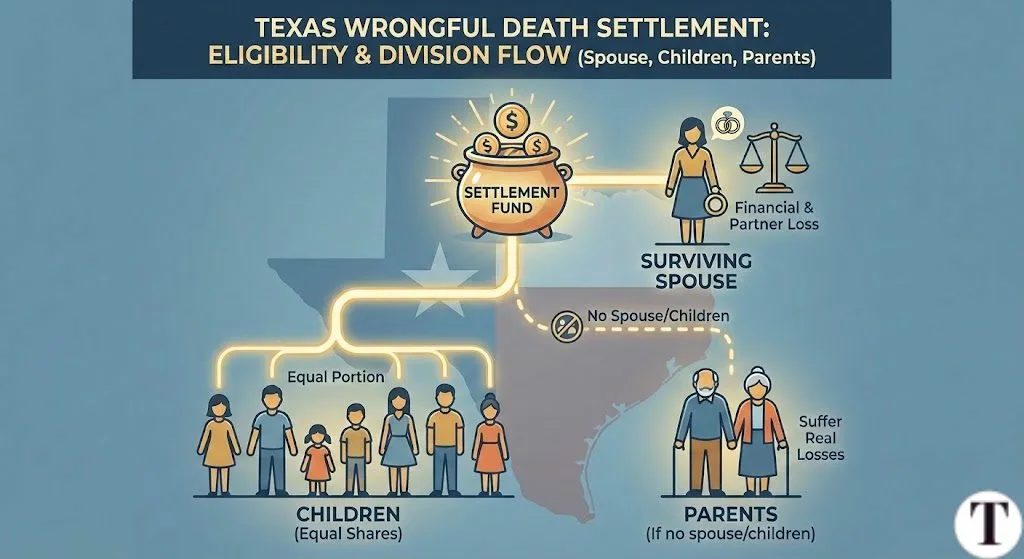
When negligence causes death, New Mexico’s Wrongful Death Act (NMSA 1978, § 41-2-1 et seq.) allows surviving family members to pursue compensation.
Who can file:
- Personal representative of the deceased’s estate
- On behalf of surviving spouse, children, and other dependents
Damages available:
- Medical expenses incurred before death.
- Funeral and burial costs.
- Lost income and future earning capacity.
- Loss of companionship, guidance, and consortium.
- Pain and suffering experienced by the deceased before death.
- Punitive damages (in cases of reckless or willful conduct).
Statute of limitations: Three years from the date of death
The FedEx Case: What Wrongful Death Damages Look Like
The $165 million FedEx verdict included compensation for:
- A mother’s lifetime of lost earnings and household contributions.
- A four-year-old’s entire lost future — education, career, relationships.
- The father/husband’s loss of consortium and companionship.
- Punitive damages reflecting FedEx’s corporate negligence.
This verdict demonstrates how New Mexico courts value life — and how they punish companies that treat safety as optional.
5. Premises Liability: Property Owners Must Maintain Safe Conditions
Property owners in New Mexico owe varying duties of care depending on who enters their property:
| Visitor Type | Duty Owed |
|---|---|
| Invitees (customers, tenants) | Highest duty — must inspect for and fix hazards |
| Licensees (social guests) | Must warn of known dangers |
| Trespassers | Generally no duty (exceptions for children) |
Carbon Monoxide Poisoning: $28.5 Million Verdict
The facts: A New Mexico woman suffered severe carbon monoxide poisoning from an improperly maintained apartment furnace. The landlord had failed to inspect, service, or repair the heating system despite tenant complaints.
What the jury found:
- The landlord knew or should have known the furnace was dangerous.
- Failure to maintain the property directly caused the poisoning.
- The injuries were catastrophic and permanent.
The verdict: $28.5 million
Legal principle demonstrated: Landlords cannot ignore maintenance obligations. When they do, and tenants suffer harm, premises liability exposes them to significant damages.
Key factors in premises liability cases:
- Did the owner know about the hazard?
- Should they have known through reasonable inspection?
- Did they fail to fix or warn about the danger?
- Did that failure directly cause the injury?
6. Workplace Injuries: Beyond Workers’ Compensation
Most workplace injuries are handled through workers’ compensation — a no-fault system that provides benefits regardless of who caused the accident. But when a third party (not the employer) causes the injury, or when the employer’s conduct was intentionally harmful, civil claims become available.
Movie Set Spinal Cord Injury: $66 Million Verdict (2022)
The facts: A Los Angeles cameraman suffered a spinal cord injury while working on a New Mexico movie set in 2016. The production company allegedly failed to maintain safe working conditions.
The verdict: A Santa Fe jury awarded $66 million in 2022.
Why this wasn’t just workers’ comp:
- The injured worker wasn’t a direct employee of the defendant.
- The claim alleged negligence beyond normal workplace risks.
- Catastrophic spinal injuries warrant damages far exceeding workers’ comp limits.
What this case illustrates:
- Film productions owe the same safety duties as any employer.
- Third-party liability claims allow recovery beyond workers’ comp.
- Catastrophic injuries (paralysis, brain damage) command substantial verdicts.
7. Trucking Accidents: Federal Regulations Add Liability Layers
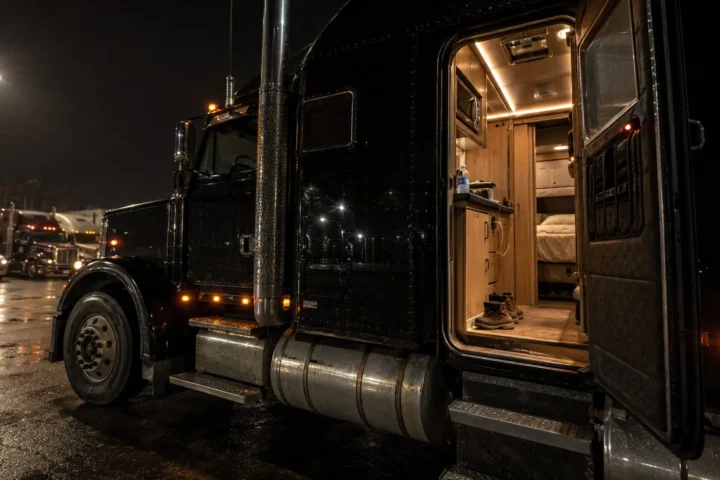
Commercial trucking accidents involve both state negligence law and Federal Motor Carrier Safety Regulations (FMCSRs). Violations of federal rules can establish negligence per se — meaning the violation itself proves breach of duty.
Commercial Truck Accident: $7.8 Million Federal Verdict (2019)
The facts: A serious collision involving a commercial truck resulted in catastrophic injuries. The case was tried in U.S. District Court in New Mexico.
The verdict: $7.8 million — one of the largest truck accident verdicts in state history.
Federal regulations that commonly apply:
| Regulation | Requirement |
|---|---|
| Hours of Service | Limits on driving time to prevent fatigue |
| Drug and Alcohol Testing | Pre-employment and random testing required |
| Vehicle Maintenance | Regular inspections and repair documentation |
| Driver Qualification | Medical certifications, background checks |
| Electronic Logging Devices | Automatic tracking of driving hours |
Why trucking cases often result in large verdicts:
- Commercial trucks cause catastrophic injuries due to size and weight.
- Trucking companies have substantial insurance policies.
- FMCSR violations provide clear evidence of negligence.
- Corporate defendants (not just individual drivers) can be held liable.
8. Pursuing a Personal Injury Claim in New Mexico
Every case follows a similar framework, though complexity varies with the facts.
Key steps:
- Seek medical treatment — Document injuries immediately.
- Preserve evidence — Photos, witness contacts, accident reports.
- Report the incident — Police reports, property owner notifications.
- Understand deadlines — New Mexico’s statute of limitations is generally three years for personal injury, three years for wrongful death.
- Evaluate liability — Determine who was at fault and to what degree.
- Calculate damages — Medical bills, lost income, future costs, pain and suffering.
What affects claim value:
| Factor | Impact on Value |
|---|---|
| Injury severity | More serious = higher damages |
| Liability clarity | Clear fault = stronger negotiating position |
| Available insurance | Coverage limits affect practical recovery |
| Comparative fault | Your percentage reduces your award |
| Punitive conduct | Reckless behavior = potential punitive damages |
Working with experienced Albuquerque personal injury lawyers helps injured individuals navigate these factors, deal with insurance adjusters, and meet critical deadlines. Firms like Strong Law Accident & Injury Attorneys focus specifically on representing people harmed by negligence throughout New Mexico.
Final Word
New Mexico personal injury law balances accountability with fairness. The pure comparative negligence system ensures injured people can recover even when they share fault. Product liability rules hold companies responsible for known dangers. Premises liability requires property owners to maintain safe conditions. And corporate negligence doctrine ensures businesses cannot hide behind employees when their own policies cause harm.
The cases that shaped these principles involved real people — a grandmother burned by coffee, a family killed by a drowsy driver, a cameraman paralyzed on set, a tenant poisoned by a neglected furnace. Their verdicts established the rules that protect future victims.
Understanding those rules is the first step toward recovery.
References
- NMSA 1978, § 41-3A-1 (Comparative Fault)
- NMSA 1978, § 41-2-1 et seq. (Wrongful Death Act)
- Liebeck v. McDonald’s Restaurants, P.T.S., Inc., No. CV-93-02419 (N.M. Dist. Ct. 1994)
- Federal Motor Carrier Safety Regulations, 49 CFR Parts 390-399
- New Mexico Supreme Court decisions on punitive damages and corporate liability