 Jeffrey S. Kelly Group PLLC (Real Estate)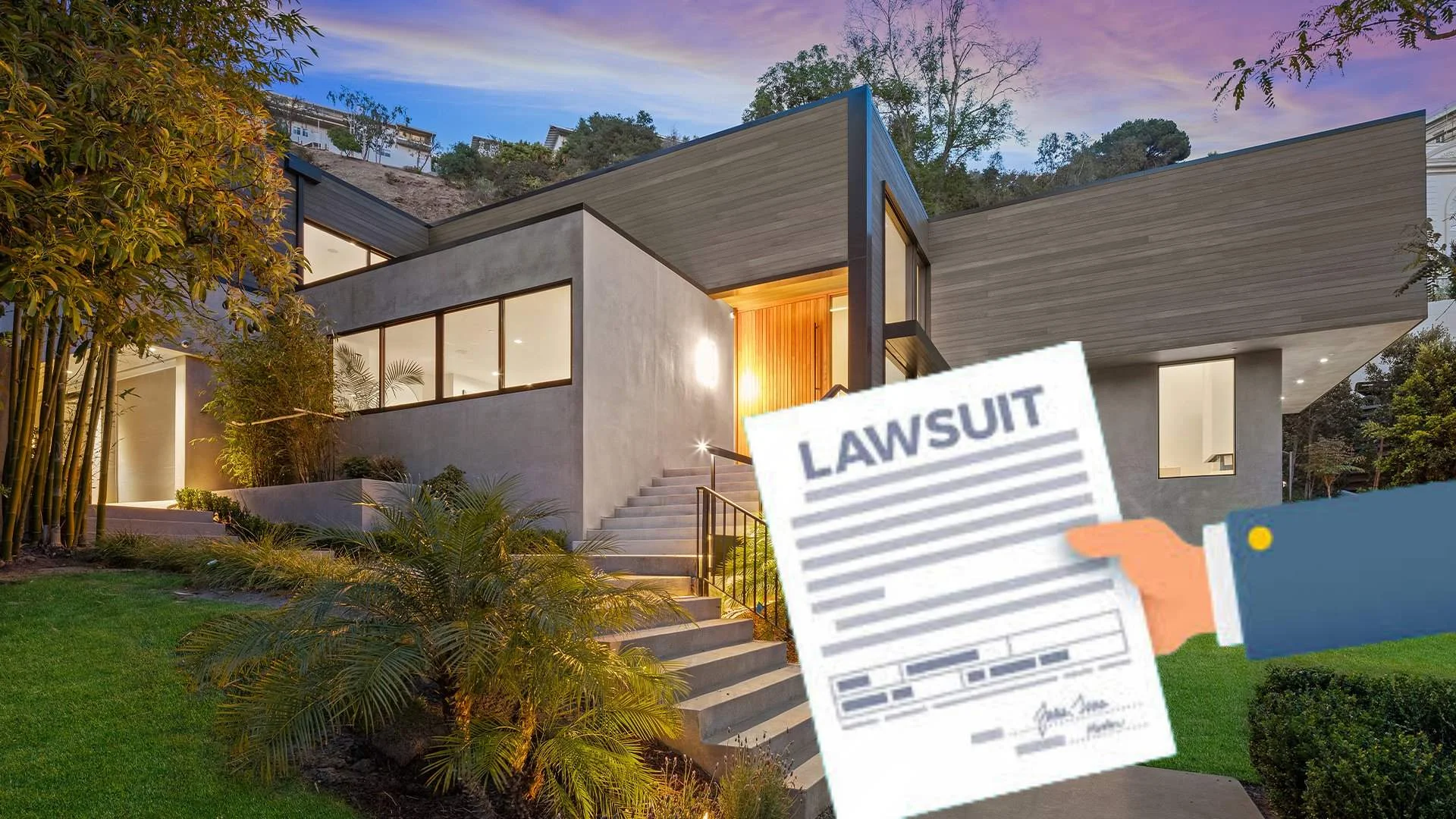
When billionaire Joshua Harris hired Taconic Builders for his Southampton estate, he joined a growing list of clients, contractors and subcontractors now fighting the company in court. From a 2010 mass employee exodus to multiple 2025 payment disputes, this investigation reveals a pattern that should concern anyone considering a seven-figure construction project.
The Company: Who Is Taconic Builders?
Founded: Mid-1980s (1986).
Headquarters: Mamaroneck, New York.
Specialty: Ultra-high-end private residences exclusively.
Geographic Reach:
- New York (Manhattan, Mamaroneck)
- California (Los Angeles)
- Florida (Miami, West Palm Beach)
- Satellite offices: London, Jackson WY
Typical Projects:
- $5M – $50M custom estates.
- Manhattan penthouses.
- Hamptons oceanfront compounds.
- Historic mansion restorations.
- Works with celebrity architects (Robert A.M. Stern, Steven Harris, etc.)
Revenue Estimate: $70M+ annual volume (historical peak).
Employee Count: Undisclosed, but suffered major talent loss in 2010.
The Promise vs. The Reality
| What Taconic Promises | What Court Records Show |
| “Outstanding reputation” | Multiple lawsuits 2024-2025 |
| “Highest standards in workmanship” | 22-33% of projects have payment issues |
| “Full service general contractor” | Evidence of projects without written contracts |
| “Client satisfaction” paramount | Billionaire client now in lawsuit |
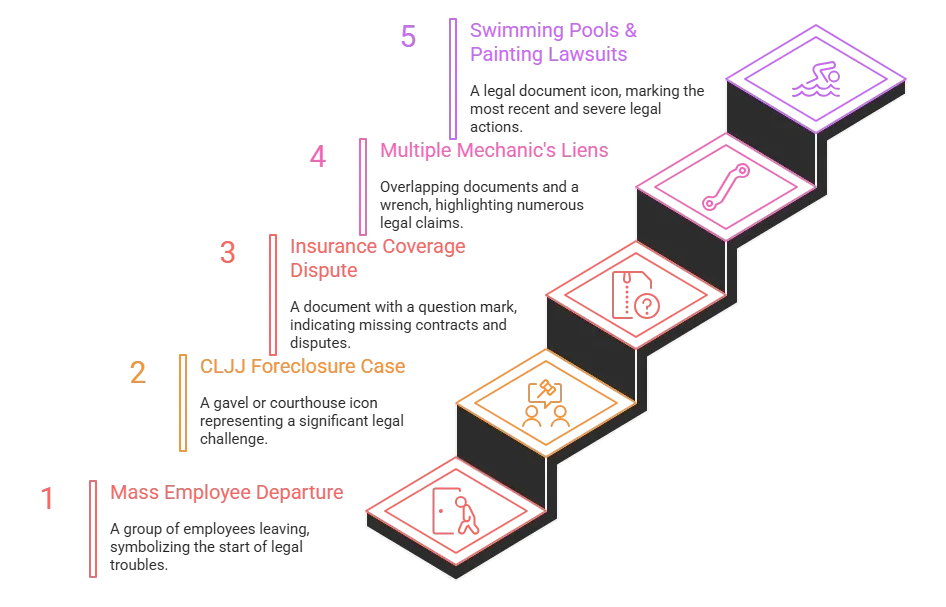
- 2010: Mass employee departure lawsuit.
- 2018: CLJJ Construction foreclosure case.
- 2019: Insurance coverage dispute reveals missing contracts.
- 2024: Multiple mechanic’s lien cases.
- 2025: Ron Gibbons Swimming Pools + Prelude Painting lawsuits.
Case Study #1: The 2010 Mass Exodus – When 7 Key Employees Quit in One Day
The Players
Nicholas S.G. Stern: Executive Vice President, son of renowned architect Robert A.M. Stern.
His Achievement: Grew Taconic’s NYC volume from $7M to $70M in 5 years (2002-2010).
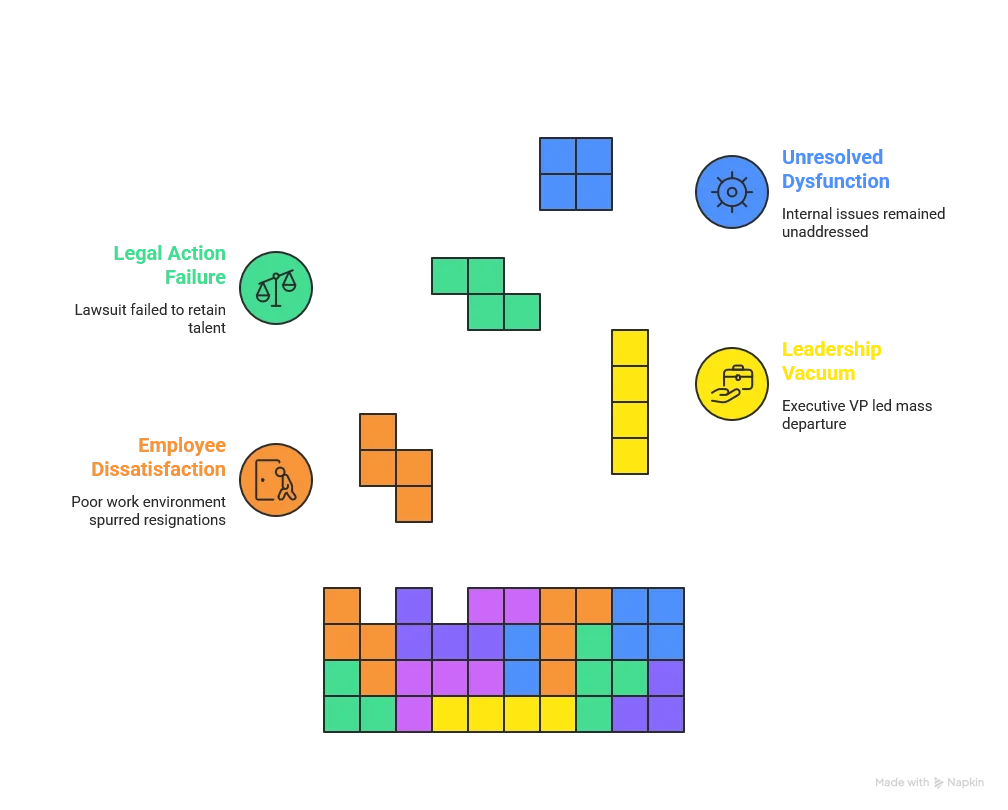
His Team: 6 key employees including two VPs and multiple site supervisors.
What Happened: March 3, 2010
Morning:
- Nicholas Stern resigned as Executive VP.
- Made phone calls to close colleagues.
- Within hours, 6 additional employees resigned.
The Exodus List:
- Alexander Carey – Vice President
- John Huthwaite – Project Manager
- Joseph Huthwaite – Site Supervisor
- Nick Banks – Site Supervisor
- Gerald Garry – Site Supervisor
- Kathleen Brosnan – Assistant Project Manager
All seven immediately began work at Stern’s new company: Stern Projects LLC
Taconic’s Response: The Lawsuit
Filed: Spring 2010
Claims:
- Violation of noncompete agreements.
- Theft of trade secrets.
- “Calculated surreptitious effort” to sabotage business.
- Conspiracy to take over existing Taconic projects.
Alleged Damages: Undisclosed, but involved $70M annual operation disruption
The Defense
Stern’s Key Arguments:
- “There are no trade secrets in construction – we’re not making Coca-Cola”.
- No conspiracy, just individual decisions to follow a respected leader.
- Employees wanted better work environment.
- Taconic exaggerated innocent details.
Quote from Alexander Carey: “When Nick said he was leaving to start his own company, I got about four words out before I said, ‘I’m going with you no matter what.'”
The Outcome
Settlement Date: June 17, 2010 (just 3 months after resignations)
Terms: Undisclosed
Result: Stern Projects LLC continues operating today
Current Status:
- Stern Projects: Still in business, 15 years later.
- Nicholas Stern: Principal of successful NYC boutique construction firm.
- Taconic Builders: Never publicly recovered the talent/leadership gap.
Why This Matters
Red Flag Analysis:
| Issue | Implication |
| 7 employees quit same day | Severe management problems |
| Executive VP led exodus | Leadership crisis at top |
| Company filed lawsuit | Couldn’t resolve internally |
| Quick settlement | Taconic knew case was weak |
| Never replaced talent | Long-term operational damage |
Key Takeaway: When an Executive VP and his entire team flee to start a competitor, it signals deep internal dysfunction. The 2010 exodus may explain Taconic’s subsequent project management and payment issues.
Case Study #2: The Billionaire’s Lawsuit – Josh Harris & The Southampton Pool Dispute
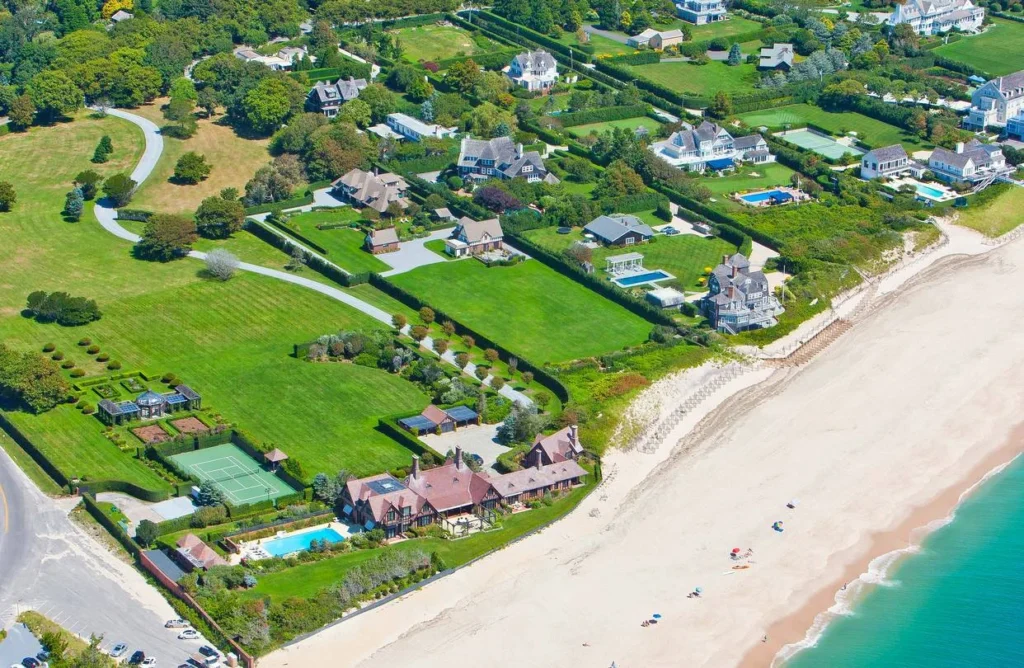
The Client: Joshua Harris
Net Worth: Multi-billions
Companies Founded: Apollo Global Management (major private equity firm)
Sports Teams Owned:
- Philadelphia 76ers (NBA).
- New Jersey Devils (NHL).
- Washington Commanders (NFL) – $6 billion purchase.
- Crystal Palace FC (English Premier League).
Real Estate: Multiple high-end properties including 140 Gin Lane, Southampton (purchased for $60M in 2008)
The Lawsuit: Ron Gibbons Swimming Pools Inc. v. Taconic Builders (2025)
Filed: February 17, 2025
Court: Suffolk County Supreme Court
Case Number: 604180/2025
Case Type: Commercial Contract Dispute
Defendants:
- Taconic Builders, Inc.
- Eastside Homestead LLC (Harris family property company)
- Joshua Harris (personally)
- Marjorie Harris (personally)
What We Know
Court Filings:
| Date | Filing | Significance |
| Feb 17, 2025 | Summons + Complaint | Case initiated |
| Feb 17, 2025 | Exhibit A: Contract | Work at “50 East 69th Street” |
| Feb 17, 2025 | Exhibit B: Submittal #12 | Payment request documentation |
| Feb 17, 2025 | Exhibit C: Submittal #13 | Retainage dispute |
| Feb 18, 2025 | Amended Summons | Corrections filed |
The Plaintiff: Ron Gibbons Swimming Pools
- Experience: 48+ years in business.
- Reputation: Ranked #22 on 2022 Top 50 Builders (Pool & Spa News).
- Specialty: Ultra-high-end custom pools for Long Island elite.
- Awards: Multiple design innovation awards.
The Critical Questions
Why sue the property owners personally?
- General contractor (Taconic) likely not paying.
- Subcontractor has lien rights against property.
- Property owners may be withholding payment from Taconic.
- Creates pressure for faster resolution.
Why include both contract exhibits and retainage documents?
- Suggests work was completed per contract.
- Final payment (typically 10% retainage) being withheld.
- Common pattern: quality dispute or payment chain breakdown.
What’s the connection to “50 East 69th Street”?
- Either multiple Harris properties in dispute.
- Or billing/accounting issue spanning projects.
- Court exhibits reference Manhattan address despite Southampton property listing.
The Pattern: It’s Not Just One Subcontractor
Prelude Painting Corp. v. Taconic Builders + Eastside Homestead LLC.
Filed: May 9, 2025 (3 months after Ron Gibbons lawsuit).
Same Property Company: Eastside Homestead LLC = Harris family.
Timeline:
- May 9: Complaint filed.
- May 19: Both Taconic and Eastside Homestead served.
- July 11: Taconic files COUNTERCLAIMS against Prelude Painting.
- July 22: Two attorneys file appearances for defendants.
- July 29: Extension granted for Eastside Homestead response.
Critical Insight: Taconic’s counterclaims suggest they’re alleging Prelude Painting did defective work. This escalates beyond simple non-payment.
The Math That Should Terrify You
Two subcontractors + Same property company + Same time period = Major project in crisis
If both Ron Gibbons (pools) and Prelude Painting (finishes) are suing over the same Southampton Harris estate, it means:
✗ Multiple trades aren’t getting paid.
✗ General contractor (Taconic) has cash flow crisis.
✗ Property owners (Harrises) are withholding payment.
✗ Project likely incomplete or has serious defects.
✗ Total disputed amount probably $500K-$2M+.
Case Study #3: The Abandoned Mansion – $56 Million Dream, $19 Million Nightmare
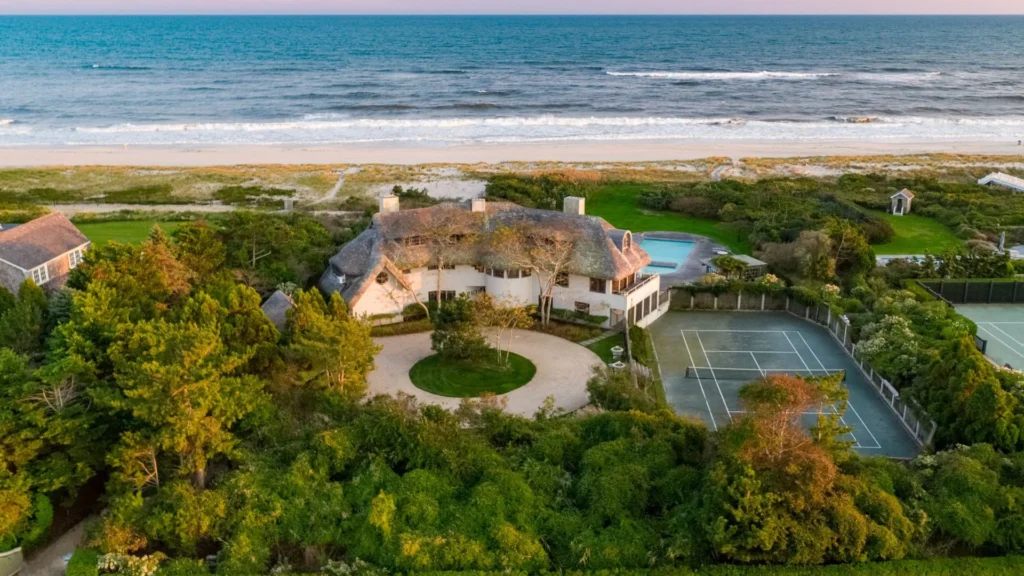
The Project: 1320 Meadow Lane, Southampton
Property Details:
- Location: Meadow Lane oceanfront (Southampton’s most exclusive street)
- Land Size: 8.1 acres
- Zoning: R80 (2-acre minimum)
- Land Purchase Price: $37,127,900
- Estimated Construction Cost: $19,000,000
- Total Investment: $56+ million
Planned Structure:
- 18,000 square feet (main house).
- Moroccan-inspired architecture.
- Pyramid and conical roof peaks.
- Numerous arched windows/entrances.
- Sandstone appearance.
- 1,700 sq ft swimming pool (oceanfront).
- Tennis court.
- Attached and detached garages.
Builder of Record: Taconic Builders, Inc.
The Timeline of Disaster
| Year | Event | Red Flag |
| 2012 | Construction begins | – |
| 2014 | Building permit dispute | $247,500 fee called “illegal tax” |
| 2018 | Architect changes (Kirk → Rose) | Mid-project architect change = problems |
| Sept 2018 | Architect Rose withdraws completely | Architects don’t abandon unless serious issues |
| 2019 | New project manager brought in | Sandpebble PM trying to salvage project |
| Dec 2019 | Construction stopped 6+ months | Attorney cites “issue with contractor” |
| 2019+ | Demolition considered | Owner may tear down $19M investment |
| 2025 | Status unknown | No public records of completion |
What Went Wrong?
Attorney Gil Flanagan (representing owner Meadowcore LLC) stated:
- “There’s been no final decision as to what is going to happen”.
- Did NOT deny demolition was being considered.
- “There was an issue with the contractor, which is why the project is currently on hold”.
- Refused to name contractor due to “pending litigation”.
But public records listed Taconic Builders as the builder.
The Red Flags
🚩 Seven-year construction timeline (2012-2019) for 18,000 sq ft house = major problems.
🚩 Architect withdrew mid-project = ethical/professional conflict likely.
🚩 Second project manager brought in = original management failed.
🚩 Six+ month construction halt = financial or legal crisis.
🚩 Attorney won’t name contractor = active litigation.
🚩 Demolition considered = construction so defective it’s cheaper to start over.
The Financial Devastation
For Owner (Meadowcore LLC):
- $37M in land (already paid).
- $19M in construction (partially paid, incomplete).
- Property taxes on $56M asset (generating $0 income).
- Legal fees (active litigation).
- Carrying costs (insurance, maintenance of incomplete structure).
- Opportunity cost (capital tied up for 13+ years).
Possible Outcomes:
- Completion by different contractor – adds $5M-$10M to budget.
- Demolition and restart – lose entire $19M construction investment.
- Sell as-is at massive loss – buyers demand 50%+ discount for risk.
- Litigation for years – legal fees exceed original budget.
Why This Is the Most Visible Symbol of Taconic’s Problems
Unlike lawsuits buried in court files, this mansion sits on one of America’s most exclusive streets, visible proof that Taconic Builders:
- Cannot complete mega-projects on time.
- Faces “issues” serious enough to halt work completely.
- Leaves clients considering demolition over completion.
- Gets into disputes that spawn “pending litigation”.

Case Study #4: The Payment Pattern – Multiple Lawsuits Tell the Same Story
Premium Energy Solutions v. Taconic Builders (July 2025)
Filed: July 29, 2025
Court: Los Angeles County Superior Courts
Jurisdiction: California (Taconic’s West Coast operations)
Case Type: Civil – Real Property
Status: Open, hearing scheduled
Key Detail: Complaint identifies Taconic as “A CONNECTICUT CORPORATION” despite operating in California for years-suggests incorporation/jurisdiction issues.
Significance: Problems aren’t isolated to New York. West Coast operations also facing legal action.
Taconic Builders v. East 67th Acquisition LLC (October 2024)
Filed: October 4, 2024
Court: New York County Supreme Court
Case Type: Civil – Real Property
Plaintiff: Taconic Builders (for once, THEY’RE suing)
Court Exhibits Filed:
- Exhibit A: Notice of Lien
- Exhibit B: Order Extending Lien
- Exhibit C: Partial Satisfaction of Lien
- Notice of Pendency (lis pendens – warning to potential buyers)
What This Means:
| Action | Translation |
| Notice of Lien filed | Taconic claiming unpaid amount secured by property |
| Order Extending Lien | Original deadline passed, needed more time |
| Partial Satisfaction | Owner paid SOME but not all disputed amount |
| Lis Pendens | Property can’t be sold/refinanced until resolved |
Status: Open (unresolved as of 2025)
Critical Insight: Even when Taconic is the plaintiff claiming THEY weren’t paid, they can’t close the case. Suggests either:
- Owner disputes work quality/completion.
- Amount in dispute too large for quick settlement.
- Taconic’s documentation insufficient to prove claim.
- Both sides dug in for protracted litigation.
CLJJ Construction v. Taconic Builders (May 2018)
Filed: May 11, 2018
Court: Suffolk County Supreme Court
Case Type: Property – Foreclosure
Status: Dismissed (February 2019)
Multiple Defendants:
- Taconic Builders, Inc.
- Chesterfield Associates, Inc.
- Mulco, Inc.
- Coastal Metals Inc.
- CMM Sitework, Inc.
- DJ Custom Homes Corp.
- True Mechanical Corp.
What a Foreclosure Lawsuit Means:
- Contractor claims property owner owes money.
- Contractor filed mechanic’s lien.
- Owner didn’t pay lien amount.
- Contractor now trying to FORCE SALE of property to collect debt.
- Nuclear option in construction disputes.
Outcome: Case dismissed after motions and cross-motions
Why This Matters Even Though Dismissed:
- Foreclosure is the most aggressive remedy in construction law.
- Only filed when other collection methods failed.
- Multiple construction companies involved = complex project with widespread payment issues.
- Even though dismissed, reveals Taconic projects can spiral into multi-party litigation nightmares.
| Case | Year | Type | Taconic Role | Status | Red Flag Level |
| CLJJ Foreclosure | 2018 | Foreclosure | Defendant | Dismissed | 🔴🔴🔴 High |
| Insurance Dispute | 2019 | Coverage | Third Party | Decided | 🔴🔴 Medium |
| East 67th Lien | 2024 | Collection | Plaintiff | Open | 🔴🔴 Medium |
| Ron Gibbons Pools | 2025 | Contract | Defendant | Open | 🔴🔴🔴 High |
| Prelude Painting | 2025 | Contract | Defendant | Open | 🔴🔴🔴 High |
| Premium Energy | 2025 | Real Property | Defendant | Open | 🔴🔴 Medium |
Pattern Recognition:
- 6 major cases in 7 years = chronic litigation.
- 4 cases filed in 2024-2025 = escalating problems.
- 2 cases involving same client (Harris/Eastside Homestead) = project crisis.
- Mix of plaintiff/defendant roles = disputes from multiple directions.
- Multiple jurisdictions (NY, CA) = company-wide issues, not isolated.
The Payment Data: What Contractors Report
Levelset Platform Analysis
Levelset tracks contractor payment experiences across 71 documented Taconic Builders projects. Here’s what subcontractors reported:
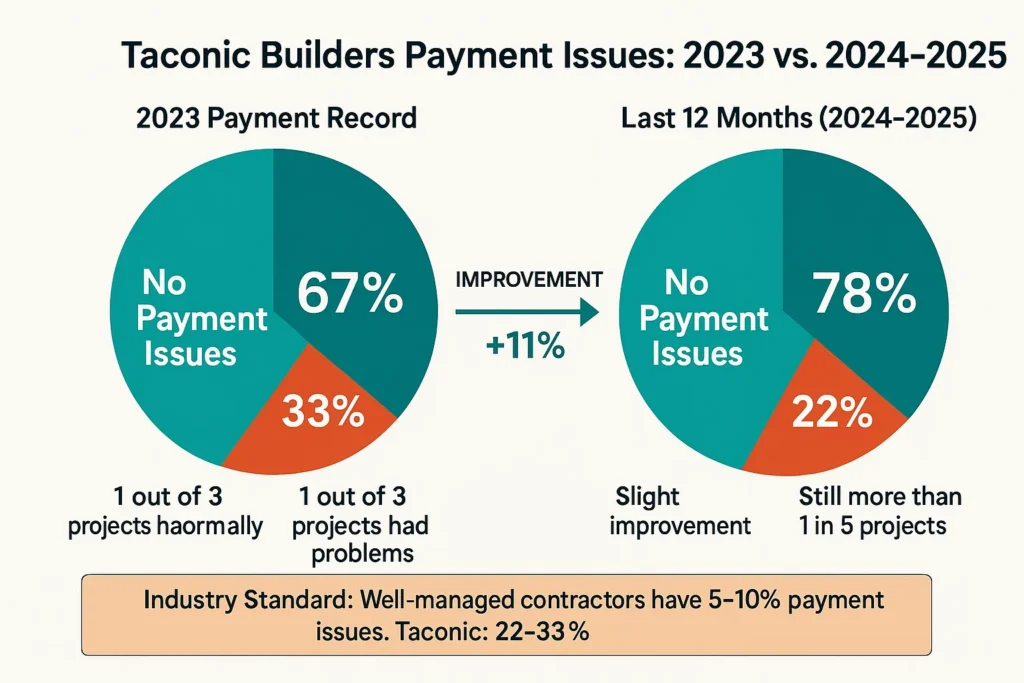
2023 Payment Data
| Metric | Percentage | Translation |
| Projects with NO issues | 67% | 2 out of 3 projects paid normally |
| Projects WITH issues | 33% | 1 out of 3 projects had problems |
Last 12 Months (2024-2025)
| Metric | Percentage | Translation |
| Projects with NO issues | 78% | Slight improvement |
| Projects WITH issues | 22% | Still more than 1 in 5 projects |
Industry Comparison
| Company Type | Expected Issue Rate | Taconic’s Rate |
| Well-managed GCs | 5-10% | 22-33% |
| Average GCs | 10-15% | 22-33% |
| Troubled GCs | 20%+ | 22-33% |
Conclusion: Taconic’s payment issue rate is 2-3x higher than well-managed contractors and places them in “troubled” category.
What Contractors AREN’T Reporting
Data NOT Available on Levelset:
- ❌ Average days to payment.
- ❌ Typical contract pay terms.
- ❌ Retainage practices.
- ❌ Response time to payment inquiries.
Why the silence?
- Non-disclosure agreements.
- Fear of retaliation/blacklisting.
- Pay terms vary wildly project-to-project.
- Contractors who get paid don’t report; those who don’t are in litigation.
The Real-World Translation
If you’re a subcontractor bidding a Taconic project:
- 22-33% chance you’ll have payment problems.
- Means 1 in 3 to 1 in 4 odds of late payment, partial payment or litigation.
- Like Russian roulette with 2 bullets in a 6-chamber gun.
If you’re a property owner hiring Taconic:
- 22-33% chance your project will involve subcontractor payment disputes.
- Those disputes often lead to mechanic’s liens on YOUR property.
- You may end up paying contractors twice (once to Taconic, once to unpaid subs).
- Legal fees, delays and stress are virtually guaranteed.
The Insurance Scandal: Working Without Written Contracts

The Case: Peleus Insurance v. Atlantic State Development (2019-2020)
Federal Court: Southern District of New York.
The Trigger: Workplace injury of Taconic employee Michael Winters (fell January 23, 2019).
The Shocking Discovery
From Court Records:
“There was no written contract or agreement between Atlantic State Development and Taconic Builders, Inc. which includes an obligation on behalf of Taconic Builders, Inc. to name Atlantic State Development as an additional insured on it’s insurance policy.”
Read that again: Taconic performed construction work with NO WRITTEN CONTRACT.
Why This Is Catastrophic
What Written Contracts Prevent:
| Without Contract | With Contract | Who Gets Hurt |
| No insurance requirements | GC must carry coverage + name owner as insured | Owner, injured workers |
| No payment terms | Clear schedule tied to milestones | GC, subs, owner |
| No scope definition | Detailed specifications | Everyone argues over what was agreed |
| No change order process | Written approval required | Cost overruns explode |
| No warranty terms | Clear responsibility for defects | Owner has no recourse |
| No dispute resolution | Arbitration/mediation required | Lawsuits cost 10x more |
What Happened in This Case
The Chain of Failure:
- Atlantic hired Taconic (no written contract).
- Taconic employee injured on site.
- Employee sued Atlantic + property owner.
- Atlantic sought insurance coverage.
- Insurance company (Peleus) denied coverage because Atlantic lacked required contract with Taconic.
- Atlantic left holding the bag for injury lawsuit with no insurance protection.
Court Ruling: Peleus had no duty to defend Atlantic because Atlantic violated policy requirements by working with Taconic without proper written contract.
The Broader Implication
One case of missing contract = accident
Pattern of missing contracts = business practice
Combined with:
- Multiple payment disputes.
- Abandoned projects.
- Subcontractor lawsuits.
- Multi-million dollar projects stalling.
Suggests: Taconic has systemic problems with basic contract administration, project documentation and business fundamentals.
Red Flags: What Every Property Owner Must Know
Before Signing with ANY High-End Contractor
DO YOUR HOMEWORK (2-4 Weeks Minimum)
✅ Court Records Search
- Search in EVERY county where contractor operates.
- Look for: mechanic’s liens, breach of contract, foreclosure actions.
- Red flag: More than 1-2 cases in 5 years.
✅ Levelset.com Check
- Free contractor payment history.
- Look for: payment issue percentage, project count, contractor reports.
- Red flag: Issue rate above 15%.
✅ Reference Checks (But Do It Right)
- Don’t just call references contractor provides.
- Ask: “What subcontractors did you use? Can I call them directly?”
- Contact 3-5 subcontractors who worked on projects.
- Ask subs: “Were you paid on time? Would you work with them again?”
✅ Insurance Verification
- Demand certificate of insurance (COI) is NOT enough.
- Call insurance company directly to verify coverage is active.
- Require: $5M+ general liability for luxury projects.
- Require: You be named “additional insured” (get it in writing from insurer).
- Red flag: Contractor hesitates or provides outdated COIs.
✅ Financial Stability
- Request audited financial statements (last 2 years).
- If they refuse: Walk away or require payment/performance bond.
- Check for: tax liens, bankruptcy filings, major judgments.
- Red flag: Any signs of financial distress.
Contract Must-Haves (Non-Negotiable)
WRITTEN CONTRACT REQUIREMENTS:
| Clause | What It Must Include | Why It Matters |
| Scope of Work | Every detail, specification, brand, finish | Prevents “that’s extra” charges |
| Payment Schedule | Tied to completed milestones, not dates | You don’t pay for incomplete work |
| Retainage | 10% held until final completion + liens cleared | Your leverage for completion |
| Change Orders | Must be in writing, signed, with price | Prevents surprise bills |
| Insurance | Specific coverage amounts, you as additional insured | Protects you from injury lawsuits |
| Lien Waivers | Required with every payment | Prevents subs filing liens |
| Warranties | 1 year minimum on all work | Fixes defects after completion |
| Dispute Resolution | Arbitration or mediation required first | Avoids $200K+ litigation |
| Attorney Fees | Loser pays winner’s legal fees | Discourages frivolous disputes |
If contractor pushes back on ANY of these: WALK AWAY.
During Construction: Warning Signs
🚨 STOP PAYMENTS IMMEDIATELY IF:
- Subcontractor contacts you asking about payment.
- Material supplier shows up asking when they’ll be paid.
- Work slows/stops without clear explanation.
- Contractor requests payment ahead of schedule.
- Contractor vague about when subs were paid.
- You notice different subcontractors than originally proposed.
WHAT TO DO:
- Stop paying contractor (put disputed amount in escrow).
- Demand lien waivers from all subs/suppliers before next payment.
- Hire construction attorney (consultation usually $500-1000).
- Document everything (photos, emails, texts, payment records).
- Consider joint checks (payable to GC AND subcontractor together).
If Lawsuit Happens
YOUR LEGAL OPTIONS:
| Option | Timeline | Cost | Best For |
| Negotiation | 2-8 weeks | $0-$5K | Minor disputes, both sides reasonable |
| Mediation | 2-4 months | $10K-$30K | Medium disputes, want control over outcome |
| Arbitration | 6-12 months | $30K-$100K | Contract requires it, faster than court |
| Litigation | 1-3 years | $100K-$500K+ | Complex disputes, need court’s power |
CRITICAL: Construction defect claims have strict time limits (often 1-4 years depending on state). Don’t wait.
The Nuclear Option: Firing Your Contractor
WHEN TO FIRE MID-PROJECT:
- ✓ Repeated missed deadlines (30+ days behind schedule).
- ✓ Subcontractors filing liens.
- ✓ Work quality significantly below industry standards.
- ✓ Contractor becomes unresponsive (48+ hours to reply).
- ✓ Discovers work done without permits.
- ✓ Evidence of fraud (billing for work not done, inflated costs).
HOW TO FIRE PROPERLY:
- Document all failures/breaches in writing.
- Send formal notice of breach (certified mail).
- Give opportunity to cure (typically 10 days).
- If not cured, send termination letter.
- Secure the site (change locks, post no-trespass).
- Hire attorney to review your contract termination rights.
- Get independent inspection documenting defects.
- Hire completion contractor (get 3 bids).
- Sue original contractor for cost to complete + damages.
COST TO FIRE: Expect to pay 20-50% MORE to complete project with new contractor (they’re fixing someone else’s mess + assuming liability).
What This Means for You: The Bottom Line
If You’re Considering Hiring Taconic Builders
THE EVIDENCE:
- ❌ 2010 mass employee exodus (7 key employees in one day).
- ❌ 22-33% of projects have payment issues (2-3x industry average).
- ❌ Multiple 2024-2025 lawsuits (billionaire client, multiple subs).
- ❌ $56M abandoned Southampton mansion (7+ years, still incomplete).
- ❌ Evidence of working without written contracts.
- ❌ Foreclosure actions filed against their projects.
- ❌ Both plaintiff and defendant in multiple jurisdictions.
THE VERDICT: Extreme caution warranted.
IF YOU STILL PROCEED:
- Require payment & performance bonds (100% of contract value).
- Joint checks to all subcontractors.
- Weekly lien waiver requirements.
- Monthly financial statements.
- Right to audit books.
- Termination rights if any payment issues arise.
- Your attorney reviews contract (not their attorney).
If You’re a Contractor/Subcontractor
PROTECT YOURSELF:
Before Starting Work:
- ✓ File preliminary notice (required for lien rights in most states).
- ✓ Require 30% deposit before mobilization.
- ✓ Get payment & performance bond information.
- ✓ Verify property owner knows you’re on project.
- ✓ Get written contract (never verbal).
During Work:
- ✓ Submit invoices every 15 days (not monthly).
- ✓ Require payment within 15 days of invoice.
- ✓ Stop work if payment is 30+ days late.
- ✓ Document everything (photos, daily logs, emails).
- ✓ File mechanic’s lien if unpaid (don’t wait).
After Work:
- ✓ File final lien if final payment withheld.
- ✓ Must file within statutory deadline (60-120 days varies by state).
- ✓ Must enforce lien within 1-2 years or it expires.
- ✓ Consider small claims court for amounts under $10K.
THE MATH: If Taconic has 22-33% payment issue rate, you have 1 in 3 chance of problems. Price your bid 10-15% higher to account for this risk or decline the work.
Conclusion: When Prestige Doesn’t Equal Performance
Taconic Builders built beautiful homes for decades. Their portfolio includes stunning Manhattan penthouses, Southampton estates and nationally-recognized architectural projects. They’ve worked with the industry’s most celebrated architects and designers.
But the court records tell a different story.
The Facts:
- 6 major lawsuits in 7 years.
- 4 cases filed in 2024-2025 alone.
- Mass employee exodus never recovered from.
- Billionaire client now in litigation.
- $56 million mansion abandoned mid-construction.
- 1 in 3 projects involve payment disputes.
- Evidence of working without contracts.
The Pattern:
This isn’t bad luck. This is systematic dysfunction.
The Warning:
Reputation and portfolio photos don’t guarantee your project will succeed. Due diligence isn’t optional when spending $5M-$50M on construction. The time to discover payment problems, project management failures and litigation patterns is BEFORE you sign a contract, not after your dream home becomes your legal nightmare.
For property owners: Verify everything. Check court records. Talk to subcontractors. Require bonds. Get it all in writing.
For contractors: Protect your lien rights. Get paid frequently. Stop work if payments lag. Don’t finance a general contractor’s cash flow problems with your labor.
For the industry: When even established firms with prestigious portfolios can’t keep projects on track and contractors paid, something is fundamentally broken in high-end residential construction.
The Final Question
Would you hire a contractor with:
- ✗ 22-33% payment issue rate?
- ✗ Multiple current lawsuits?
- ✗ Abandoned $19M project?
- ✗ Evidence of missing contracts?
- ✗ Billionaire client suing them?
The answer should be obvious.