 Michael Foglio (Attorney In Georgia)
Suffering an injury due to someone else’s negligence creates immediate concerns about medical bills, lost wages, and recovery time. Georgia’s personal injury laws provide specific protections and procedures that injured parties need to understand when seeking compensation for their damages.
Understanding Personal Injury Law in Georgia
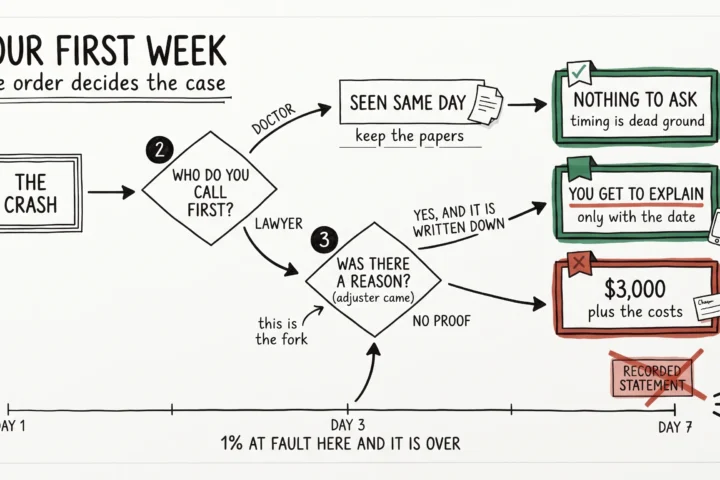
Personal injury law is a broad area that includes any case where an individual suffers harm due to another’s negligence or wrongful actions. These cases range from car accidents and slip-and-fall incidents to medical malpractice and workplace injuries. Georgia operates under a modified comparative negligence system, codified in O.C.G.A. § 51-12-33. This statute allows injured parties to recover damages even if they share some responsibility for the accident, provided their fault doesn’t exceed 50%. If you’re found 30% at fault for a car accident, you can still recover 70% of your total damages from the other party.
The Basics of Personal Injury Claims
In Georgia, personal injury claims are typically based on the legal theory of negligence. To succeed in such a claim, the injured party must prove:
- Duty of Care: The defendant owed a legal duty to the plaintiff.
- Breach of Duty: The defendant breached that duty through action or inaction.
- Causation: The breach directly caused the plaintiff’s injuries.
- Damages: The plaintiff suffered actual damages, such as medical expenses or lost wages.
Statute of Limitations in Georgia
O.C.G.A. § 9-3-33 establishes a two-year deadline for filing personal injury lawsuits from the date of injury. Missing this deadline typically results in permanent loss of your right to seek compensation through the courts.
- Discovery Rule Exception: The clock may start when you reasonably should have discovered the injury and its cause, particularly relevant in medical malpractice cases involving delayed diagnoses.
- Minors Protection: Children have until their 20th birthday to file claims for injuries that occurred before age 18, extending the normal two-year window.
- Government Claims: Injuries involving government entities require notice within six months under O.C.G.A. § 36-33-5, with lawsuits filed within 12 months.
- Product Liability Extension: Defective product cases follow a 10-year statute of repose from the product’s first sale, regardless of when injury occurs.
The statute stops running during periods when the defendant is absent from Georgia, ensuring they can’t avoid liability by leaving the state temporarily.
Additional Relevant Georgia Acts and Statutes
Self-Representation Challenges
- Settlement Limitations: Insurance adjusters often offer minimal settlements to unrepresented claimants, knowing they lack litigation leverage.
- Procedural Missteps: Filing deadlines, evidence preservation requirements, and court procedures create numerous opportunities for case-damaging errors.
- Medical Documentation Gaps: Individuals rarely understand which medical records and expert opinions strengthen their claims versus routine treatment notes.
- Negotiation Disadvantage: Adjusters are trained negotiators handling hundreds of claims annually, while most injured parties negotiate major settlements once in their lifetime.
Georgia’s comparative negligence system particularly benefits from professional representation, as attorneys understand how to minimize your fault percentage while maximizing the other party’s liability.
What to Look for in a Personal Injury Lawyer
Choosing legal representation versus handling your claim independently creates vastly different outcomes in settlement negotiations and court proceedings.
With Professional Representation
- Case Valuation Expertise: Experienced attorneys understand how Georgia courts calculate pain and suffering damages, often securing settlements 3-4 times higher than self-represented claimants.
- Insurance Company Leverage: Insurers treat attorney-represented claims more seriously, knowing they face potential litigation costs and higher jury verdicts if negotiations fail.
- Discovery Access: Lawyers can subpoena accident reports, surveillance footage, and expert witness testimony that individuals cannot easily obtain.
- Medical Testimony Coordination: Attorneys work with treating physicians to document injury severity and long-term prognosis, crucial for maximizing compensation.
- Contingency Fee Structure: Most personal injury attorneys work on contingency, requiring no upfront payment and only collecting fees from successful settlements or verdicts.
If you’re looking for a Georgia personal injury lawyer near you, it’s crucial to choose one who understands the nuances of state law, offers personalized attention, and has a proven track record of successful case results.
Role of a Personal Injury Attorney
Personal injury attorneys serve multiple functions beyond simple legal advice, managing complex claim processes that most individuals find overwhelming during recovery.
- Investigation and Evidence Gathering: Attorneys immediately secure accident scenes, interview witnesses, and preserve evidence before it disappears. They coordinate with accident reconstruction experts and obtain surveillance footage from nearby businesses or traffic cameras.
- Medical Care Coordination: Lawyers often direct clients to specialists who understand personal injury documentation requirements and can provide treatment on liens, ensuring proper medical care without upfront costs.
- Insurance Communication Management: All correspondence with insurance companies goes through your attorney, preventing recorded statements or admissions that could damage your claim.
- Settlement Negotiation Strategy: Experienced attorneys understand insurance company tactics and settlement patterns, using this knowledge to structure demands that maximize recovery while avoiding unnecessary litigation.
- Trial Preparation and Representation: When settlements prove inadequate, attorneys prepare comprehensive trial strategies, including expert witness coordination and jury selection, to present compelling cases for maximum damages.
The contingency fee arrangement aligns attorney interests with client outcomes, ensuring vigorous representation while protecting injured parties from additional financial stress during recovery.
Steps to Find the Right Injury Representation
Knowing what to look for is one thing—actually finding the right attorney requires a methodical approach. Here are the steps to take when seeking personal injury representation in Georgia.
Step 1: Start With Research
Begin your search by reading online reviews, asking friends or family for referrals, and browsing legal directories. Look for attorneys who focus specifically on personal injury and have strong testimonials from past clients.
Step 2: Schedule Consultations
Most personal injury attorneys offer free initial consultations. Use this opportunity to evaluate their approach, experience, and whether they make you feel comfortable and confident in their ability to represent you.
Step 3: Ask the Right Questions
Prepare a list of questions before your meeting. These might include:
- How many personal injury cases have you handled?
- What were the outcomes?
- Will you personally handle my case?
- What are your fees and billing practices?
- Do you have trial experience?
Red Flags to Avoid When Choosing an Attorney
Just as it’s important to know what to look for, it’s equally important to recognize warning signs that may indicate an attorney isn’t right for your case.
High Volume “Settlement Mills”
Some firms prioritize fast settlements over client interests. These “mills” may encourage you to accept lowball offers to move cases quickly. Avoid firms that don’t offer personalized attention.
Lack of Transparency
If a lawyer is vague about fees, unresponsive, or unwilling to explain your case in detail, consider looking elsewhere.
Overpromising Outcomes
No ethical attorney can guarantee results. Be cautious of anyone who promises specific outcomes or large settlements during the initial consultation.
Conclusion
Choosing the right injury representation in Georgia is a pivotal step in recovering from a personal injury. It’s not just about legal qualifications—it’s about trust, communication, and advocacy. By doing your due diligence, asking the right questions, and relying on reputable resources, you can find an attorney who will fight for the compensation and justice you deserve.
Whether you’re in Atlanta, Savannah, or anywhere in between, taking the time to find the right legal representation can make all the difference in your recovery journey.