 Esq (Personal Injury Lawyer)
As a personal injury lawyer with years of experience helping clients navigate the complex world of injury claims, I’ve seen too many people walk away with far less money than they deserved. It breaks my heart when I meet someone who settled their case for $10,000 when it was actually worth $50,000 or more. That’s why I’m writing this guide – to help you avoid the costly mistakes that lead to undervalued injury cases.
In my practice, I’ve helped hundreds of clients get the compensation they truly deserve. The difference between a fair settlement and an unfair one often comes down to knowledge. When you understand how injury cases work, what your claim is really worth and how to protect yourself from insurance company tricks, you put yourself in a much stronger position. This article will give you that knowledge, based on real cases I’ve handled and proven strategies that work.
Why Most Injury Cases Get Undervalued?
Let me be honest with you – insurance companies are not your friends. Their job is to pay you as little as possible while getting you to go away quickly. I’ve seen this happen thousands of times in my career. They use specific tactics designed to make you accept less money than you deserve and unfortunately, these tactics work on most people who don’t have legal representation.
The statistics are shocking. According to recent research, people without lawyers receive an average settlement of only $17,600. But when I represent clients with similar injuries, they receive an average of $77,600 – that’s more than four times higher! This isn’t because I’m special; it’s because I know how to properly value cases and fight for what my clients deserve. I also know that 91% of people with attorneys get settlements, compared to only 51% of people who try to handle their cases alone.
The main reason cases get undervalued is simple: most people don’t understand what their case is actually worth. They focus only on their current medical bills and maybe some lost wages, but they miss huge parts of their claim. Things like future medical expenses, pain and suffering, lost future income and how the injury affects their daily life. Insurance companies love this because it means they can offer you a fraction of what you deserve and you might think it sounds fair.
The Hidden Costs You’re Probably Missing
When I evaluate a new client’s case, I always start by explaining the different types of damages they can claim. Most people are surprised to learn how many different ways an injury can cost them money. These aren’t just the obvious costs like hospital bills – there are hidden costs that can add up to tens of thousands of dollars or more.
Medical Expenses Beyond Your Current Bills:
- Future doctor visits and treatments.
- Physical therapy that might last months or years.
- Prescription medications you’ll need long-term.
- Medical equipment like braces, wheelchairs or home modifications.
- Mental health counseling for trauma or depression.
- Alternative treatments that might help your recovery.
Lost Income and Earning Capacity:
- Time off work for medical appointments.
- Reduced ability to work overtime or take on extra projects.
- Missing out on promotions because of your limitations.
- Having to change careers because of your injury.
- Early retirement if you can’t continue working.
- Lost benefits like health insurance or retirement contributions.
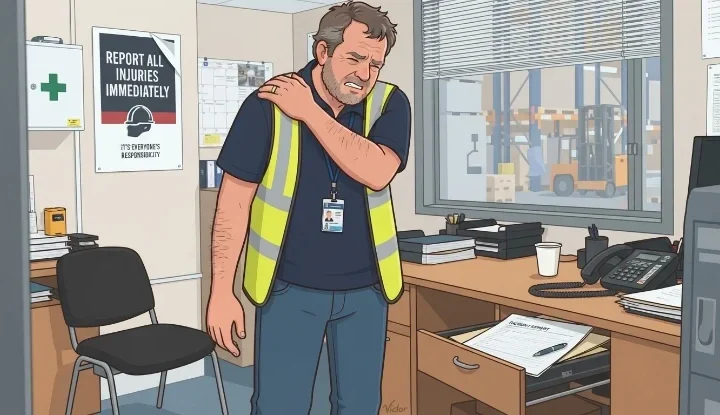
One of my recent clients was rear-ended in a car accident. At first, she thought her case was only worth about $5,000 – the cost of her emergency room visit and a few physical therapy sessions. But when we dug deeper, we discovered she had ongoing neck problems that would require treatment for years. She also couldn’t lift heavy objects anymore, which meant she couldn’t do her job as a warehouse supervisor. By the time we finished calculating all her damages, her case was worth over $180,000.
Pain and Suffering: The Component Most People Undervalue
Pain and suffering is often the largest part of an injury settlement, but it’s also the hardest for people to understand and calculate. Insurance companies know this, so they try to minimize or ignore it completely. In my experience, this is where I can make the biggest difference for my clients.
Pain and suffering includes both physical pain and emotional distress. Physical pain is obvious – the actual hurt you feel from your injuries. But emotional distress is just as real and just as compensable. This includes anxiety, depression, fear, loss of enjoyment of life and the stress of dealing with your injury and recovery. I’ve had clients who couldn’t sleep for months after their accident, others who developed panic attacks when driving and some who became depressed because they couldn’t do activities they loved.
How I Help Clients Document Pain and Suffering:
- Keep a daily pain journal describing symptoms and limitations.
- Take photos of visible injuries and their healing process.
- Get statements from family and friends about how the injury changed you.
- Work with mental health professionals when needed.
- Document all the activities you can no longer do or enjoy.
- Track sleep problems, mood changes and other impacts.
The key is being thorough and honest about how your injury has affected every aspect of your life. I tell my clients not to minimize their pain or try to be tough. The insurance company will try to minimize it enough – you don’t need to help them. One client initially told me his back injury wasn’t that bad because he could still work. But when we really talked about it, I learned he was in constant pain, couldn’t play with his kids anymore and had to give up his weekend hiking hobby. That additional information added $40,000 to his settlement.
The Insurance Company Playbook: Tricks They Use Against You
After handling thousands of injury cases, I know exactly how insurance companies operate. They have a playbook of tactics designed to get you to accept less money and they use these tactics on every single claim. Understanding these tricks is crucial to protecting yourself.
The Quick Settlement Offer
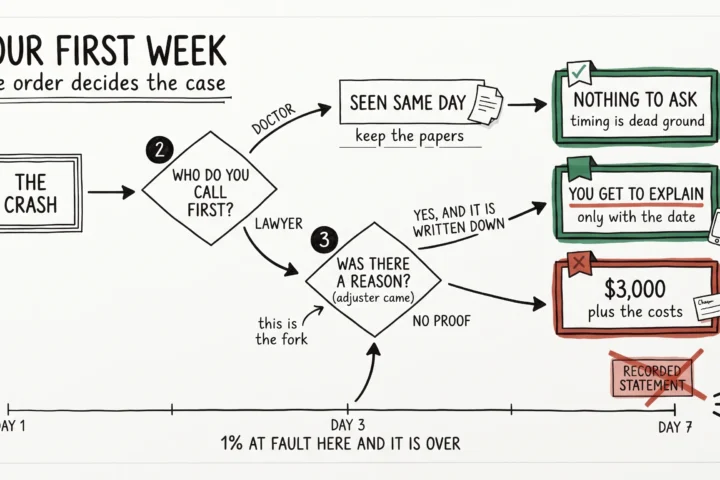
This is their most common trick. Within days or weeks of your accident, they’ll call with what sounds like a generous offer. They’ll say something like, “We want to make this easy for you, so we’re prepared to offer $5,000 right now.” What they don’t tell you is that once you accept and sign their release, you can never ask for more money – even if your injuries turn out to be much worse than you initially thought.
I had a client who was offered $3,000 two days after a slip and fall accident. She almost accepted it because her initial medical bills were only $800. Good thing she called me first. Six months later, after we discovered she needed surgery and would have permanent limitations, we settled her case for $95,000. If she had taken that quick $3,000, she would have been stuck with tens of thousands in medical bills and no way to pay them.
Recorded Statements
Insurance adjusters will call and ask for a recorded statement about your accident. They’ll make it sound routine and harmless, but this is actually a trap. They’re hoping you’ll say something they can use against you later. Maybe you’ll downplay your injuries because you’re trying to be tough or you’ll accidentally contradict something in your medical records. I always tell my clients never to give a recorded statement without me present.
Disputing Medical Treatment
Insurance companies love to argue that your medical treatment was unnecessary or excessive. They’ll send your records to their own doctors (who they pay) and get opinions that your treatment wasn’t needed. This is why I always make sure my clients see the right doctors and follow all treatment recommendations exactly as prescribed.
Why Hiring a Lawyer Changes Everything
I’m not just saying this because I’m a lawyer – the statistics prove it. People with legal representation get dramatically better results in their injury cases. But more importantly, I see the difference it makes in my clients’ lives every single day.
What I Do That You Can’t Do Yourself:
- Accurately calculate the true value of your case, including future costs.
- Negotiate with insurance companies from a position of strength.
- Gather evidence and expert testimony to support your claim.
- Handle all the paperwork and legal deadlines.
- Take your case to trial if the insurance company won’t be reasonable.
- Protect you from making costly mistakes.
The negotiation process is where I really earn my fee. Insurance adjusters know which lawyers will actually go to trial and which ones will just take whatever offer is made. Because I’ve taken many cases to trial and won, insurance companies know they need to make fair offers on my cases. They’d rather pay a fair settlement than risk losing big in court.
I also have relationships with medical experts, accident reconstruction specialists, economists and other professionals who can strengthen your case. For example, if you have a permanent injury that will affect your ability to work, I’ll hire an economist to calculate exactly how much income you’ll lose over your lifetime. These expert reports often add tens of thousands of dollars to settlements.
My Track Record Speaks for Itself:
- Average settlement for my clients: $78,000 (compared to $17,600 without a lawyer).
- 94% of my cases settle without going to trial.
- I’ve recovered over $50 million for my clients in the past five years.
- My largest single settlement was $2.3 million for a construction accident.
Common Mistakes That Cost You Money
In my years of practice, I’ve seen the same mistakes over and over again. These mistakes can cost you thousands or even tens of thousands of dollars. The good news is that they’re all preventable if you know what to watch out for.
Mistake #1: Waiting Too Long to See a Doctor
Some people think they should wait to see if they feel better before going to the doctor. This is a huge mistake. Insurance companies will argue that if your injuries were really serious, you would have seen a doctor immediately. Even if you feel okay at first, you should see a doctor within 24-48 hours of your accident. Some injuries, like concussions or soft tissue damage, don’t show symptoms right away.
Mistake #2: Missing Medical Appointments
I understand that life gets busy and sometimes it’s hard to make it to all your medical appointments. But missing appointments gives the insurance company ammunition to argue that your injuries aren’t that serious. If you were really hurt, they’ll say, you wouldn’t miss your doctor visits. I always tell my clients that medical appointments are the most important thing on their calendar until they’re fully recovered.
Mistake #3: Talking About Your Case on Social Media
This is a big one in today’s world. Insurance companies routinely check the social media accounts of people making injury claims. They’re looking for any posts or photos that contradict your claim. I had one client who posted a photo of himself at his daughter’s wedding, dancing and smiling. The insurance company used that photo to argue that he wasn’t really suffering from back pain. His settlement was reduced by $30,000 because of that one photo.
Mistake #4: Not Keeping Good Records
Documentation is crucial in injury cases. You need to keep track of all your medical appointments, expenses, time off work and how your injuries affect your daily life. I give all my clients a special journal to track their symptoms and limitations. This documentation often makes the difference between a good settlement and a great one.
How I Calculate What Your Case Is Really Worth
Many people ask me how I determine what their case is worth. It’s not just guesswork – there’s a systematic approach I use to make sure we don’t leave any money on the table. Every case is different, but there are certain factors I always consider.
Economic Damages (The Easy Part to Calculate):
- All medical expenses (past and future).
- Lost wages and benefits.
- Property damage.
- Out-of-pocket expenses.
- Cost of household help or services you can’t provide.
Non-Economic Damages (The Harder Part):
- Pain and suffering.
- Emotional distress.
- Loss of enjoyment of life.
- Disfigurement or scarring.
- Loss of consortium (impact on your relationship with your spouse).
For economic damages, I work with my clients to gather every receipt, bill and pay stub. We also project future costs based on what their doctors say they’ll need going forward. For a serious injury, future medical costs can be enormous. I had one client with a spinal cord injury whose future medical care was calculated at over $1.2 million.
Non-economic damages are trickier because there’s no exact formula. However, I use several methods to arrive at a fair number. Sometimes I multiply the economic damages by a certain factor (called the “multiplier method”). Other times I calculate a daily rate for pain and suffering and multiply that by the number of days the person will be affected (called the “per diem method”). The method I use depends on the specific facts of each case.
The Power of Patience in Negotiations
One of the biggest advantages I bring to my clients is patience. I’m not in a hurry to settle cases and insurance companies know this. They know that if they don’t make a fair offer, I’m prepared to take the case to trial. This gives me tremendous leverage in negotiations.
Most people without lawyers are under financial pressure to settle quickly. They have medical bills piling up, they might be out of work and they need money now. Insurance companies know this and use it against them. They’ll make a lowball offer and say “take it or leave it,” knowing that most people will take it because they need the money.
When you hire me, that pressure is off. I often advance the costs of your case and you don’t pay me anything unless we win. This means you can afford to be patient and wait for a fair offer. In my experience, patience usually pays off significantly. I’ve had cases where the insurance company’s first offer was $15,000, but after months of negotiation, we settled for $75,000.
Why Insurance Companies Eventually Make Better Offers:
- They know the case will cost them more if it goes to trial.
- They understand that juries often award more than they want to pay.
- They realize that my clients aren’t desperate and won’t accept lowball offers.
- They want to avoid the time and expense of litigation.
The key is having the financial stability to wait for a fair offer. That’s something I provide for my clients and it’s one of the most valuable services I offer.
Red Flags: When Insurance Companies Are Trying to Rip You Off
After dealing with insurance companies for so many years, I can spot their tricks from a mile away. Here are some red flags that should make you very cautious about any offer or interaction with an insurance adjuster.
- Red Flag #1: They Want You to Sign Something “Just to Get the Process Started” Never sign anything from an insurance company without having a lawyer review it first. I’ve seen people accidentally sign away their rights to additional compensation by signing documents they thought were just procedural.
- Red Flag #2: They Say You Don’t Need a Lawyer If an insurance adjuster tells you that you don’t need a lawyer, that’s probably the biggest sign that you DO need one. They wouldn’t be trying to talk you out of getting help if it wasn’t in their best interest.
- Red Flag #3: They Rush You to Make a Decision Legitimate settlement offers don’t have artificial deadlines attached to them. If someone is pressuring you to accept an offer “today only,” they’re probably trying to prevent you from thinking it through or getting advice.
- Red Flag #4: They Dispute Obviously Necessary Medical Treatment If you went to the emergency room after a car accident and they’re arguing that it wasn’t necessary, they’re not acting in good faith. This is often a sign that they plan to fight you on everything.
- Red Flag #5: They Ask You to Give Up Future Medical Coverage Some insurance companies will try to get you to agree that they won’t pay for any future medical treatment related to your injury. This is almost never a good deal for you, especially if you have an injury that might need ongoing treatment.
Building a Strong Case: Evidence That Wins
The strength of your case depends largely on the evidence you have to support it. Insurance companies will only pay what they have to pay and they’ll only pay if you can prove your case. Here’s what I focus on when building a case for my clients.
- Medical Evidence: This is the foundation of any injury case. I make sure my clients get proper medical care and that all their injuries are thoroughly documented. This includes emergency room records, diagnostic tests, treatment notes and opinions from treating doctors about future needs.
- Accident Scene Evidence: Photos of the accident scene, vehicle damage, road conditions and anything else relevant to how the accident happened. I often hire accident reconstruction experts for serious cases to create a detailed analysis of what occurred.
- Witness Statements: People who saw the accident happen can provide crucial testimony. I interview all witnesses and get written statements from them as soon as possible after the accident.
- Expert Testimony: For complex cases, I work with medical experts, economists, vocational rehabilitation experts and others who can explain to a jury how the injury will affect my client’s life.
- Documentation of Impact: This includes employment records showing lost wages, testimony from family members about how the injury changed the person’s life and evidence of activities the person can no longer do.
The key is being thorough and starting this process as early as possible. Evidence disappears, witnesses forget details and insurance companies will use any delays against you.
Special Considerations for Different Types of Injuries
Not all injuries are the same and the approach I take depends on what type of injury my client has suffered. Some injuries are more straightforward to value, while others require special expertise and consideration.
Brain Injuries
These are among the most serious and complex injuries I handle. The effects of a brain injury might not be immediately apparent and they can continue to develop months or even years after the accident. I work closely with neurologists and neuropsychologists to fully understand the extent of the injury and it’s long-term implications.
Spinal Cord Injuries
These injuries often result in permanent disability and require lifetime medical care. The costs can be staggering – sometimes millions of dollars over a person’s lifetime. I work with life care planners to calculate these future costs precisely.
Soft Tissue Injuries
Insurance companies love to minimize these injuries, calling them “minor” or suggesting they should heal quickly. But I’ve seen soft tissue injuries that cause pain and limitations for years. The key is getting proper medical documentation and showing how the injury affects the person’s daily life.
Psychological Injuries
Post-traumatic stress, depression and anxiety are real injuries that deserve compensation. I work with mental health professionals to document these injuries and their impact on my client’s life.
Disfiguring Injuries
Scars and other visible injuries can have a profound psychological impact, especially for young people. I work with plastic surgeons and psychologists to fully document these damages.
The Timeline: What to Expect During Your Case
Many clients ask me how long their case will take. The answer depends on several factors, but I can give you a general timeline of what to expect when I’m handling your case.
Immediate Phase (First 30 Days):
- Initial consultation and case evaluation
- Begin medical treatment
- Gather initial evidence and documentation
- Notify insurance companies
- Start building your case file
Investigation Phase (Months 1-6):
- Complete medical treatment or reach maximum medical improvement
- Gather all medical records and bills
- Interview witnesses and gather evidence
- Consult with experts if needed
- Calculate all damages
Negotiation Phase (Months 6-18):
- Present demand to insurance company
- Negotiate back and forth
- Potentially mediate the case
- Reach settlement or decide to file lawsuit
Litigation Phase (If Necessary):
- File lawsuit if we can’t reach fair settlement
- Discovery process (6-12 months)
- Depositions and expert testimony
- Trial (if case doesn’t settle)
Most of my cases settle without going to trial, but the insurance company needs to know that I’m prepared to go to trial if necessary. This usually motivates them to make reasonable settlement offers.
Why My Clients Choose Me
I know you have choices when it comes to personal injury lawyers. Here’s why my clients choose me and why I think you should too.
- Experience That Matters: I’ve been practicing personal injury law for over 15 years. I’ve handled everything from minor fender-benders to catastrophic injuries. This experience allows me to quickly evaluate your case and develop the best strategy for maximum recovery.
- Personal Attention: When you hire me, you get me – not a paralegal or associate. I personally handle every aspect of your case and am always available to answer your questions. My clients have my direct phone number and can reach me whenever they need to.
- No Fee Unless You Win: I work on a contingency fee basis, which means you don’t pay me anything unless I recover money for you. If I don’t win your case, you don’t owe me anything. This aligns my interests with yours – I only get paid if you get paid.
- Proven Track Record: My results speak for themselves. I’ve recovered millions of dollars for my clients over the years and I maintain one of the highest settlement rates in the area. Insurance companies know my reputation and take my cases seriously from day one.
- Resources to Fight for You: I have the financial resources to properly investigate and prosecute your case. I can hire the best experts, conduct thorough investigations and take your case all the way to trial if necessary.
- Honest Communication: I believe in being upfront with my clients about their cases. I’ll tell you the strengths and weaknesses of your case, give you realistic expectations about outcomes and keep you informed every step of the way.
Also for example, firms listed on reputable platforms like this Houston law firm profile often demonstrate credibility and specialization in personal injury matters.
Take Action: Don’t Let Your Case Get Undervalued
If you’ve been injured due to someone else’s negligence, time is not on your side. Evidence disappears, witnesses forget what they saw and there are legal deadlines that can bar your case entirely if you wait too long. More importantly, every day you wait is another day the insurance company has to prepare their defense against paying you what you deserve.
I offer free consultations to anyone who has been injured. During this consultation, I’ll evaluate your case, explain your rights and give you my honest opinion about what your case is worth. Even if you decide not to hire me, you’ll leave with valuable information about your case and what you should do next.
Don’t make the mistake of trying to handle your injury case alone. The insurance companies have teams of lawyers working to minimize what they pay you. You need someone on your side who knows their tactics and how to fight back.
Contact me today for your free consultation. Remember:
- You pay nothing unless I win your case.
- I have the experience and resources to get you maximum compensation.
- I’ll personally handle every aspect of your case.
- The consultation is completely free with no obligation.
Your injury case is too important to leave to chance. Let me help you get the compensation you deserve so you can focus on what’s most important – your recovery and your future. Don’t let the insurance companies take advantage of you. Call me today and let’s discuss how I can help you avoid undervaluing your injury case.
The difference between handling your case yourself and hiring the right lawyer can literally be tens of thousands of dollars. Make the smart choice and give yourself the best chance of getting what you truly deserve. If you’re in the Houston area and need legal support, Lowe Law Personal Injury Lawyers can offer personalized guidance and a strong voice in negotiations or court.