 Michael Ettinger (Newyork Lawyer)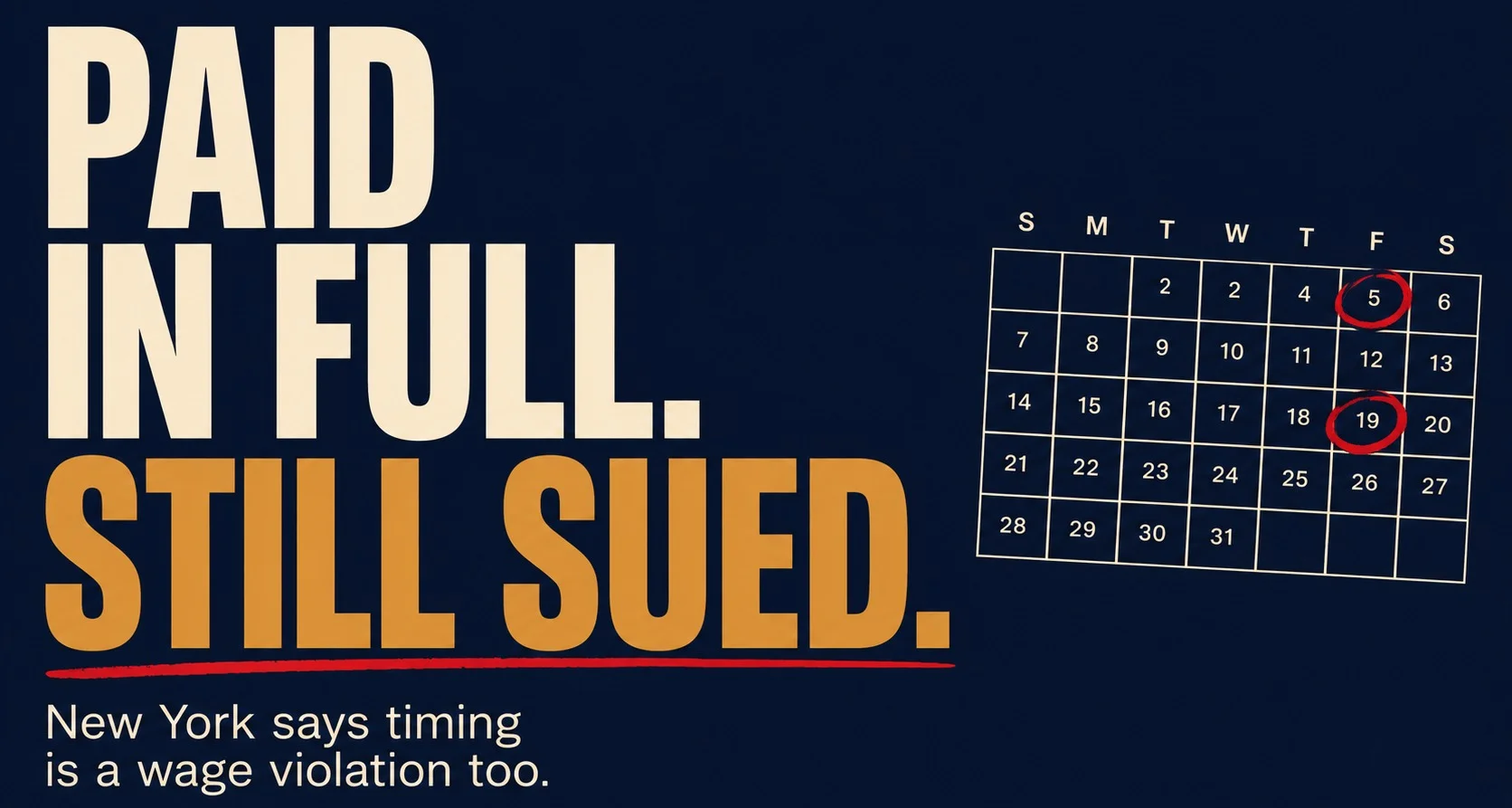
The Dairy Queen labor lawsuit making noise in New York isn’t the story you’d expect, no wage theft in the usual sense, no unpaid overtime, just two Long Island franchise owners who paid every dollar owed but paid it every two weeks instead of every week and got hit with a claim that could’ve ended them.
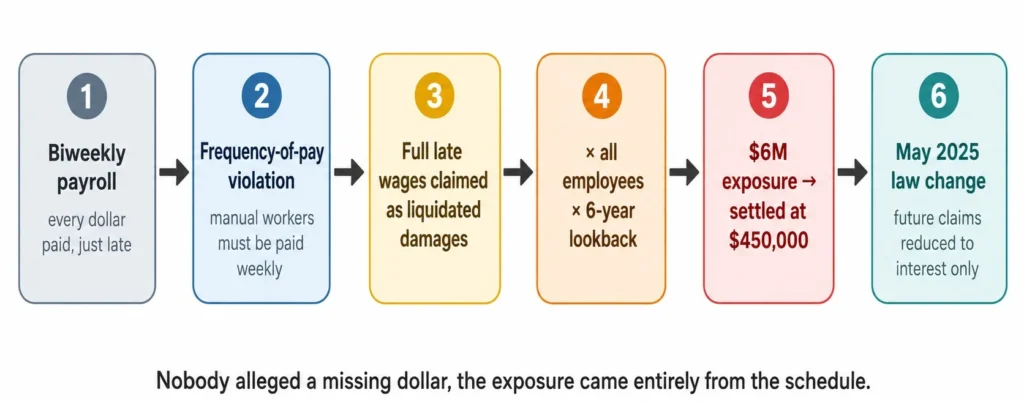
- Sisters Patty DeMint and Michelle Robey, owners of a Medford, NY Dairy Queen, faced a $6 million lawsuit over New York’s frequency-of-pay law.
- The violation wasn’t underpayment, it was paying employees biweekly instead of weekly, which the law required for manual workers.
- They settled out of court for $450,000.
- In May, Gov. Hochul amended the law so businesses paying biweekly now owe only interest on the late wages, a fix that arrived after their settlement.
- Separately, suing Dairy Queen corporate over a franchisee’s pay practices runs into the joint-employer doctrine and the current standard is narrower than most workers assume.
Bottom line: in New York, when you get paid is a legal question, not just how much and both workers and franchise owners keep finding that out the expensive way.
The Lawsuit That Blindsided the “DQ Sisters”
I want to start with the case everyone searching this topic is actually looking for, because it breaks the usual mold. Since opening their franchise, DeMint and Robey built a reputation in Medford as second-chance employers hiring people out of jail, out of addiction, 14-year-olds and 80-year-olds alike, which is not the profile of a wage-theft defendant.
Then came what Robey described as a blizzard of claims that they were breaking the law by paying employees every two weeks instead of weekly “ridiculous to us,” she said, “because we knew we paid every employee every dime that they were owed.”
They had, too and that’s the strange heart of this case; nobody alleged a missing dollar. The exposure came entirely from the pay schedule.
The 100-Year-Old Law Doing the Damage
New York’s frequency-of-pay rule dates back to the Depression and was written to prevent wage theft manual workers must be paid weekly and for years courts allowed workers to claim the full delayed wages as liquidated damages, meaning a technically-late-but-fully-paid payroll could generate liability rivaling actual theft. Multiply half of every paycheck across every employee across six years of lookback and a small ice cream shop’s math turns catastrophic fast, which is how you arrive at $6 million against a business built from combined savings and loans.
Unable to wait for a legislative fix, the sisters settled for $450,000 and in May, Hochul closed the floodgates by amending the law so biweekly payers owe only the interest on late wages. Labor unions and the state trial lawyer’s association fought the change and I’ll say the quiet part: both sides have a point, which is rarer in wage law than you’d think.
Can Workers Sue Dairy Queen Corporate? Mostly, No
Every time a franchise wage case makes news, the same question follows, why sue two sisters in Medford instead of the brand behind them, the one owned by Berkshire Hathaway? The answer is the joint-employer doctrine and it’s narrower than most workers hope.
Under the FLSA’s joint-employer framework, a franchisor becomes liable for a franchisee’s wage violations only when it exercises actual control over the employment relationship hiring, firing, setting wages, supervising the day-to-day work. Brand standards don’t cut it; mandating the uniform, the menu, the Blizzard-flipping ritual, none of that makes corporate your employer in the eyes of the law and the standard has swung narrower and wider with nearly every change in administration.
So when a New York DQ franchisee violates the frequency-of-pay law or shorts someone’s overtime, the lawsuit lands on the local operator, who is often the party least able to absorb it. Whether that’s the right allocation of risk between a small franchisee and a franchisor that sets nearly every business variable except labor costs, that’s a fight legal scholars are still having and I don’t think it’s settled anywhere near as cleanly as either side claims.
What DQ Workers in New York Can Actually Claim
None of this means workers lack leverage, because New York remains one of the most protective wage states in the country. The real, recurring claims in fast-food cases look like this:
- Unpaid overtime — including “managers” paid a salary but doing crew work; the Department of Labor recovered $358,000 from one Dairy Queen operator for 31 misclassified managers denied overtime.
- Off-the-clock work and time shaving.
- Spread-of-hours pay — an extra hour at minimum wage when your workday stretches past 10 hours, a New York-specific right many workers never hear about.
- Missing wage notices and pay stubs, which carry their own statutory damages.
- Child labor violations — DOL has fined DQ operators repeatedly over 14- and 15-year-olds working past legal hours.
New York’s lookback runs six years under state law, well beyond the FLSA’s two or three and immigration status doesn’t affect eligibility. If your paycheck looks wrong, it usually is.
Where This Leaves Everyone
The frequency-of-pay saga ended with almost nobody happy worker’s advocates saw penalties gutted, the sisters paid $450,000 for a violation the legislature effectively decriminalized months later and the plaintiff’s bar lost a lucrative claim overnight. My honest read is that this case says less about Dairy Queen than about New York wage law itself, a system strict enough to catch genuine thieves and blunt enough to flatten a second-chance employer along the way. The next franchise owner won’t face the $6 million version and I suspect the workers who were paid in full every two weeks won’t notice the difference either.