 Esq (Personal Injury Lawyer)
Getting hurt isn’t automatically a lawsuit. Sometimes you need a lawyer, sometimes you don’t. The difference usually comes down to severity, fault, and who you’re dealing with on the other side. I know accidents happen in the blink of an eye, and while some situations can be resolved with a quick insurance claim, others become complicated fast. That’s where a personal injury lawyer comes in. But many people wonder: when is it actually worth hiring one?
What Is a Personal Injury Lawyer?
First a quick overview in case you are not aware about this term. A personal injury lawyer is an attorney who represents people injured due to someone else’s negligence or intentional actions. Their job is to investigate claims, negotiate with insurance companies, and, if necessary, fight for compensation in court. From car accidents to medical malpractice, they deal with a wide variety of cases that affect everyday people.
One of the leading reasons people hire injury lawyers is car accidents. While minor fender-benders might not need legal help, crashes involving serious injuries, disputed liability, or uninsured drivers often require an attorney’s guidance.
Can I handle my own case?
You have the legal right to represent yourself. Insurance companies love pro se plaintiffs. They know you don’t understand the law, the process, or your case’s value. They’ll lowball you and you won’t know it.
Studies show people with lawyers recover 3.5 times more than those without, even after paying legal fees. Insurance adjusters are trained negotiators dealing with claims daily. You’ve maybe had one or two accidents in your life. It’s like playing poker against professionals with your mortgage money.
Common Situations Where You May or Not Need a Personal Injury Lawyer
Car Accidents
When You Need a Lawyer:
Your injuries are serious – broken bones, head trauma, anything requiring surgery or extended treatment. Medical bills alone will hit five figures fast. A lawyer knows how to calculate future medical costs, lost wages, and pain and suffering. Insurance companies won’t volunteer this information.
The other driver disputes fault or their insurance company starts playing games. They might claim you were speeding, texting, or that their client wasn’t even there. Once fault becomes contested, you need someone who knows how to gather evidence – traffic camera footage, witness statements, accident reconstruction.
Multiple vehicles were involved. Three-car pileups get complicated fast. Each insurance company points fingers at the others. You could end up getting offers from multiple insurers that don’t add up to your actual damages. A lawyer can pursue all available sources of compensation.
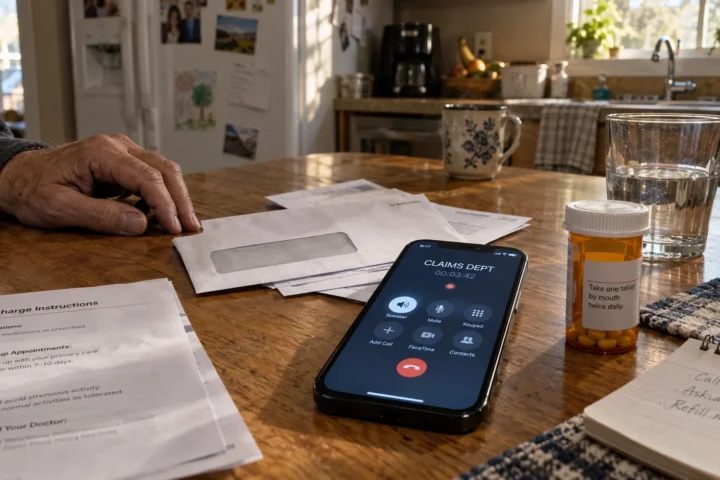
The insurance company offers a quick settlement that seems too low. They’ll call within days, sometimes hours, wanting you to sign papers. That first offer is never their best offer. They’re banking on you not knowing what your claim is worth.
You’re partially at fault but not entirely. States handle this differently. In some states, being 20% at fault means you get 80% compensation. In others, being 51% at fault means you get nothing. Lawyers know these rules and how to minimize your assigned fault percentage.
Key indicators you need legal help:
- Medical bills exceed $10,000.
- You’ll miss more than two weeks of work.
- You have permanent scarring or disability.
- The insurance adjuster becomes hostile or stops returning calls.
- They’re offering less than your medical bills.
- The at-fault driver was drunk, texting, or committed a crime.
When You Might Not Need a Lawyer:
Minor fender-benders with clear fault and cooperative insurance companies. If you’ve got whiplash that resolves in two weeks and the other driver’s insurance covers everything plus a reasonable amount for pain and suffering, you’re probably fine handling it yourself.
Your injuries are genuinely minor – some bruising, mild soreness that disappears within days. Your medical bills total under $2,500. You didn’t miss work. The insurance company accepts fault immediately and their first offer covers everything plus extra.
Property damage only, no injuries. Insurance companies handle these claims routinely. Get three repair estimates, submit them, get your check. Lawyers typically won’t take property-damage-only cases anyway unless it’s an exotic car or involves complex commercial policies.
Signs you can handle it yourself:
- Total damages under $5,000.
- Clear police report showing other driver at fault.
- Insurance company admits liability immediately.
- All medical treatment completed within 30 days.
- No lasting pain or limitations.
- Fair settlement offer that covers all bills plus 2-3x for pain and suffering.
Truck Accidents
When You Need a Lawyer:
Any accident with a commercial truck requires a lawyer. Period. These aren’t regular car accidents. Trucking companies have teams of lawyers on retainer who start working the moment their driver calls in an accident. They send investigators to the scene immediately. They’ll have statements from witnesses before you leave the hospital.
Federal regulations govern commercial trucking. Drivers can only drive so many hours. Trucks need specific maintenance. Cargo must be loaded certain ways. Your lawyer needs to get the driver’s logs, the truck’s black box data, maintenance records, and loading documents before they mysteriously disappear.
Multiple parties might be liable – the driver, the trucking company, the loading company, the truck manufacturer, the maintenance provider. Each has their own insurance with their own lawyers. You can’t fight all of them alone.
The injuries from truck accidents are rarely minor. An 80,000-pound truck versus your 4,000-pound car doesn’t end well. Traumatic brain injuries, spinal damage, crushed limbs – these are career-ending, life-altering injuries that need serious compensation.
Critical reasons for lawyer involvement:
- Federal Motor Carrier Safety Regulations apply.
- Evidence preservation requires immediate legal action.
- Multiple insurance policies might provide coverage.
- Trucking company lawyers are already building their defense.
- Damages often exceed $100,000.
- Driver logs and electronic data need subpoenas to obtain.
When You Might Not Need a Lawyer:
Honestly? Almost never. Even minor truck accidents involve complex commercial insurance policies. But if you absolutely insist on handling it yourself, the only scenario would be a truly minor parking lot bump with zero injuries, clear fault, and a local owner-operator trucker with proper insurance who admits fault immediately.
Even then, you’re taking a risk. That trucker’s insurance likely has much higher limits than regular auto insurance. What seems like minor neck pain could be a herniated disc that needs surgery six months later.
Slip and Fall Accidents
When You Need a Lawyer:
You fell because of a dangerous condition the property owner knew about or should have known about. Broken stairs they’d been meaning to fix. Water leak that had been reported multiple times. Parking lot ice they didn’t salt despite forecasts.
Your injuries are significant. Broken hips, head injuries, torn ligaments, back injuries requiring surgery. Slip and falls might sound minor but they cause some of the worst injuries. Elderly people especially face life-threatening complications from falls.
The property owner denies responsibility or claims you were careless. They’ll say you weren’t watching where you were going, you wore inappropriate shoes, you were on your phone. Security footage might help or hurt your case – a lawyer knows how to get it before it’s deleted.
Commercial properties like stores, restaurants, or office buildings are involved. They have procedures for handling falls and insurance companies that fight every claim. They’ll want you to give a recorded statement immediately. Don’t do it without a lawyer.
You need a lawyer when:
- Medical treatment exceeds $5,000.
- You have documented proof of prior complaints about the hazard.
- The property owner violated building codes or safety regulations.
- You have permanent injuries or scarring.
- Multiple witnesses saw hazardous conditions.
- The business had no warning signs about the danger.
When You Might Not Need a Lawyer:
You fell on a friend’s property and they’re cooperating with their homeowner’s insurance. Minor injuries that heal completely within a few weeks. Their insurance covers your medical bills and offers reasonable compensation without fighting.
The hazard was open and obvious – you walked into a clearly marked construction zone or ignored multiple warning signs. Courts expect people to watch where they’re going. If you texted your way into a hole surrounded by orange cones, you probably don’t have a case.
Your injuries are truly minor – bruises, minor cuts, soreness that resolves quickly. You didn’t miss work. Medical bills under $1,000. The property owner immediately accepts responsibility and their insurance makes a fair offer.
Situations where you might handle it alone:
- Residential property with cooperative owner.
- Medical bills under $2,500.
- Complete recovery within two weeks.
- Clear documentation of dangerous condition.
- Insurance company accepts claim without dispute.
- No permanent effects or scarring.
Workplace Injuries
When You Need a Lawyer:
Your employer disputes that the injury happened at work. They claim you were horsing around, violated safety rules, or that your back problems started at your weekend football game, not from lifting boxes. Workers’ comp lawyers know how to prove work-related injuries.
Your workers’ compensation claim gets denied. Insurance companies deny claims constantly, hoping you’ll give up. Appeals have strict deadlines and require specific medical evidence. Miss a deadline and you lose your rights forever.
You have permanent disability or can’t return to your previous job. Workers’ comp pays different amounts for different levels of disability. Insurance companies will lowball your disability rating. The difference between 10% and 20% disabled could mean tens of thousands of dollars.
Your employer retaliates after you file a claim. Suddenly you’re written up for being two minutes late. Your hours get cut. You’re transferred to night shift. This is illegal but happens constantly. Document everything and get a lawyer.
Third parties might be liable beyond workers’ comp. Maybe defective equipment caused your injury. Maybe another contractor’s employee hit you with a forklift. These cases allow lawsuits outside workers’ comp with much higher potential compensation.
Get legal help when:
- Claim denied or benefits stopped.
- Permanent disability or disfigurement.
- Need for ongoing medical treatment or surgery.
- Employer disputes the injury occurred at work.
- Exposure to toxic substances or repetitive stress injuries.
- Employer lacks proper workers’ comp insurance.
- Retaliation or termination after filing claim.
When You Might Not Need a Lawyer:
Minor injuries with straightforward claims that your employer reports properly. You strain your back, see the doctor, take a week off, and return to full duty. Workers’ comp covers everything without argument.
Your employer and their insurance company handle everything correctly. They report the injury immediately, approve your medical treatment, pay your temporary disability benefits on time, and welcome you back to work when you’re ready.
Clear-cut temporary injuries with full recovery expected. Cuts requiring stitches, minor burns, simple fractures that heal normally. You’ll return to your exact same job at the same pay within a few weeks or months.
Handle it yourself when:
- Employer reports injury immediately.
- All medical treatment gets approved.
- Temporary disability benefits paid correctly.
- Full recovery expected within 6-8 weeks.
- Returning to same job at same pay.
- No disputes about how injury occurred.
- Total medical costs under $10,000.
Medical Malpractice
When You Need a Lawyer:
Medical malpractice cases are nearly impossible to win without a lawyer. Doctors and hospitals have insurance companies with unlimited legal budgets. They’ll fight every case to discourage future lawsuits. You need someone who understands medicine, law, and how to prove negligence.
The medical error caused serious harm. Surgical instruments left inside you. Wrong medication that caused organ damage. Misdiagnosed cancer that spread while treatable. Birth injuries from improper delivery. These cases involve complex medical evidence that needs expert testimony.
Your doctor failed to meet the standard of care. Not every bad outcome is malpractice. Medicine involves risk. But when your doctor does something no reasonable doctor would do, or fails to do something any competent doctor would do, that’s malpractice. Proving this requires other doctors to testify against their colleague.
You suffered significant damages. Malpractice cases cost $50,000 to $200,000 just to prepare for trial. Expert witnesses charge $500-1000 per hour. If your damages are under $100,000, many lawyers won’t take the case because they’ll spend more preparing than they could possibly recover.
The statute of limitations is running out. Most states give you 2-3 years from when you discovered the malpractice. Miss that deadline and you’re done. Some states have shorter deadlines for government hospitals. Birth injury cases have different rules. A lawyer knows these deadlines.
Essential situations requiring legal help:
- Surgical errors causing permanent damage.
- Medication errors resulting in serious harm.
- Failure to diagnose cancer or heart attack.
- Birth injuries affecting child’s development.
- Anesthesia errors causing brain damage.
- Hospital infections from poor sanitation.
- Wrongful death from medical negligence.
When You Might Not Need a Lawyer:
Minor errors with minimal harm. Your surgeon nicked something during surgery but fixed it immediately with no lasting effects. The wrong medication made you sick for a day but caused no permanent damage. These cases won’t support the cost of litigation.
Known complications occurred despite proper care. Your surgeon explained the 2% risk of nerve damage, you signed the consent form, and unfortunately you were in that 2%. Bad outcomes aren’t always malpractice. Sometimes medicine doesn’t work despite everyone doing everything right.
The damages are relatively minor compared to litigation costs. A delayed diagnosis that required an extra procedure but you fully recovered. A medication error that extended your hospital stay by two days. Unless you have clear proof of gross negligence, the case won’t be economically viable.
Situations where lawyers likely won’t take the case:
- Total damages under $50,000.
- No permanent injury or disability.
- Known complication that was properly disclosed.
- Delayed diagnosis with successful treatment.
- Cosmetic dissatisfaction without objective harm.
- Rude doctor who provided appropriate medical care.
Wrongful Death (Lawyer Is Must)
When negligence leads to a fatality, the family of the deceased may file a wrongful death claim. These cases are emotionally charged and legally complex, making experienced legal representation essential.
Do Lawyers Take Every Case?
Not every personal injury lawyer accepts every case. Attorneys often evaluate:
- Liability: Can negligence be proven?
- Damages: Is there enough harm (medical bills, lost wages, pain and suffering) to justify a claim?
- Evidence: Are there strong facts, records, or witnesses to back up the case?
If these factors don’t align, a lawyer may decline. This doesn’t always mean the case is weak — just that it may not be the right fit for litigation.
FAQs
How much is my case worth?
Nobody can tell you this without knowing your specific damages. Online calculators are worthless. Every case is different. Your medical bills are just the starting point. Lost wages, future medical care, permanent limitations, scarring, pain and suffering – they all factor in. Similar injuries can have vastly different values depending on your age, occupation, and how the injury affects your specific life.
Insurance companies use multipliers for pain and suffering – typically 1.5 to 5 times your medical bills. But a broken leg for a 25-year-old dancer is worth more than for a 65-year-old retiree. A facial scar on a model matters more than on a programmer. Soft tissue injuries might get 1.5x. Permanent disability might get 10x or more.
How long will my case take?
Most personal injury cases settle in 6-12 months (average). Complicated cases take 2-3 years. If it goes to trial, add another year. Medical malpractice and product liability cases take longest. Simple car accidents with clear liability settle fastest.
The timeline depends on your medical treatment. Lawyers won’t settle until you reach “maximum medical improvement” – the point where you’re as healed as you’re going to get. Settling before then means guessing about future medical needs.
How much do lawyers charge?
Personal injury lawyers work on contingency – they get a percentage of what they recover. Standard rates are 33% if it settles before lawsuit, 40% if they file suit. Some charge 25% for simple cases. Others charge 45% for appeals.
You pay nothing upfront. If you lose, you owe nothing. The lawyer fronts all costs – filing fees, expert witnesses, depositions, medical records. These costs come out of your settlement separately from the lawyer’s fee. On a $100,000 settlement with $10,000 in costs and a 33% fee, you’d get $60,000.
Will my case go to trial?
Probably not. About 95% of personal injury cases settle without trial. Insurance companies know what cases are worth. They’d rather pay a fair settlement than risk a jury awarding more. Trials are expensive for everyone.
Cases go to trial when there’s disagreement about fault or damages. The insurance company says you caused the accident. They claim your injuries pre-existed. They offer $10,000 when you need $100,000. If you can’t bridge that gap through negotiation, trial becomes necessary.
Do I need a lawyer for minor injuries?
For very small claims, you might not. But if medical bills, lost income, or long-term recovery are involved, getting a lawyer is worth it.
What if the person who hurt me has no insurance?
Your own uninsured motorist coverage might apply. Umbrella policies might provide coverage. The person might have assets worth pursuing. Businesses might be liable for their employee’s actions. Property owners might share liability.
Sometimes you’re just out of luck. Can’t get blood from a stone. That’s why carrying good uninsured motorist coverage matters. But don’t assume there’s no recovery without investigating. Multiple parties might share liability you don’t know about.
Why Experience and Location Matter
Not all lawyers have the same expertise. Hiring someone with experience in personal injury law — and who knows the local courts and judges — can make a significant difference. For example, if someone is injured in Texas, they might look for a personal injury lawyer Houston to handle their case, as local knowledge can influence strategies and outcomes.
Final Thoughts
The decision to hire a personal injury lawyer depends on the severity of the injury, the complexity of the case, and whether liability is being disputed. From car accidents to workplace injuries, lawyers can help victims secure compensation that covers medical bills, lost wages, and emotional distress.
If you’re ever in doubt, consulting a personal injury lawyer doesn’t cost anything upfront — but not doing so could cost you the fair settlement you deserve.