 Mohammad Abdel-Rahman Accident & Injury Lawyer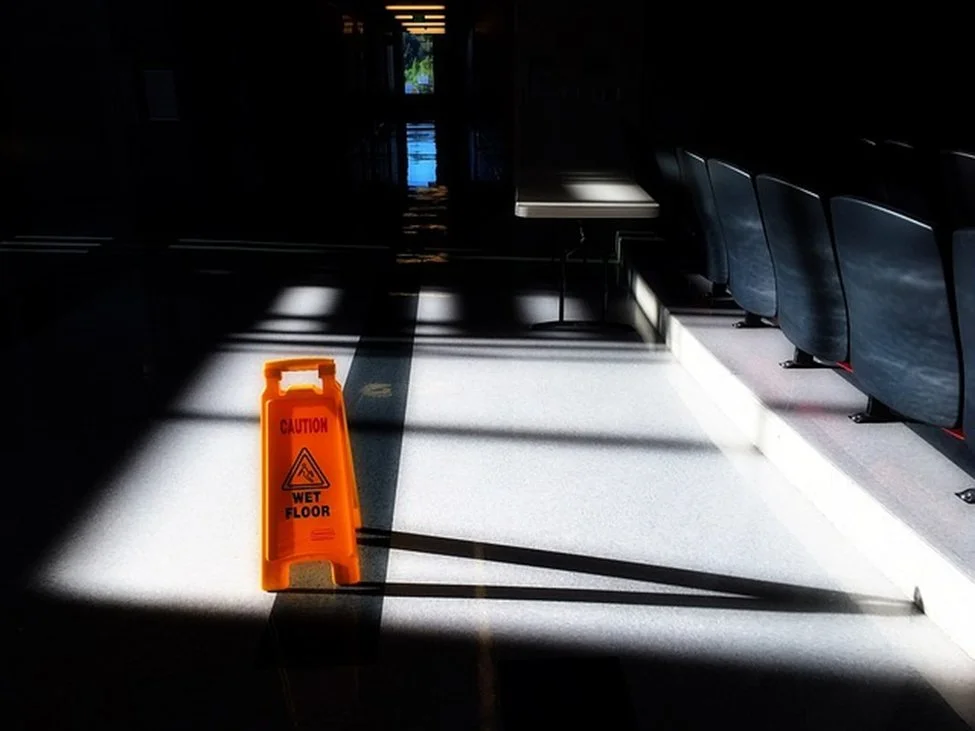
Did you know that over 14 million older adults fall each year in the U.S.? Or that these accidents send more than 1 million people to the emergency room annually? These aren’t just little stumbles; they can change your life in big ways. I’ve seen it happen to so many of my clients and I’m here to share what I’ve learned about how slip and fall injuries can affect your future.
So, what exactly is a slip and fall injury? It’s when you slip, trip or fall because of something dangerous—like a wet floor, a bumpy sidewalk or bad lighting. These accidents can happen anywhere: at work, in a store or even at home. They might sound simple, but the effects can stick with you for years. From your health to your money to how you feel every day, a fall can turn everything upside down. In this article, I’ll break it all down for you in super simple words. I’ll also explain how I help my clients deal with these problems and get back on their feet—literally and figuratively. Let’s get to it!
What Are Slip and Fall Injuries?
Before we get into the big stuff, let’s make sure we’re on the same page. A slip and fall injury happens when you lose your balance and hit the ground because of a hazard. Think of a slippery floor with no warning sign or a staircase with a broken step. These accidents are super common and they can happen to anyone—young or old, at home or out and about.
I’ve worked with clients who’ve fallen in all kinds of places. Some slipped in grocery stores because of a spill. Others tripped on uneven pavement outside an office building. And a few even fell at home because of loose rugs or bad lighting. The injuries can be small, like a bruise or really serious, like a broken bone or a head injury. No matter the size, these falls can mess up your life in ways you might not expect.
Why does this matter to you? Because a slip and fall isn’t just about the moment you hit the ground. It’s about what comes after—doctor visits, bills and maybe even not being able to do the things you love. As a lawyer, I see how these accidents affect my clients’ futures and I’m here to help them through it. Stick with me and I’ll show you exactly how these injuries can change your life and what you can do about it.
Physical Impacts: How Your Body Takes the Hit?
Let’s start with your body. When you fall, the physical damage can be rough. I’ve seen clients with all sorts of injuries and they’re not just bumps and scratches. Here’s a quick list of the most common ones:
1. Fractures
Fractures are among the most common injuries resulting from a fall. The most vulnerable body parts are the hips, wrists and ankles.
- Hip fractures are especially concerning, as they can lead to limited mobility and long-term recovery for older adults. Approximately 300,000 people each year suffer from hip fractures due to falls.
- Wrist and ankle fractures are also common, often leading to extended periods of time off work or in physical therapy.
2. Head Injuries
Falls are a leading cause of traumatic brain injuries (TBI), which can result in:
- Memory loss
- Cognitive difficulties
- Personality changes
In fact, falls account for 40% of all TBI cases, making them a serious concern, especially for older adults.
3. Spinal Cord Injuries
A fall that impacts the spine can cause paralysis, numbness or loss of sensation, potentially leading to permanent disability. These injuries often require lifelong medical care and can dramatically alter the course of one’s life.
4. Soft Tissue Injuries
These include sprains, strains and muscle tears, which may not be immediately severe but can lead to chronic pain and long-term mobility issues. Many victims end up with persistent discomfort in the back, neck or shoulders.
5. Psychological Impact
Not all effects are physical. The emotional consequences of a fall are often overlooked:
- Depression and anxiety are common for those who experience long-term disability from their injuries.
- Fear of falling again often leads to social isolation and decreased activity levels.
These injuries don’t just heal overnight. You might need surgery, physical therapy or even special equipment like crutches. For example, one of my clients broke her hip in a fall at a restaurant. She spent months recovering and even now, she can’t walk like she used to. That’s the thing—slip and fall injuries can leave you with permanent problems, like chronic pain or trouble moving around.
Older folks have it especially tough. A fall can make them weaker and more likely to fall again. I’ve seen how one accident can start a chain reaction of health issues. If this happens to you, it’s not just about getting better today—it’s about how your body will feel years from now. That’s why I fight so hard to help my clients get the care they need after a fall.
Long-Term Health Problems You Might Face
The physical stuff doesn’t always stop once the cast comes off. Slip and fall injuries can leave you with health problems that stick around. I’ve talked to clients who deal with pain every single day because of a fall they had years ago. Here are some long-term issues you might run into:
- Chronic Pain: A bad back or a sore knee can nag at you constantly.
- Limited Mobility: You might not be able to climb stairs or carry groceries like before.
- Disability: In serious cases, you could lose the ability to walk or work.
Take head injuries, for instance. I had a client who hit his head after slipping on ice. At first, he seemed okay, but months later, he started forgetting things and getting headaches. That’s a brain injury showing it’s ugly side. Or think about spinal damage—another client of mine can’t feel her legs anymore because of a fall down poorly lit stairs. These kinds of changes don’t just affect your body; they affect your whole life.
Recovery takes time and it’s different for everyone. You might need months of therapy or multiple surgeries. And if you’re older, healing can be even slower. I’ve seen how these long-term health problems can make my clients feel trapped. That’s why I’m here—to help them get the medical support they need and hold the right people accountable so they’re not stuck suffering alone.
Financial Consequences: The Money Side of Things
Now, let’s talk money. Slip and fall injuries can hit your wallet hard. When you’re hurt, the bills start piling up fast and if you can’t work, it’s even worse. I’ve seen my clients struggle with this and I want you to know what to expect.
First, there are the medical costs. Even with insurance, you’re looking at big numbers. Check out this table of average costs:
| Treatment | Average Cost |
| Emergency Room Visit | $1,000 – $5,000 |
| Surgery | $10,000 – $50,000 |
| Physical Therapy | $500 – $2,000 per session |
| Crutches or Wheelchair | $500 – $5,000 |
These aren’t one-time expenses either. If you need therapy for months or medicine forever, those costs add up. I had a client who spent over $100,000 after a fall because he needed two surgeries and ongoing care. That’s a lot of money to find when you’re already hurting.
Then there’s the work problem. If you can’t do your job, you’re not getting paid. Maybe you miss a few weeks or maybe you can’t go back at all. One of my clients was a construction worker who couldn’t lift heavy stuff anymore after his fall. He had to switch jobs and took a big pay cut. That kind of loss can mess up your savings, your family and your future plans. I help my clients fight for money to cover these costs so they’re not left broke because of someone else’s mistake.
Lost Income and a Changed Future
Losing money doesn’t stop with medical bills. When you’re injured, your income can take a hit too—and that can change your whole future. I’ve seen this happen to so many people I’ve helped and it’s tough to watch.
If you’re out of work for a while, you might lose weeks or months of pay. For some of my clients, that means dipping into savings or falling behind on bills. But it can get worse. If your injury is really bad, you might not be able to do your job anymore. Imagine being a teacher who can’t stand all day or a delivery driver who can’t lift packages. That’s what happened to a client of mine—she had to quit her retail job after a fall and now earns way less at a desk job.
Here’s how it breaks down:
- Short-Term Loss: Missing work for a few weeks or months.
- Long-Term Loss: Needing a new career with lower pay.
- Job Loss: Getting let go because you can’t keep up.
This doesn’t just affect you now—it can mean less money for retirement or your kids’ college fund. I’ve seen clients forced to retire early because of a fall and it’s heartbreaking. That’s why I step in to help. I fight to get them compensation for lost wages and future earnings. If this happens to you, I’ll make sure you’re not left struggling financially because of an accident that wasn’t your fault.
Emotional and Psychological Effects
Slip and fall injuries don’t just hurt your body—they can mess with your mind too. I’ve talked to clients who say the emotional stuff is sometimes harder than the physical pain. It’s real and it can change how you feel every day.
After a fall, you might feel scared or worried all the time. What if it happens again? What if you can’t get better? That’s anxiety and it’s super common. Depression can creep in too, especially if you can’t do the things you love anymore. I had a client who used to hike every weekend—after her fall, she couldn’t and she felt lost without it. Then there’s PTSD. If your fall was scary—like tumbling down stairs—you might keep reliving it in your head.
Here’s what you might deal with:
- Anxiety: Constant worry about your health or safety.
- Depression: Feeling sad because your life’s different now.
- PTSD: Flashbacks or nightmares about the fall.
These feelings can make you pull away from friends and family. You might not want to leave the house or see people because you’re in pain or embarrassed about needing help. I’ve seen how this isolation hurts my clients and it’s why I always tell them to talk to someone—a counselor, a friend, anyone. I also help them get money for therapy if they need it, because your mental health matters just as much as your body.
How It Affects Your Daily Life?
The emotional stuff ties right into your daily life. A slip and fall injury can take away the little things that make you happy. I’ve seen it over and over with my clients and it’s one of the toughest parts of these accidents.
Imagine you can’t play with your kids because your back hurts too much. Or maybe you loved gardening, but now you can’t bend down without pain. That’s what happened to a client of mine—he used to fix cars as a hobby, but after his fall, he had to give it up. It’s not just about losing fun stuff either. Everyday tasks like cooking, cleaning or even getting dressed can become a struggle if you’re hurt.
This loss of independence hits hard. You might need someone to help you shower or drive you around. That can make you feel frustrated or useless, even if it’s not true. And if you’re stuck at home a lot, you might start feeling lonely. I’ve had clients tell me they miss their old lives—the freedom to move, work and enjoy time with others. When I help them, I focus on getting them support to rebuild that life, whether it’s through medical care or compensation to make things easier.
Legal Side: Who’s to Blame?
Okay, let’s get into the legal part. If you fall because someone else messed up, they might have to pay for it. This is where I come in as your lawyer. I help my clients figure out who’s responsible and get them the money they deserve.
There’s something called premises liability. It means property owners—like store managers or landlords—have to keep their places safe. If they don’t and you get hurt, they’re in trouble. Here are some examples of things that can cause a fall:
- Wet floors with no signs.
- Broken steps or sidewalks.
- Dark hallways with no lights.
- Missing handrails.
I had a client who slipped in a hotel lobby because of a spill no one cleaned up. The hotel was at fault because they didn’t fix the problem. Proving this stuff takes work—pictures, witnesses, stuff like that. That’s my job. I dig into the details so you don’t have to. If you’ve fallen because of something like this, you might be able to get money for your bills, pain and lost work. I’m here to make sure the people who caused your accident own up to it.
How I Help My Clients?
So, how do I help you if you’ve had a slip and fall? I’m not just a lawyer—I’m your teammate. I’ve been doing this for years and I know how to make things right for my clients. Here’s what I do:
- Check Out the Accident: I look at where you fell, talk to people who saw it and find proof like photos or videos.
- Deal with Insurance: Insurance companies try to pay you as little as possible. I push back to get you what’s fair.
- File a Claim: If we need to, I’ll take your case to court to get money for your medical bills, lost pay and pain.
One of my clients fell in a parking lot because of a big crack in the pavement. The property owner didn’t want to pay, but I fought for her. We won and she got enough to cover her surgery and time off work. That’s what I’m here for—to take the stress off you. If you’re hurt, you shouldn’t have to figure out the legal stuff alone. I’ll guide you every step of the way so you can focus on getting better. A SKG slip and fall accident lawyer can alsow help you assess liability and pursue a personal injury claim.
What You Can Do After a Fall?
If you’ve had a slip and fall, don’t wait. There are things you can do right now to protect yourself—and I can help you with them. Here’s a simple list:
- Get Medical Help: See a doctor, even if you feel okay. Some injuries don’t show up right away.
- Take Pictures: Snap photos of where you fell and what caused it.
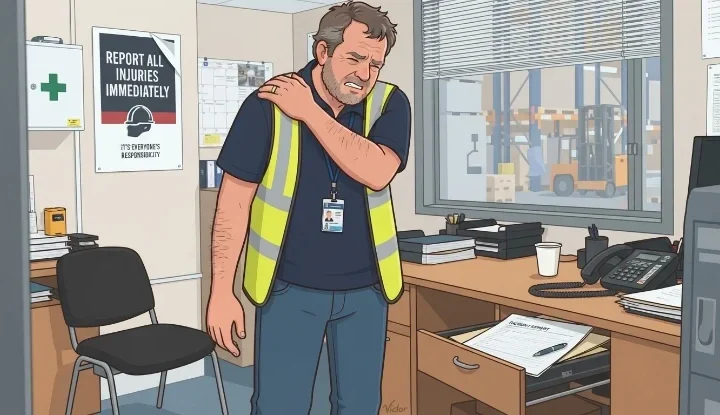
- Tell Someone: Report the fall to the property owner or manager.
- Call Me: Reach out for a free chat about your options.
I’ve seen clients who waited too long and it made their cases harder. One guy didn’t tell anyone about his fall at a store until weeks later and by then, the evidence was gone. Don’t let that be you. The sooner you act, the better I can help you get money for your injuries. You don’t have to go through this alone—I’m just a call away, ready to step in and fight for you.
Conclusion
Slip and fall injuries are no joke. They can hurt your body, empty your bank account and mess with your head. I’ve seen it all as Mohammad Abdel-Rahman, an Accident & Injury Lawyer at thelawyerworld.com. From broken bones to lost jobs to feeling down, these accidents can change your future in ways you never imagined. But here’s the good news: you don’t have to face it by yourself.
I’m here to help you every step of the way. Whether it’s getting you money for doctor bills or fighting for your rights in court, I’ve got your back. If you’ve been hurt in a slip and fall, don’t wait—reach out to me today. Let’s talk about what happened and figure out how to get your life back on track. Your future matters and I’ll make sure it’s protected. With the right support, including medical care and experienced legal counsel, it’s possible to rebuild your life and move forward with confidence.