 Giovanni ( software and services )
Work can be a grind, and sometimes it feels like your boss or coworkers are out to make it worse. But there are laws—both federal and state—that stop employers from treating you like dirt. From getting paid properly to taking time off without getting sacked, here’s the stuff every employee should have in their back pocket. California folks, you’re in luck—your state’s rules often beef up the basics.
Your Paycheck Isn’t a Suggestion
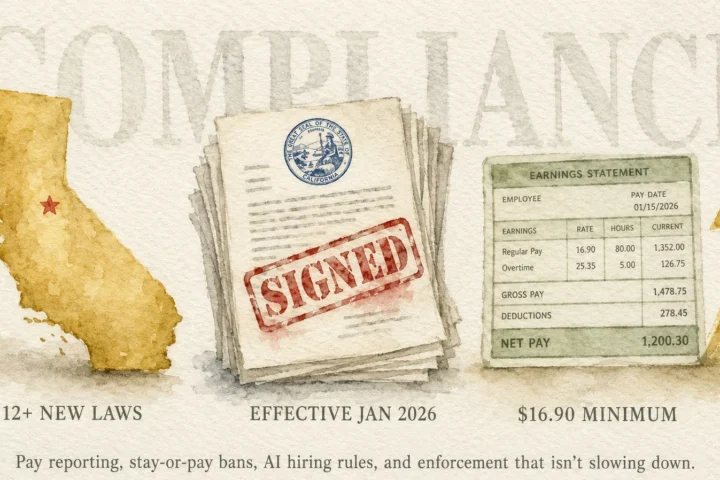
You put in the hours, you deserve the cash. The Fair Labor Standards Act (FLSA) sets the floor: a federal minimum wage (stuck at $7.25, which is frankly a bit of a joke these days) and overtime pay at one-and-a-half times your regular rate for any hours over 40 a week if you’re non-exempt. California, though, doesn’t mess around. Their minimum wage is way higher—think $16 or more, depending on the job—and overtime can kick in after eight hours in a single day, not just 40 in a week.
Breaks are another big deal. In California, if you’re non-exempt, you’re owed a 30-minute meal break for every five hours you work and a 10-minute paid rest break for every four hours. Skimp on those, and your employer’s got to cough up penalties. Other states? Some don’t care about breaks, so you’ll need to dig into your local rules.
No Room for Bigots or Bullies
Nobody should have to put up with a workplace where they’re picked on for being themselves. The Civil Rights Act of 1964 (Title VII) says discrimination based on race, color, religion, sex, or national origin is a hard no. Other laws add more: the Age Discrimination in Employment Act (ADEA) covers you if you’re over 40, the Americans with Disabilities Act (ADA) protects you if you’ve got a disability, and the Genetic Information Nondiscrimination Act (GINA) keeps your DNA off-limits. California’s Fair Employment and Housing Act (FEHA) goes harder, throwing in protections for things like gender identity and sexual orientation.
Harassment’s also out of bounds. Creepy comments, racial slurs, or any kind of targeting based on who you are? Illegal. Your employer’s supposed to investigate, not just roll their eyes. If they drop the ball, you can take it to the Equal Employment Opportunity Commission (EEOC) or your state’s version. Don’t sit on it—you’ve got the right to push back.
Time Off When Life Gets Messy
Life doesn’t always play nice. Maybe you’re having a kid, dealing with a sick family member, or your own health’s taken a dive. The Family and Medical Leave Act (FMLA) gives you up to 12 weeks of unpaid leave with your job safe, as long as you’ve been with your employer for a year and clocked 1,250 hours. California’s Family Rights Act (CFRA) is similar but covers more family members and sometimes applies to smaller businesses. Both laws mean your boss can’t boot you for taking this time. Oh, and the Pregnancy Discrimination Act (PDA) makes it clear: no treating you like garbage just because you’re pregnant or dealing with pregnancy issues.
A Workplace That Doesn’t Kill You
You shouldn’t have to dodge falling crates or breathe toxic fumes to earn a living. The Occupational Safety and Health Administration (OSHA) sets rules to keep workplaces safe, from proper gear to training on hazards. You can report dangerous stuff without getting fired, and you can even call OSHA in to check things out. California’s Cal/OSHA is like the overachieving sibling, with tougher rules on things like heat exposure or wildfire smoke.
Calling Out the Shady Stuff
Spot something dodgy—like your company fudging numbers or ignoring safety rules? You’re protected if you speak up. Federal laws like the Sarbanes-Oxley Act cover you if you report corporate fraud, and the Whistleblower Protection Act shields federal employees blowing the whistle on government nonsense. States have their own laws too. If your boss tries to punish you for it, you can file a complaint with OSHA, the EEOC, or a state labor board. Don’t let them intimidate you.
The Deal with Your Job and Contracts
In most places, including California, jobs are “at-will,” meaning your boss can fire you for no reason, and you can quit whenever—unless it’s illegal, like firing you for being pregnant or reporting fraud. But if you’ve got an employment contract, that’s a different story. It might lock in your pay, duties, or how you can be let go. Read it like it’s a treasure map, and if it’s confusing, get a lawyer to decode it before you sign.
A Few More Tricks Up Your Sleeve
- Accommodations for Disabilities: If you’ve got a disability, the ADA says your employer has to work with you on things like adjusted schedules or special equipment to help you do your job.
- Your Personnel File: In places like California, you can check out your personnel records—think reviews or write-ups. It’s your right to know what’s in there.
- Paid Sick Leave: Some states, like California, guarantee paid sick leave. There’s talk of a federal law (Healthy Workplaces, Healthy Families Act), but it’s not a thing yet, so check your local rules.
When You Need a Lawyer
Laws are great, but employers can still play dirty. If you’re shorted on pay, harassed, fired for no good reason, or dealing with any other nonsense, don’t just stew. A solid employment lawyer can break down what’s what, talk to your employer, or take it to court if it comes to that. It’s not about stirring up trouble—it’s about making sure you’re not walked over.
The Final Word
Special thanks to Shegerian Conniff an experienced employment lawyers from Los Angeles for helping me curate this blog post. Knowing what you’re entitled to at work is like knowing the rules of the game. Federal laws give you a decent foundation, and states like California build on it with extra muscle. If something’s off—your pay, your safety, or how you’re treated—don’t wait around. Check your state’s labor laws, talk to HR, or call a lawyer if it’s serious. You’ve got enough on your plate without putting up with unfair crap.