 Olivia Florio Roberts ( Florida )
A serious accident in Palm Bay can bring hospital bills, missed work, pain and uncertainty about future care. A personal injury attorney Palm Bay residents consult can review the full scope of losses before settlement talks begin.
Damages are the losses an injury claim seeks to recover. They may include financial costs, personal harm and future needs. Compensation depends on proof, liability, insurance coverage and Florida law. This article breaks damages into practical categories and explains what evidence can support each one.
A Quick Damages Snapshot
Most injury damages fall into three broad groups.
Economic damages are financial losses that can be shown with records, such as medical bills, wage loss and out-of-pocket expenses.
Non-economic damages are personal losses, such as pain, emotional distress, inconvenience and reduced quality of life.
Future damages are expected losses tied to long-term treatment, future medical care or reduced earning ability.
Medical Bills and Treatment Costs
Medical expenses are often the first damages people think about after a serious injury. These may include emergency room care, ambulance transportation, hospital stays, surgery, specialist visits, medication, physical therapy, imaging and diagnostic testing.
Medical bills show the cost of care. Treatment records explain why that care was needed. Both are important.
A strong claim connects the treatment to the accident. If records are unclear or delayed, the insurer may question whether the care was related to the injury.
Future Medical Care and Long-Term Treatment
Some injuries require care long after the first hospital visit. Future damages may include surgery, ongoing therapy, pain management, mobility devices, home health care, rehabilitation, medication or follow-up appointments.
A personal injury attorney in Palm Bay may review medical records to determine whether projected treatment should be included before settlement talks continue.
Future care should be supported by medical opinions and reasonable cost estimates. A claim is stronger when doctors explain what treatment is likely needed and why it relates to the injury.
Lost Wages and Missed Work
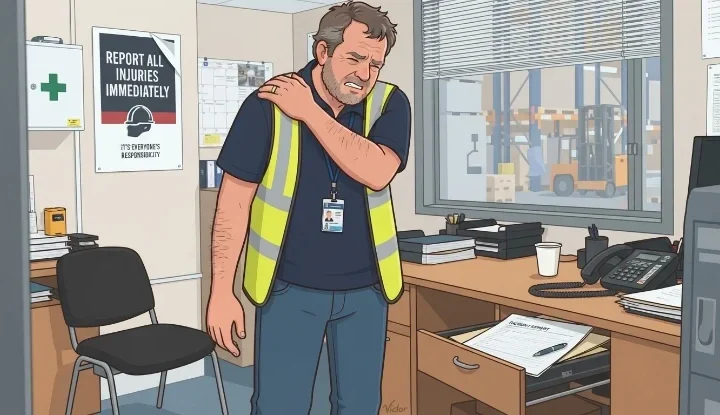
Lost wages cover income missed during recovery. This may include missed shifts, salary loss, overtime, tips, commissions, used sick time or vacation time spent because of the injury.
Proof may include pay stubs, employer letters, work schedules, tax records, direct deposit records or time-off records.
For self-employed workers, income loss may require invoices, contracts, profit-and-loss records, calendars or tax returns. The goal is to show what income was lost because of the injury.
Reduced Earning Capacity
Reduced earning capacity is different from basic lost wages. It applies when a serious injury affects future income.
A person may be unable to return to the same job, may need reduced hours, may accept lower-paying work or may face permanent restrictions. For example, a worker who can no longer lift, stand for long periods or drive for work may have a long-term earning loss.
In complex cases, a vocational or economic expert may help explain how the injury affects future work ability.
Pain, Suffering and Daily Limitations
Pain and suffering covers the personal impact of an injury. This may include physical pain, sleep disruption, emotional strain, loss of hobbies, difficulty caring for family, reduced independence or limits on ordinary routines.
For motor vehicle cases, Florida Statute § 627.737 limits recovery for pain, suffering, mental anguish and inconvenience unless the injury meets the statutory threshold. Qualifying injuries include permanent injury, significant and permanent loss of an important bodily function, significant and permanent scarring or disfigurement or death.
These damages can be harder to measure, but they may be significant in serious injury claims.
Property Damage and Out-of-Pocket Costs
Serious injuries often come with smaller expenses that still matter. These may include vehicle repairs, personal property damage, medical travel costs, parking for medical appointments, assistive devices, home adjustments and other necessary expenses.
Receipts, repair estimates, invoices and photos can help support these losses. Keeping these records organized can prevent out-of-pocket costs from being overlooked.
How Shared Fault Can Reduce Damages
Florida’s comparative fault rule can reduce compensation. For example, if total damages are $100,000 and the injured person is 20% at fault, recovery may be reduced to $80,000.
Under Florida Statute § 768.81, a claimant found greater than 50% at fault in covered negligence actions may not recover damages.
This rule makes liability evidence important, even when damages are well documented.
What Evidence Helps Prove Damages?
A useful damage file may include medical records, medical bills, pay stubs, employer letters, tax returns, photos of injuries, expert reports, receipts, a pain journal and family or caregiver observations.
A personal injury lawyer may use these records to show how the injury affected both finances and daily life.
The strongest claims usually combine medical proof with financial records and practical details about how the injury changed work, mobility and routine activities.
Settlement Timing: Why the Full Picture Matters
Settling too early can leave future care or wage loss out of the claim. Serious injuries may take time to stabilize. Medical improvement, future treatment plans, work restrictions and long-term symptoms can all affect damages.
Florida Statute § 95.11 generally gives two years for actions founded on negligence, so timing still matters. Settlement discussions should account for both the deadline and the full injury picture.
Conclusion
Serious injury damages may include medical costs, lost income, future care, pain, out-of-pocket expenses and reduced earning ability. The strongest claims are supported by clear records, medical proof and careful damage documentation.
Before accepting a settlement, injured Palm Bay residents should consider whether the offer accounts for long-term needs, future treatment and the full impact of the injury.