 Armand Avazian (US Immigration Lawyer)
Becoming a U.S. citizen through naturalization is a big milestone in many immigrants’ lives. It’s more than just getting a passport or the ability to vote; it’s about officially becoming part of the American story. If you’re thinking about applying for U.S. citizenship, you may have a lot of questions. What steps are involved? How long does it take? What documents do I need?
This blog will walk you through the entire naturalization process in a clear and friendly way, helping you understand what to expect and how to prepare. Think of it as your step-by-step guide to becoming a U.S. citizen.
What Is Naturalization?
Naturalization is the legal process through which a non-U.S. citizen voluntarily becomes a U.S. citizen. Most people who apply for naturalization have been living in the United States for a number of years as lawful permanent residents (also known as green card holders). Once naturalized, individuals gain all the rights and responsibilities of citizenship, including the right to vote and the ability to apply for a U.S. passport.
Who Can Apply for Naturalization?
Before you apply, you need to make sure you meet the basic eligibility requirements. Here are the main ones:
- Be at least 18 years old
- Have a green card (permanent residency) for at least 5 years
- If you’re married to a U.S. citizen, the requirement is only 3 years
- If you’re married to a U.S. citizen, the requirement is only 3 years
- Have lived in the U.S. continuously for at least 5 years
- Have been physically present in the U.S. for at least 30 months out of the last 5 years
- Be able to read, write, and speak basic English
- Pass a U.S. history and government test (civics test)
- Have good moral character
If you meet these requirements, you’re likely ready to begin the naturalization journey.
Step 1: Prepare Your Application
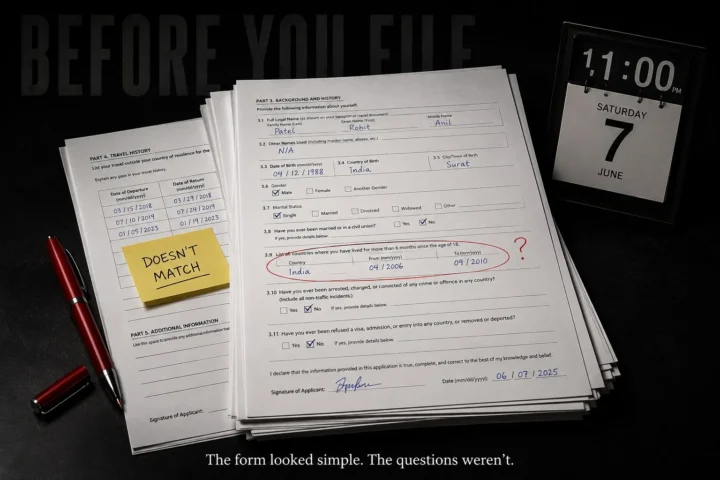
The first official step is filling out Form N-400, the Application for Naturalization. This form asks for details about your identity, immigration history, travel, family, and more. It’s important to take your time and fill it out accurately.
Along with your form, you’ll need to submit:
- A copy of your green card (front and back)
- Two passport-style photos (if living outside the U.S.)
- The application fee, which is currently $640, plus an $85 biometric services fee
You can file online through the USCIS website or mail a paper application, whichever is more convenient for you.
Step 2: Biometrics Appointment
After you submit your application, USCIS will send you a biometrics appointment notice. This means you’ll need to visit a USCIS Application Support Center to have your fingerprints taken. They’ll also take your photo and get your signature. This step helps the government conduct a background check.
Don’t worry, the appointment itself is usually quick and straightforward. Just be sure to bring your appointment notice and a valid photo ID with you.
Step 3: Attend Your Interview
Once your background check is complete, USCIS will schedule you for a naturalization interview. This is a key step in the process, and it’s where you’ll demonstrate your English and civics knowledge.
During the interview, a USCIS officer will:
- Review your N-400 form with you
- Ask questions about your background and application
- Test your ability to speak and understand English
- Give you the civics test, where you’ll answer up to 10 questions about U.S. history and government (you must get at least 6 right)
To prepare for the civics test, USCIS provides a list of 100 possible questions. Studying these ahead of time can make a big difference.
Step 4: Receive a Decision
In most cases, you’ll receive a decision right after your interview. There are three possible outcomes:
- Granted – You passed the tests and met all the requirements. Congratulations
- Continued – USCIS needs more information or you need to retake the tests
- Denied – You didn’t meet the requirements
If your application is continued, don’t be discouraged. You’ll usually get a second chance to pass the test or provide the missing information.
Step 5: Take the Oath of Allegiance
This is the final and most emotional step of the naturalization process. Once your application is approved, you’ll be invited to attend a naturalization ceremony where you take the Oath of Allegiance to the United States.
At the ceremony, you’ll:
- Return your green card
- Receive your naturalization certificate
- Officially become a U.S. citizen
Many people describe this moment as life-changing. It marks the end of one chapter and the beginning of a new one as a fully recognized American.
Tips to Make the Process Smoother
Here are some helpful tips to guide you through your naturalization journey:
- Stay organized: Keep a folder with copies of all your documents and USCIS notices
- Practice for the interview: Use flashcards, apps, or online videos to help you learn the civics questions and practice your English
- Don’t miss appointments: Always attend your biometrics and interview appointments or reschedule if needed
- Ask for help: If you’re unsure about something, consider consulting an immigration attorney or a local immigrant support organization
Common Questions About Naturalization
How long does the naturalization process take?
On average, it can take between 8 to 12 months, but timelines vary by location.
Can I apply for naturalization if I’ve been out of the country a lot?
Frequent or long trips outside the U.S. could affect your eligibility. You need to show continuous and physical presence.
Do I have to give up my original citizenship?
The U.S. allows dual citizenship, but your home country’s laws will determine whether you can keep your original nationality.
Final Thoughts
The naturalization process is not just a formality. It’s a meaningful journey that reflects your commitment to the United States. It takes time, patience, and preparation, but the reward is well worth it. U.S. citizenship opens doors to new opportunities, greater security, and a stronger sense of belonging.
Whether you’re just starting to think about applying or you’re already deep into the process, remember: you’re not alone. Millions have gone through this path before you, and many resources are available to help.
Becoming a U.S. citizen is a dream for many, and with the right steps, it can become your reality too.