 Nicholas J. Rego Accident Lawyer
Truck accidents are among the most severe roadway collisions, often leaving victims with life-changing injuries, mounting medical expenses, and long recoveries. When an 80,000-pound tractor-trailer collides with a passenger vehicle, the physics alone make serious harm likely. Beyond the medical and personal toll, victims quickly encounter a maze of insurance adjusters, federal safety rules, and multiple potentially liable parties. In this environment, working with a seasoned attorney can be the difference between an inadequate payout and full, fair compensation for your losses.
A knowledgeable attorney understands how to investigate commercial vehicle crashes, preserve critical evidence, and press claims against every responsible entity. With strategic guidance, you can protect your rights and focus on healing while your case is built methodically and on time.
Understanding Why Truck Crashes Are Different
Size, force, and complex fact patterns
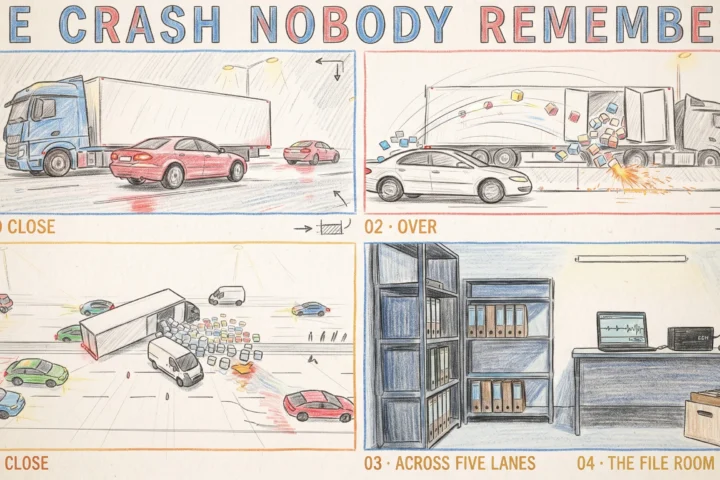
Commercial trucks dwarf passenger vehicles in mass and stopping distance. Braking dynamics, blind spots, turning radii, and cargo shifting risks turn everyday maneuvers into high-stakes events. When crashes occur, they often involve multiple vehicles, disputed timelines, and conflicting witness accounts—conditions that demand professional accident reconstruction and careful evidence preservation.
Federal rules shape liability
Unlike ordinary auto claims, truck cases are governed by comprehensive federal safety regulations. The Federal Motor Carrier Safety Administration’s rules—covering hours of service, vehicle inspections, maintenance, alcohol and drug testing, and driver qualification—define standards that can prove negligence when violated. The FMCSA’s public resources are a helpful starting point to understand these standards: fmcsa.dot.gov.
Common Causes and Injury Patterns
Frequent causes linked to preventable errors
Many truck crashes trace back to preventable safety lapses, including driver fatigue from hours-of-service violations, distracted driving, speeding to meet delivery windows, improper cargo securement, defective brakes or tires, poor fleet maintenance, and inadequate driver training or supervision. Weather and work-zone conditions can amplify these risks if carriers fail to plan and adjust.
Serious injuries and long recoveries
Victims often suffer traumatic brain injuries, spinal cord damage, multiple fractures, crush injuries, internal organ trauma, severe lacerations, and burns. These injuries bring extended hospitalizations, surgeries, rehabilitation, and lengthy periods of lost income—costs that must be fully documented and projected into the future when calculating damages.
How an Attorney Builds a Strong Truck Case
Early investigation and evidence preservation
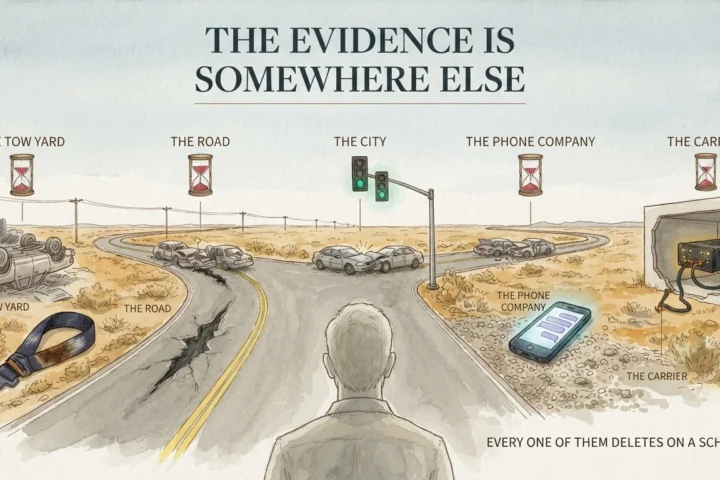
Time is critical. A lawyer will send preservation letters to the carrier to safeguard electronic control module data (the “black box”), dash-cam footage, driver logs, telematics, dispatch records, bills of lading, maintenance files, and post-crash inspection reports. Prompt site inspections and scene photography, together with witness interviews, anchor the factual record before memories fade or roadside evidence disappears.
Regulatory analysis and liability mapping
Your lawyer will compare the facts against FMCSA regulations and industry standards to identify breaches and establish negligence per se where applicable. Just as importantly, they will map all potentially responsible parties: the driver, motor carrier, tractor and trailer owners if different, a broker or shipper that controlled the load or schedule, maintenance contractors, and even parts manufacturers in defect cases. This broad approach helps ensure the available insurance coverage and assets match the scope of your losses.
Expert support to prove causation and damages
Experienced firms work with accident reconstructionists, human factors experts, trucking safety specialists, economists, life-care planners, and vocational experts. Reconstruction explains how the crash unfolded; safety experts connect regulatory breaches to the collision; medical and economic experts quantify future care needs, loss of earning capacity, and the true lifetime cost of the injuries.
Damages You Can Pursue
Economic losses
These include emergency transport, hospitalization, surgeries, medication, rehabilitation, assistive devices, home or vehicle modifications, lost wages, diminished earning capacity, and property damage. Thoughtful claims also account for future medical needs and the impact of complications that may arise years later.
Non-economic harms
Pain and suffering, mental anguish, loss of enjoyment of life, scarring and disfigurement, and loss of consortium should be fully developed with corroborating medical and lay testimony. Detailed day-in-the-life evidence can be persuasive to insurers and juries.
Punitive exposure in egregious cases
When the facts show reckless conduct—such as knowingly putting an unqualified or impaired driver on the road, or routine falsification of logs—punitive damages may be available to punish and deter. Your attorney will evaluate whether the record supports this enhanced remedy.
Virginia Law Considerations That Affect Your Claim
Contributory negligence risk
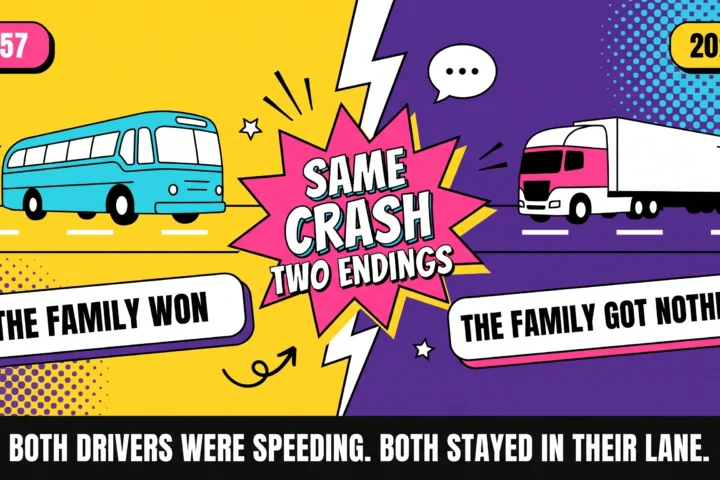
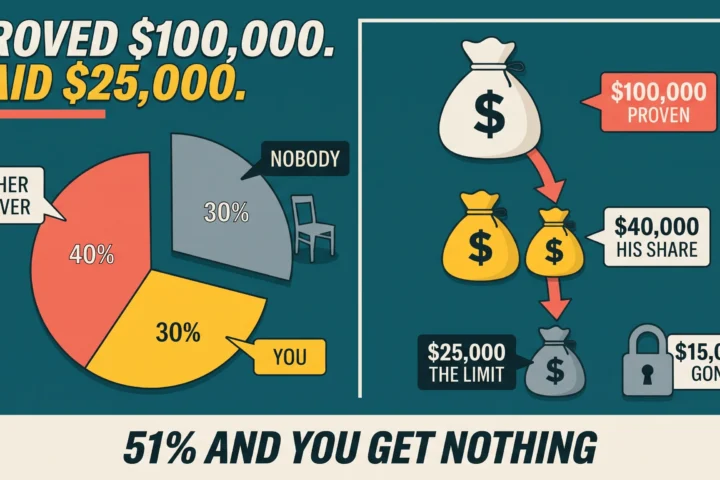
Virginia’s strict contributory negligence doctrine can bar recovery if a plaintiff is found even slightly at fault. Because insurers may try to pin a sliver of blame on victims to avoid paying, careful investigation and strategic rebuttal of fault arguments are essential from day one. Your attorney will marshal objective evidence—ECM data, skid measurements, camera footage, and expert analyses—to counter speculative fault shifting.
Statutes and notice requirements
In most personal injury cases, Virginia’s statute of limitations is two years from the date of injury. Claims against governmental entities can carry shorter notice deadlines. Your lawyer will file timely and preserve all claims against all parties to prevent technical defenses from cutting off your rights.
The Claims Process, Step by Step
Intake, medical stabilization, and claim strategy
Counsel will gather your medical history, crash details, and insurance information, then coordinate with your providers to ensure diagnostic clarity and continuity of care. They’ll also advise on preserving a clean record (no gaps in treatment, consistent reporting of symptoms) that insurers cannot exploit.
Liability demand and negotiation
Once liability and damages are documented, your lawyer will send a comprehensive demand package that ties regulatory breaches to causation and quantifies your full economic and non-economic losses. Effective negotiation pairs fact-driven storytelling with credible expert support to overcome lowball offers and delay tactics.
Litigation when necessary
If the carrier refuses to resolve the claim fairly, filing suit opens discovery—depositions, document production, and subpoenas that can uncover safety shortcuts and corporate policies. Strong litigation pressure often moves cases to meaningful settlement; if not, trial preparation focuses on clear visuals, demonstratives, and expert testimony that translate complex trucking issues into compelling proof.
Why Local Experience Matters
Familiarity with Virginia venues and juries
A Virginia-based lawyer understands local court procedures, scheduling practices, evidentiary tendencies, and how jurors in different circuits respond to trucking themes. That local knowledge helps shape everything from venue selection to voir dire and trial presentation.
Professional reputation and resources
Well-regarded local firms bring credibility with insurers and defense counsel. You can review attorney and firm backgrounds on trusted directories—for example, the Charlottesville listing here: FindLaw – Charlottesville, VA. A respected reputation signals that your case will be prepared thoroughly and tried if necessary, which can improve settlement posture.
Practical Steps After a Truck Crash
Get medical care and follow the plan
Immediate evaluation protects your health and documents causation. Keep all appointments, follow specialist recommendations, and save receipts and mileage logs related to treatment.
Preserve evidence and information
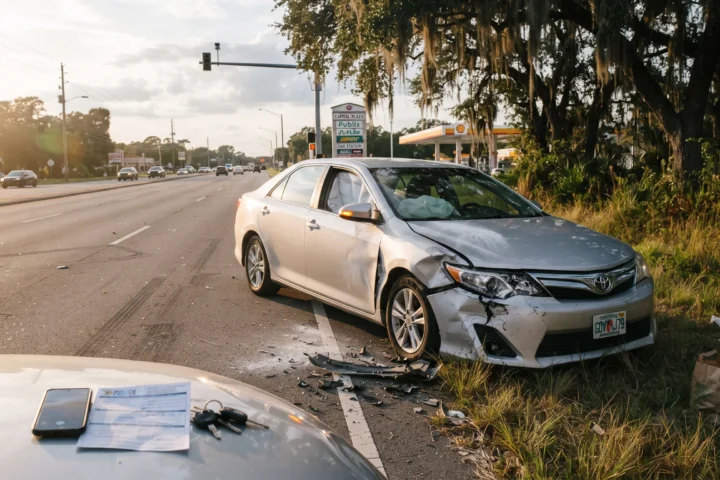
Photograph the vehicles, scene, and injuries if you can. Keep tow, repair, and property damage records. Provide your lawyer any texts, emails, or app data related to the trip, delivery timing, or employer communications.
Avoid recorded statements without counsel
Insurers are trained to elicit comments that reduce payouts. Direct all communications to your attorney to avoid inadvertent admissions or gaps the defense can later weaponize.
Engage counsel early
Early involvement allows your lawyer to secure black-box data, stop spoliation, and shape the narrative before the defense does. It also relieves you of administrative burdens so you can focus on recovery.
Choosing the Right Advocate
Experience with commercial vehicle litigation
Look for counsel with specific trucking case experience, knowledge of FMCSA rules, and a history of working with reconstruction and safety experts. Ask about prior results, resources, and trial readiness.
Communication and compassion
You deserve clear updates, practical guidance, and a team that understands the real-world impact of your injuries. A client-centered approach leads to better case development and decision-making.
Working with a trusted Virginia truck accident lawyer gives you access to the investigative tools, expert network, and litigation strength needed to hold negligent parties accountable and to pursue the full value of your claim.
Conclusion
Truck collisions unleash a cascade of challenges—medical, financial, and legal. Federal safety rules, multi-party liability, and aggressive insurance defenses make these cases fundamentally different from ordinary car crashes. With an experienced Virginia attorney leading a prompt investigation, preserving critical evidence, and advancing a comprehensive damages case, you can level the playing field, protect your rights, and pursue the compensation necessary to rebuild your life.
If you’re recovering from a truck crash, focus on your health and take the legal journey with a team that knows the route: document thoroughly, act promptly, and let your lawyer drive the strategy grounded in FMCSA standards, Virginia law, and trial-tested advocacy.