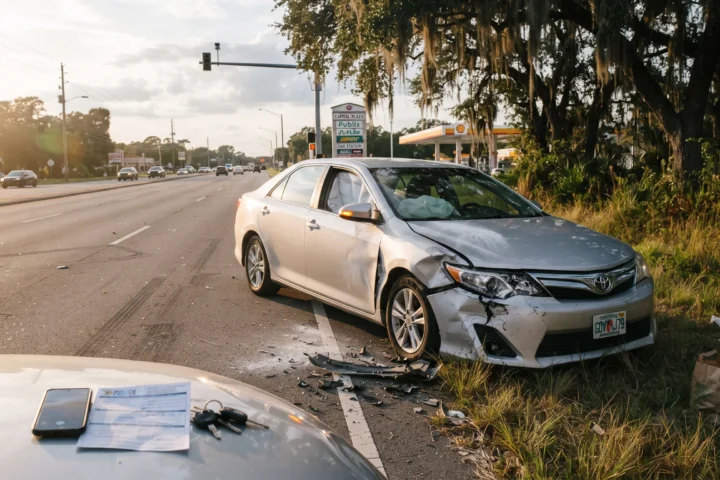
Accidents on Calgary roads keep putting drivers and pedestrians at risk, with numbers from 2024 showing more deaths than in recent years. Police reports point to 29 fatal vehicle collisions that year, the most in a decade, along with 2,908 collisions that caused injuries.
Calgary’s Traffic Safety Crisis: The Numbers Tell the Story
~29K-45K
Total Collisions
⚠️
13 pedestrian deaths included
1,931
National Fatalities
The data from 2024 lays out clear problems on Calgary streets. Deaths from collisions went up sharply, and pedestrians ended up with a big share of the worst outcomes.
- Fatal collisions in 2024: 29 cases, the highest count since 2014.
- Pedestrian deaths: 13 out of the 29 total traffic deaths, meaning nearly half involved people walking.
- Injury collisions: 2,908 incidents that led to medical care or hospital stays.
- Daily impact: About 8 crashes causing injuries happen every day in the city.
How Calgary Compares Within Alberta
Alberta’s collision numbers from 2023 give context to what’s going on in Calgary as part of the province’s urban issues. The whole province had 119,070 reportable collisions that year, which was up 1.7% from 2022.
- Provincial fatal collisions: 272 cases that caused 297 deaths, up 11.2% from the year before.
- Major injury collisions: 2,164 incidents that hurt 2,669 people badly, an 8.0% increase over 2022.
- Urban vs rural patterns: Places like Calgary handle 61.1% of the major injuries, while rural spots see 65.4% of the deaths.
- Calgary’s share: Based on how many people live there, the city probably accounts for 40-50% of Alberta’s urban collisions.
COVID Impact and Recovery Patterns
The pandemic shook up traffic in ways that highlight safety gaps. Calgary’s 2020 numbers show that even with fewer cars on the road, serious accidents didn’t drop as much as expected.
- Total collisions dropped: 29,112 crashes in 2020, down 35% from 44,950 in 2019.
- Fatal collisions increased: 24 deaths in 2020, up 26% from 19 in 2019 even with lighter traffic.
- Injury collisions fell: 1,697 crashes led to injuries, down 29% from 2,377 in 2019.
- Pedestrian fatalities rose: Deaths went up to 4 in 2020, while pedestrian collisions dropped 31% to 283 cases.
This points to drivers taking more chances, like going faster or driving under the influence, when roads were emptier.
Alberta’s National Standing: Above Average Risk
Alberta stands out for higher-than-average traffic deaths and injuries, putting people in Calgary at more risk than in many other parts of Canada.
- Alberta fatality rate: 6.4 deaths per 100,000 people, compared to the national 4.9.
- Alberta injury rate: 379.9 injuries per 100,000 people, well above Canada’s 296.5 average.
- National comparison: Canada had 1,964 motor vehicle fatalities in 2023, up 1.7% from 1,931 in 2022.
- Total national injuries: 118,838 people hurt in traffic accidents across the country in 2023.
Contributing Factors Behind Calgary Accidents
Looking at Alberta’s collision details shows behaviors and conditions that feed into Calgary’s problems.
- Impaired driving involvement: 2.1% of injury collisions and 7.6% of fatal ones tie back to alcohol or drugs.
- Unsafe following distances: Following too close plays into 30% of collisions that cause casualties across Alberta.
- Reporting limitations: Police data might miss some minor cases, so real injury counts could run higher.
- Seasonal factors: Snowy roads and construction areas add extra dangers that don’t always show up fully in yearly totals.
Workplace Injury Patterns: Beyond Traffic Accidents
Injuries in Calgary aren’t just from roads; workplaces add a lot of cases, tracked through Alberta’s Workers’ Compensation Board.
Top Injury-Prone Occupations in 2023
- Nurse aides and orderlies: 6.0% of disabling injury claims, down from 8.2% in 2022.
- Material handlers: 4.5% of workers’ compensation claims.
- Retail salespersons: 4.3% of workplace injury cases.
- Common injury types: Back strains make up 22-26% of cases, often from pushing too hard or handling objects and people.
Data Sources and Reliability
The stats on accidents in Calgary come from solid places that offer different views on injury patterns.
- Calgary Police Service: Puts out quarterly and yearly reports on collisions, breaking them down by spot and how bad they were.
- Government of Alberta: Yearly Traffic Collision Statistics reports give the big picture for the province and year-over-year looks.
- Transport Canada: The National Collision Database follows police reports on fatal and injury collisions going back to 1999.
- Statistics Canada: Covers wider data on deaths and injuries, though not always focused on collisions in specific cities.
What This Means for Calgary Injury Victims
With accident numbers climbing in Calgary, more people end up needing legal help for personal injury cases. The jump in fatal collisions during 2024, plus steady injury counts, leaves families dealing with doctor bills, missed pay, and ongoing health problems.
Pedestrians take on extra danger, with close to half of traffic deaths hitting walkers. That setup raises tough questions about who’s at fault in intersections or crosswalks, which matters a lot for claims.
The numbers make it clear that accidents aren’t dropping off, even with pushes for better safety and road fixes. Anyone hurt badly in these crashes should get a handle on how common their situation is and what legal steps can help get compensation.
Why Legal Representation Matters
A knowledgeable personal injury lawyer can:
- Evaluate your case and determine fault
- Help assess the full value of your claim
- Negotiate with insurers
- Represent you in court if necessary
Professional representation significantly increases the likelihood of receiving fair compensation. If you’re seeking car accident legal services Calgary, it’s important to choose a firm with a strong track record and a client-focused approach.
Post Views: 427

 Robert P. Preszler Accident Lawyer Canada